

Vzpomínáme na Sama Neilla. Ve svých memoárech zachytil humor, nejistotu i chuť žít
Pro několik generací diváků zůstane především paleontologem Alanem...



Kniha ( měkká vazba )


Most of the women who ever lived left no trace of their existence on the record of history. Sixteenth- and seventeenth-century women of the middling and lower levels of society left no letters or diaries in which they expressed what they felt or thought. Criminal courts and magistrates kept few records of their testimonies, and no… Přejít na celý popis

5.0 z 5 hvězdiček
Voucher
5.0 z 5 hvězdiček
Voucher
5.0 z 5 hvězdiček
Voucher
5.0 z 5 hvězdiček
VoucherMost of the women who ever lived left no trace of their existence on the record of history. Sixteenth- and seventeenth-century women of the middling and lower levels of society left no letters or diaries in which they expressed what they felt or thought. Criminal courts and magistrates kept few records of their testimonies, and no ecclesiastical court records are known to survive for the French Roman Catholic Church between 1540 and 1667. For the most part, we cannot hear the voices of ordinary French women - but this study allows us to do so.Based on the evidence of 1,200 cases brought before the consistories - or moral courts - of the Huguenot church of Languedoc between 1561 and 1615, The Voices of Nimes allows us to access ordinary women''s everyday lives: their speech, behaviour, and attitudes relating to love, faith, and marriage, as well as friendship and sex. Women appeared frequently before the consistory because one of the chief functions of moral discipline was the regulation of sexuality, and women were thought to be primarily responsible for sexual sin. This means that the registers include over a thousand testimonies by and about women, most of whom left no other record to posterity.Women also featured so prominently before the consistories because of an ironic, unintended consequence of the consistorial system: it empowered women. Women quickly learnt how to use the consistory: they denounced those who abused them, they deployed the consistory to force men to honour their promises, and they started rumours they knew would be followed up by the elders. The registers therefore offer unrivalled evidence of women''s agency, in this intensely patriarchal society, in a range of different contexts, such as their enjoyment of their sexuality, choice of marriage partners, or idiosyncratic spiritual engagement. The consistorial registers, therefore, let us see how independent, self-determining, and vocal women could be in an age when they had limited legal rights, little official power, and few prospects. As a result, this book suggests we need to reconceptualize female power: women''s power was not just hidden, manipulative, and devious, but also far more public than historians have previously recognized.
0.0 z 5 0 hodnocení čtenářů
0× 5 hvězdiček 0× 4 hvězdičky 0× 3 hvězdičky 0× 2 hvězdičky 0× 1 hvezdička
Získejte přehled o vývoji ceny za posledních 60 dní.
Pro několik generací diváků zůstane především paleontologem Alanem...

Slunce svítí, prázdniny jsou v plném proudu a spousta z nás si dopřává...

Pokud vám seriál Heated Rivalry (Spalující rivalita) nedal spát a zhlédli...

Život Abby dosud nebyl takový, jaký si představovala. Teprve krátce před...

Taky jste už určitě někdy zažili „reading slump“, neboli situaci, kdy...

Tahle kniha se ke mně původně dostala jen proto, abych ji předala někomu z...

Pokud nevíte, zda sáhnout po „nové Lukáškové“, váš osobní...

Nestihli jste naše žhavé literární odpoledne na Masarykově nádraží, nebo...
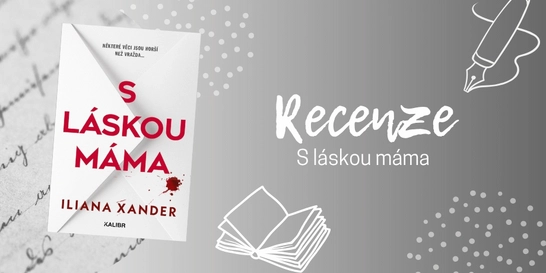
Po dočtení poslední knihy, která byla na můj vkus až příliš...
Král Nezemě si přichází pro další dívku a nic ho nezastaví
Temná verze Petra Pana plná nebezpečí, vášně a vztahů, které bolí i přitahují.

Mohlo by vás zajímat
Nová gotická dark romance
Mrtví živé učí. Anatomie hříchu v rukou nebezpečně přitažlivého patologa
Mohlo by vás zajímat
Zběsilá postapo jízda pokračuje
Hřbitov není místo pro slabé povahy ani pro romantické procházky za soumraku. Postapo nářez plný mutací, šílenství a bohů, kteří možná nikdy neměli být probuzeni.
Mohlo by vás zajímat
Hola, amigo!
Seznamte se s Eliškou, Hugem a sovou Listillo – a objevte španělštinu s úsměvem.
Mohlo by vás zajímat
Připravený na rychlé tahy tužkou, uhlem, rudkou i pastelem
Skicák speciálně navržený speciálně navržen pro studenty umění, který potěší všechny umělecké duše.
Mohlo by vás zajímat
Od obyčejné smyčky k námořnickým trikům
Na tábor, skautskou výpravu, chatu i cestování. Sada Uzlík vás naučí vázat uzly od těch nejjednodušších až po zapeklité námořnické specialitky.
Mohlo by vás zajímat
Barevné ptačí balancování
Barvy, textury i zvuky společně lákají děti k objevování znovu a znovu.
Mohlo by vás zajímat
Kapitola u bazénu? Klidně.
Vodotěsné provedení vám dovolí číst u vody, na pláži i ve vaně bez zbytečných obav.
Každý měsíc společně přečteme tisíce knih







Tento web je chráněn službou reCAPTCHA a platí pro něj Zásady ochrany soukromí a Smluvní podmínky. | © 2001–2026 DOBROVSKÝ s.r.o. Všechna práva vyhrazena.






 KnihyDobrovsky.cz
 knihydobrovsky
 @knihydobrovskycz
 @knihydobrovsky