
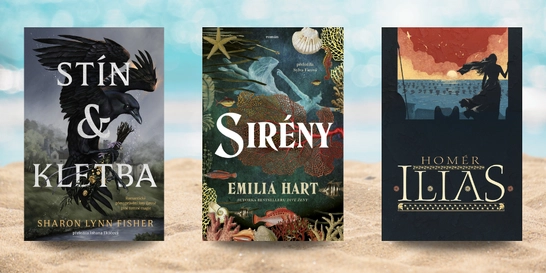
6 červencových novinek, které si přibalit na dovolenou
Slunce svítí, prázdniny jsou v plném proudu a spousta z nás si dopřává...



Kniha ( pevná vazba )
825 Kč s DPH
Jsme transparentní


On 19 December 1938, Otto Hahn, working at the Kaiser Wilhelm Institute for Chemistry in Berlin, conducted an experiment the results of which baffled him. It took his migr collaborator Lise Meitner to explain that he had split an atom of uranium, which at the time seemed to defy all known laws of physics. When Neils Bohr took this news to… Přejít na celý popis

5.0 z 5 hvězdiček
Voucher
5.0 z 5 hvězdiček
Voucher
5.0 z 5 hvězdiček
Voucher
5.0 z 5 hvězdiček
Voucher
On 19 December 1938, Otto Hahn, working at the Kaiser Wilhelm Institute for Chemistry in Berlin, conducted an experiment the results of which baffled him. It took his migr collaborator Lise Meitner to explain that he had split an atom of uranium, which at the time seemed to defy all known laws of physics. When Neils Bohr took this news to the United States it became clear to scientists there that these results opened a completely new and, for some, horrifying possibility of energy production that could be used for both peaceful and military purposes. Scientists in Germany, France, Britain and the US began to delve deeper into the implications. But it was the British government that was the first to explicitly describe how the splitting of the atom might be utilised to create a practical weapon of fearsome power. France, by then, had been occupied by the Germans and most of their nuclear scientists had fled to Britain. For their part, the Germans, who for a time were at the very forefront of nuclear research, had weakened their own scientific ranks by hounding many of their best scientists who had fled persecution under the draconian Nazi racial laws. They still retained, however, possibly the ablest nuclear scientist of them all in Werner Heisenberg who set about developing his own programme for nuclear power. British scientists made extensive progress before realising that translating their laboratory results into the vast industrial enterprise required to build a bomb was way beyond the nation's stretched resources. The government agreed to hand over all the UK's research findings to America in return for a share of the spoils. The United States, for its part, was impressed with British results and invested enormous sums of money and resources into what became known as the Manhattan Project in a concerted effort to build a bomb before the end of the war. For much of the war the Soviets showed little enthusiasm for the sort of investment required to build their own bomb. However, with an eye to the future they established an extensive espionage network both in Britain and America. Following the German surrender there was still the problem of Japan, and the race continued to develop a working bomb to accelerate the end of the war, both to save Allied lives and to prevent Soviet expansion into northern China and the Japanese mainland. It was a race that the Unites States won. It was also a race that ushered in a new Cold War.
0.0 z 5 0 hodnocení čtenářů
0× 5 hvězdiček 0× 4 hvězdičky 0× 3 hvězdičky 0× 2 hvězdičky 0× 1 hvezdička
Získejte přehled o vývoji ceny za posledních 60 dní.
Slunce svítí, prázdniny jsou v plném proudu a spousta z nás si dopřává...

Pokud vám seriál Heated Rivalry (Spalující rivalita) nedal spát a zhlédli...
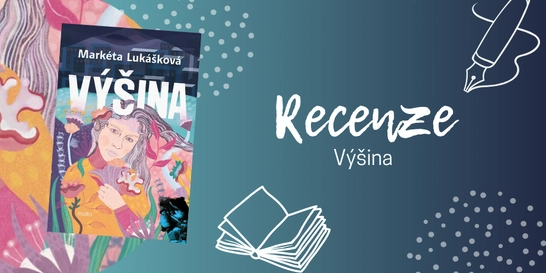
Pokud nevíte, zda sáhnout po „nové Lukáškové“, váš osobní...

Tahle kniha se ke mně původně dostala jen proto, abych ji předala někomu z...

Nestihli jste naše žhavé literární odpoledne na Masarykově nádraží, nebo...
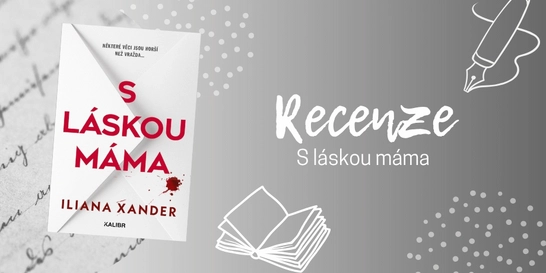
Po dočtení poslední knihy, která byla na můj vkus až příliš...
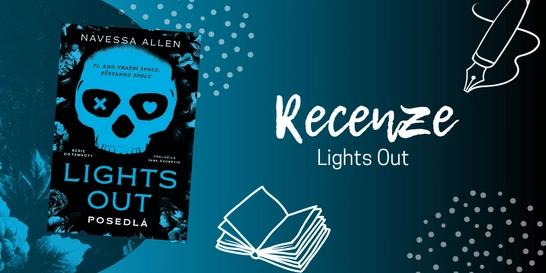
Už jste také někdy spadli do pasti algoritmu sociálních sítí? Znáte to....
Ne vždycky má člověk chuť vyrážet na nákup do obchodního centra. Někdy...
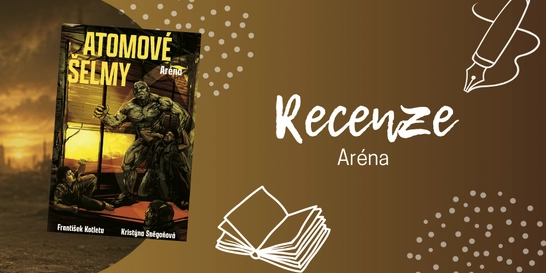
Pokud jste unavení ze všech těch varování, že světu hrozí atomová válka...
Stromová města, rituální vraždy a zakázaná vášeň
Nová romantasy Šárky Przewozné vás vtáhne do světa bohů, proroctví a dávných lží, kde jediná dívka může změnit vše, čemu její rod po generace věřil.

Mohlo by vás zajímat
Caraval vrcholí!
Tella, Scarlett i Legenda stojí před rozhodnutími, která změní jejich osudy. Ve hře je láska, moc i budoucnost celého království.
Mohlo by vás zajímat
Tři ženy, pět století, jedno tajemství...
Dechberoucí příběh o ženské síle, odhodlání a hlubokém spojení s přírodou.
Mohlo by vás zajímat
Matika, co počítá s budoucností.
Učebnice, která propojuje čísla, logiku i technologie. Protože i vzorce jdou s dobou.
Mohlo by vás zajímat
Modrá klasika do každé aktovky
Žádné zbytečné kouzlení, jen poctivý sešit pro každodenní psaní.
Mohlo by vás zajímat
UNO, tvrdší než kdy předtím
Nelítostné karty, brutální postihy, škodolibá radost a taktické bitvy!
Mohlo by vás zajímat
Mohlo by vás zajímat
Malý kousek galerie na knížky, drobnosti i menší nákup
Plátěná taška Paperblanks Natsu díky pevné bavlněné látce unese až 7 kg.
Každý měsíc společně přečteme tisíce knih





Tento web je chráněn službou reCAPTCHA a platí pro něj Zásady ochrany soukromí a Smluvní podmínky. | © 2001–2026 DOBROVSKÝ s.r.o. Všechna práva vyhrazena.






 KnihyDobrovsky.cz
 knihydobrovsky
 @knihydobrovskycz
 @knihydobrovsky