
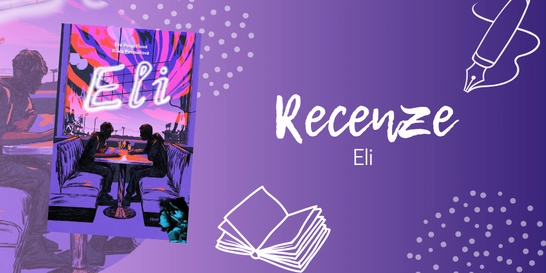
Eli: queer romance plná bolesti i ryzí lásky | RECENZE
Tahle kniha se ke mně původně dostala jen proto, abych ji předala někomu z...



Kniha ( pevná vazba )
660 Kč s DPH
Jsme transparentní


Při zaslání zboží balíčkem
K nákupu nad 1699 Kč dárek zdarma v hodnotě 198 Kč
Stalinova baletka - Příběh odvahy a boje o přežití v sovětském Rusku
They were not your typical World War II soldiers. Most were not in particularly good physical shape, and many had trouble handling their weapons. They differed widely in their ages, politics, and skills. Many worked in academia, media, and the arts. They were a strange mix of Americans and foreign nationals, immigrants, and refugees, linked by… Přejít na celý popis

5.0 z 5 hvězdiček
Voucher
5.0 z 5 hvězdiček
Voucher
5.0 z 5 hvězdiček
Voucher
5.0 z 5 hvězdiček
Voucher
They were not your typical World War II soldiers. Most were not in particularly good physical shape, and many had trouble handling their weapons. They differed widely in their ages, politics, and skills. Many worked in academia, media, and the arts. They were a strange mix of Americans and foreign nationals, immigrants, and refugees, linked by their language skills, knowledge of Europe, and a desire to defeat the Axis. During the war, the U.S. Army trained them in psychological warfare at a secret camp on the Gettysburg battlefield and then sent them to Europe. They became known as “Psycho Boys,” a group of soldiers who have never received their due respect. In this book Beverley Driver Eddy, author of Ritchie Boy Secrets, tells their rarely heard story and argues for their importance to the Allied war effort.
At Gettysburg the Psycho Boys were taught the various skills that would be necessary in the European campaign from D-Day onward: prisoner and civilian interrogation, broadcasting, loudspeaker appeals, leaflet and newspaper production, and technical support. The 800 men were divided into four mobile radio broadcasting companies and sent to Europe to land on D-Day, fight in Normandy and at the Bulge, and participate in the conquest of Germany and the liberation of the concentration camps. Some of the soldiers operated well out in front of Allied lines and – in German – called on enemy soldiers to surrender. Others worked behind the lines, printing propaganda leaflets and making radio broadcasts.
Drawing on company histories, memoirs, and veteran interviews, this book traces the history of the 2nd, 3rd, 4th, and 5th Mobile Radio Broadcasting Companies and the individuals who served in them. For far too long, these soldiers were maligned as mere “paragraph troopers,” because they fought with words rather than bullets. As Eddy shows, the Psycho Boys hastened victory and saved countless lives by encouraging enemy soldiers to desert or surrender. Their story is an important and fascinating contribution to World War II scholarship.
0.0 z 5 0 hodnocení čtenářů
0× 5 hvězdiček 0× 4 hvězdičky 0× 3 hvězdičky 0× 2 hvězdičky 0× 1 hvezdička
Získejte přehled o vývoji ceny za posledních 60 dní.
Tahle kniha se ke mně původně dostala jen proto, abych ji předala někomu z...

Nestihli jste naše žhavé literární odpoledne na Masarykově nádraží, nebo...
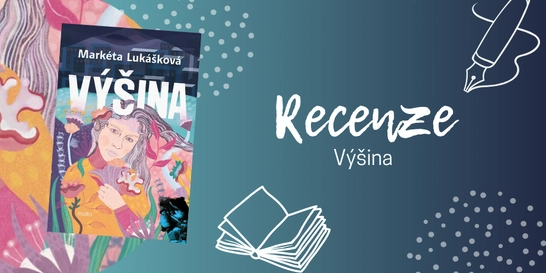
Pokud nevíte, zda sáhnout po „nové Lukáškové“, váš osobní...
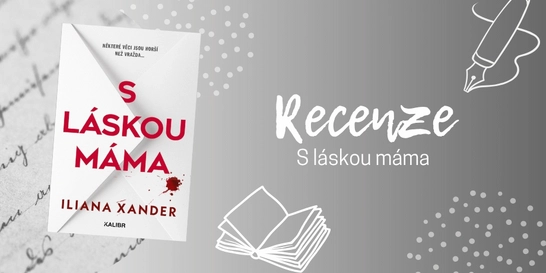
Po dočtení poslední knihy, která byla na můj vkus až příliš...
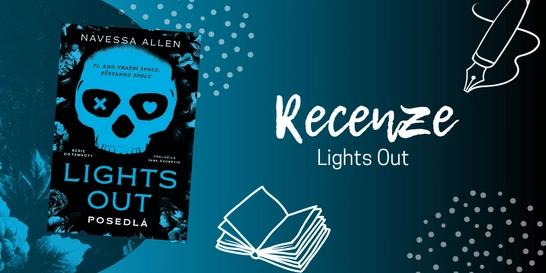
Už jste také někdy spadli do pasti algoritmu sociálních sítí? Znáte to....
Ne vždycky má člověk chuť vyrážet na nákup do obchodního centra. Někdy...
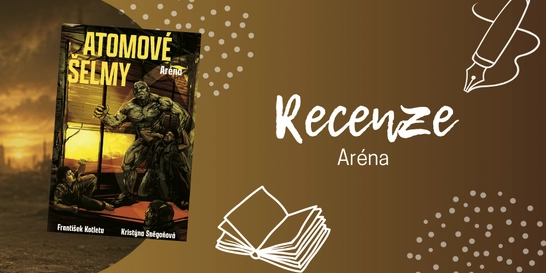
Pokud jste unavení ze všech těch varování, že světu hrozí atomová válka...

Od letošního CinemaConu už uběhlo pár týdnů, ale moje nadšení z...
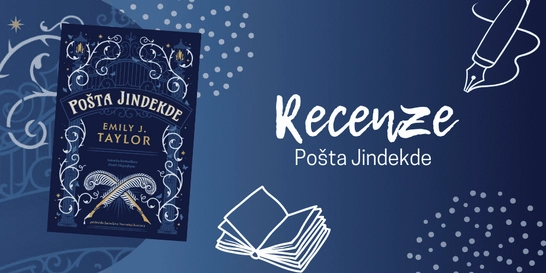
Po knize Pošta Jindekde jsem sáhla hlavně proto, že mám tvorbu Emily J....
660 Kč s DPH
Jsme transparentní
Elitní baletka. Záchranář, který ji kdysi ztratil. A city, které nezmizely.
Allie celý život bojovala o dokonalost, dokud její kariéru neohrozilo vážné zranění. A právě ve chvíli, kdy se jí začíná rozpadat svět, znovu vstoupí do jejího života Hudson.

Mohlo by vás zajímat
První detektivka od královny české fantastiky
Příběh, jaký by napsala Agatha Christie, kdyby chtěla, aby byl její hrdina Čech s krizí středního věku.
Mohlo by vás zajímat
Zběsilá postapo jízda pokračuje
Hřbitov není místo pro slabé povahy ani pro romantické procházky za soumraku. Postapo nářez plný mutací, šílenství a bohů, kteří možná nikdy neměli být probuzeni.
Mohlo by vás zajímat
Parkuj a vyraž!
Všechny Hot Wheels® pohromadě a připravené na akční drift se stylovou garáží.
Mohlo by vás zajímat
Mohlo by vás zajímat
Písmo podle vašich očí
Velikost textu i nastavení obrazu si snadno upravíte podle sebe. Kindle tak zpříjemní čtení doma, venku i večer, kdy klasická kniha potřebuje lampičku.
Mohlo by vás zajímat
Batůžek s psím srdcem
Ať už míří do školy, na výlet nebo za kamarády, oblíbený psí hrdina Gump bude dětem dělat společnost na každém kroku.
Každý měsíc společně přečteme tisíce knih






Tento web je chráněn službou reCAPTCHA a platí pro něj Zásady ochrany soukromí a Smluvní podmínky. | © 2001–2026 DOBROVSKÝ s.r.o. Všechna práva vyhrazena.






 KnihyDobrovsky.cz
 knihydobrovsky
 @knihydobrovskycz
 @knihydobrovsky