
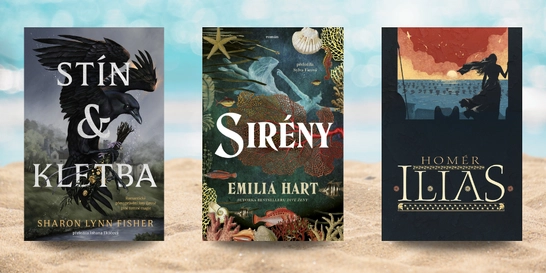
6 červencových novinek, které si přibalit na dovolenou
Slunce svítí, prázdniny jsou v plném proudu a spousta z nás si dopřává...



Kniha ( pevná vazba )
825 Kč s DPH
Jsme transparentní


The First World War had seen the mechanisation of warfare. Battle fronts had become immobilised in the grip of machine-guns and heavy artillery, leading to slaughter on an unprecedented scale. The end of the war saw exhausted governments extricating themselves from the carnage, but some leaders were concerned that, sooner or later, another… Přejít na celý popis

5.0 z 5 hvězdiček
Voucher
5.0 z 5 hvězdiček
Voucher
5.0 z 5 hvězdiček
Voucher
5.0 z 5 hvězdiček
Voucher
The First World War had seen the mechanisation of warfare. Battle fronts had become immobilised in the grip of machine-guns and heavy artillery, leading to slaughter on an unprecedented scale. The end of the war saw exhausted governments extricating themselves from the carnage, but some leaders were concerned that, sooner or later, another major war would follow. As France's Marshal Foch put it, the Treaty of Versailles was only a twenty-year truce'. The overriding concern was to find ways in future of avoiding the kind of static battle fronts that had consumed so many in such futile efforts. Military aviation was seen as the one great innovation that had the potential to do this by revolutionising warfare. It would not only augment the effectiveness of ground forces in a tactical role, but it also had the means of reaching out strategically beyond the battlefronts to strike at the enemy's trade, supplies, communications and industrial production. All through the war, military aviation had been firmly under the control of army commanders but there was soon a fierce debate over the way it should develop. The development of an air doctrine' within each of the major European powers was fraught with difficulty as the nascent air arms struggled, with varying degrees of success, to free themselves from army control to find a new, independent identity. This book examines the way in which these air arms competed for prominence within the military structures of six major European nations - Germany, Britain, France, Soviet Union, Poland and Italy - with different resources, ambitions and philosophies, in the years from the beginning of aviation right up to the start of the Second World War.
0.0 z 5 0 hodnocení čtenářů
0× 5 hvězdiček 0× 4 hvězdičky 0× 3 hvězdičky 0× 2 hvězdičky 0× 1 hvezdička
Získejte přehled o vývoji ceny za posledních 60 dní.
Slunce svítí, prázdniny jsou v plném proudu a spousta z nás si dopřává...

Pokud vám seriál Heated Rivalry (Spalující rivalita) nedal spát a zhlédli...
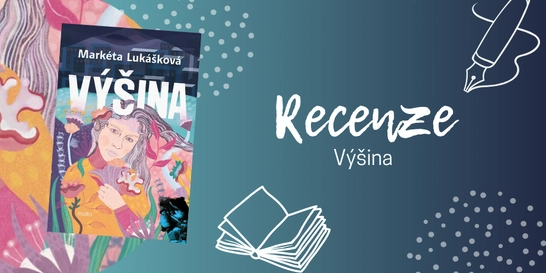
Pokud nevíte, zda sáhnout po „nové Lukáškové“, váš osobní...

Tahle kniha se ke mně původně dostala jen proto, abych ji předala někomu z...
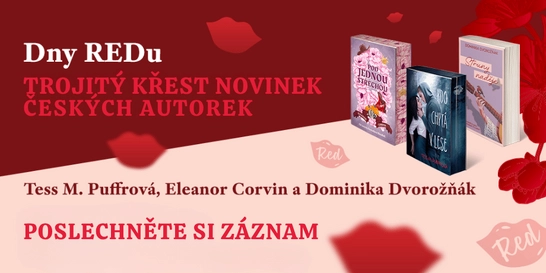
Nestihli jste naše žhavé literární odpoledne na Masarykově nádraží, nebo...
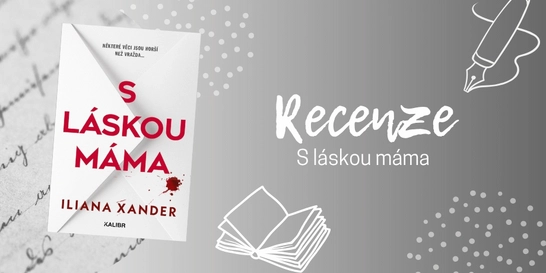
Po dočtení poslední knihy, která byla na můj vkus až příliš...

Už jste také někdy spadli do pasti algoritmu sociálních sítí? Znáte to....
Ne vždycky má člověk chuť vyrážet na nákup do obchodního centra. Někdy...
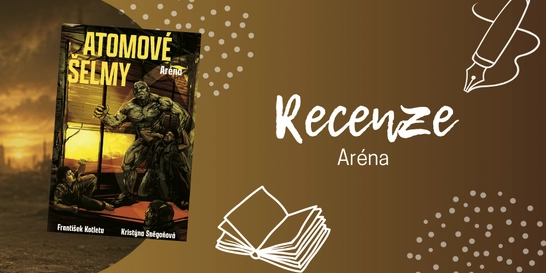
Pokud jste unavení ze všech těch varování, že světu hrozí atomová válka...
Léto na ranči měl být útěk od problémů..
Místo klidu ji čeká přitažlivý šerif, stará tajemství a pocit, že ji někdo sleduje.

Mohlo by vás zajímat
Zběsilá postapo jízda pokračuje
Hřbitov není místo pro slabé povahy ani pro romantické procházky za soumraku. Postapo nářez plný mutací, šílenství a bohů, kteří možná nikdy neměli být probuzeni.
Mohlo by vás zajímat
Zběsilá postapo jízda pokračuje
Hřbitov není místo pro slabé povahy ani pro romantické procházky za soumraku. Postapo nářez plný mutací, šílenství a bohů, kteří možná nikdy neměli být probuzeni.
Mohlo by vás zajímat
Učebnice, co drží krok s dobou.
Nová generace učebnic, která jede podle nejnovějšího RVP, ne podle Windows 95.
Mohlo by vás zajímat
Modrá klasika do každé aktovky
Žádné zbytečné kouzlení, jen poctivý sešit pro každodenní psaní.
Mohlo by vás zajímat
UNO, tvrdší než kdy předtím
Nelítostné karty, brutální postihy, škodolibá radost a taktické bitvy!
Mohlo by vás zajímat
Mohlo by vás zajímat
Barevná zábava pro malé umělce
Ideální aktivita na klidné odpoledne, deštivý den nebo kreativní chvilku bez obrazovek.
Každý měsíc společně přečteme tisíce knih






Tento web je chráněn službou reCAPTCHA a platí pro něj Zásady ochrany soukromí a Smluvní podmínky. | © 2001–2026 DOBROVSKÝ s.r.o. Všechna práva vyhrazena.






 KnihyDobrovsky.cz
 knihydobrovsky
 @knihydobrovskycz
 @knihydobrovsky