

Vzpomínáme na Sama Neilla. Ve svých memoárech zachytil humor, nejistotu i chuť žít
Pro několik generací diváků zůstane především paleontologem Alanem...



Kniha ( měkká vazba )


The word amarantus, which gives name to this publication, comes from the Greek aμάÏανθος, and describes a flower that never wilts. This plant is still used to prepare ixiptlahuan, which are anthropomorphic and zoomorphic figures that are ritually consumed by some indigenous peoples in Mexico. The amaranth flower represents the… Přejít na celý popis

5.0 z 5 hvězdiček
Voucher
5.0 z 5 hvězdiček
Voucher
5.0 z 5 hvězdiček
Voucher
5.0 z 5 hvězdiček
Voucher
The word amarantus, which gives name to this publication, comes from the Greek aμάÏανθος, and describes a flower that never wilts. This plant is still used to prepare ixiptlahuan, which are anthropomorphic and zoomorphic figures that are ritually consumed by some indigenous peoples in Mexico. The amaranth flower represents the persistence of the “uncomfortable objects†that Castillo Deball makes visible in her historical itineraries and approximations, and that keep speaking to us in the present.
Ever since her early works, the artist has explored how chance — a product of the passing of time, erosion, fragmentation, and human intervention, among other factors — determines, to a large extent, the way we learn about the world and the narratives we create. This interest has led her to investigate the history of certain artifacts and their vicissitudes, reproductions, appropriations, and disappearances. Her formal strategies tend to reflect an inclination toward methodologies used by archaeologists to “trap†their findings. The resulting objects, or substitute images, conceptually approach the ancient Nahua notion of ixiptla, which can be interpreted as representation, image, and substitute, but also as skin. This concept is indispensable for approaching many of Castillo Deball’s projects from the past decade.
This publication features some of the artist’s long-term collaborators and interlocutors, including: Tatiana Falcón, with whom she made The Painter’s Garden; the organization Cooperación Comunitaria for The Double Life of the Azoyú Codex; Diana Magaloni around the term ixiptla and In Tilli in Tlapalli; Hubert Matiúwà a, through poems from his book Skin People; Barbara Mundy on cartography and the artist’s floor pieces; Jennifer Reynolds-Kaye on Alfred Maudslay; and Catalina Lozano about the history of women who have practiced archaeology in Mexico. The publication also includes the essay A Dystopic Mesoamerica by Yásnaya Elena and an excerpt of Emiliano Monge’s novel Weaving Darkness.
0.0 z 5 0 hodnocení čtenářů
0× 5 hvězdiček 0× 4 hvězdičky 0× 3 hvězdičky 0× 2 hvězdičky 0× 1 hvezdička
Získejte přehled o vývoji ceny za posledních 60 dní.
Pro několik generací diváků zůstane především paleontologem Alanem...
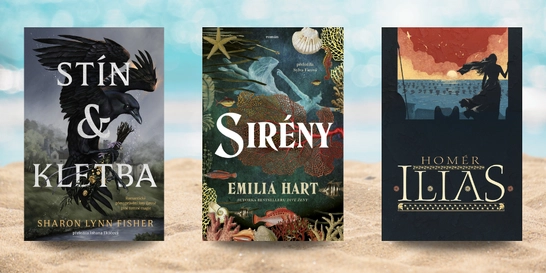
Slunce svítí, prázdniny jsou v plném proudu a spousta z nás si dopřává...

Pokud vám seriál Heated Rivalry (Spalující rivalita) nedal spát a zhlédli...

Život Abby dosud nebyl takový, jaký si představovala. Teprve krátce před...

Taky jste už určitě někdy zažili „reading slump“, neboli situaci, kdy...

Tahle kniha se ke mně původně dostala jen proto, abych ji předala někomu z...
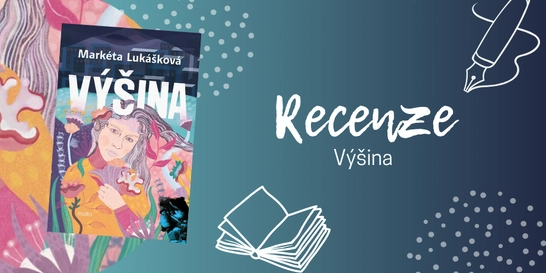
Pokud nevíte, zda sáhnout po „nové Lukáškové“, váš osobní...

Nestihli jste naše žhavé literární odpoledne na Masarykově nádraží, nebo...
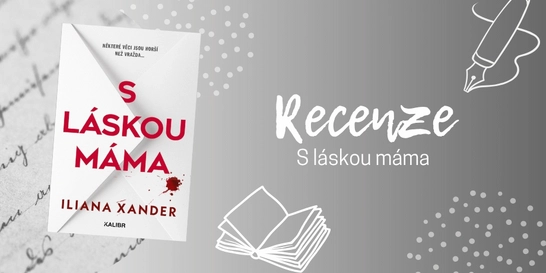
Po dočtení poslední knihy, která byla na můj vkus až příliš...
Zběsilá postapo jízda pokračuje
Hřbitov není místo pro slabé povahy ani pro romantické procházky za soumraku. Postapo nářez plný mutací, šílenství a bohů, kteří možná nikdy neměli být probuzeni.

Mohlo by vás zajímat
Nová gotická dark romance
Mrtví živé učí. Anatomie hříchu v rukou nebezpečně přitažlivého patologa
Mohlo by vás zajímat
Tři ženy, pět století, jedno tajemství...
Dechberoucí příběh o ženské síle, odhodlání a hlubokém spojení s přírodou.
Mohlo by vás zajímat
Od dopisu po tabulku
Publikace provede studenty úpravou dokumentů, elektronickou komunikací, druhy písemností i tvorbou tabulek. Praktický obsah pomůže pochopit, jak má vypadat dokument, který působí profesionálně.
Mohlo by vás zajímat
Modrá klasika do každé aktovky
Žádné zbytečné kouzlení, jen poctivý sešit pro každodenní psaní.
Mohlo by vás zajímat
Rychlejší než blesk!
Rozšiřte svou klasickou sadu o Speed Pack a dodejte vašemu UNO nový život.
Mohlo by vás zajímat
Královna oslavy!
Cleo září ve zlatém outfitu a přináší monstrózní narozeninovou radost. Přidejte ji do své sbírky Monster High a rozjeďte párty!
Mohlo by vás zajímat
Kapitola u bazénu? Klidně.
Vodotěsné provedení vám dovolí číst u vody, na pláži i ve vaně bez zbytečných obav.
Každý měsíc společně přečteme tisíce knih






Tento web je chráněn službou reCAPTCHA a platí pro něj Zásady ochrany soukromí a Smluvní podmínky. | © 2001–2026 DOBROVSKÝ s.r.o. Všechna práva vyhrazena.






 KnihyDobrovsky.cz
 knihydobrovsky
 @knihydobrovskycz
 @knihydobrovsky