

Eli: queer romance plná bolesti i ryzí lásky | RECENZE
Tahle kniha se ke mně původně dostala jen proto, abych ji předala někomu z...



Kniha ( měkká vazba )
561 Kč s DPH
Jsme transparentní


Při zaslání zboží balíčkem
K nákupu nad 1699 Kč dárek zdarma v hodnotě 198 Kč
Stalinova baletka - Příběh odvahy a boje o přežití v sovětském Rusku
Now in paperback.Euripides, the last of the three great tragedians of ancient Athens, reached the height of his renown during the disastrous Peloponnesian War, when democratic Athens was brought down by its own outsized ambitions. “Euripides,” the classicist Bernard Knox has written, “was born never to live in peace with himself and to prevent… Přejít na celý popis

5.0 z 5 hvězdiček
Voucher
5.0 z 5 hvězdiček
Voucher
5.0 z 5 hvězdiček
Voucher
5.0 z 5 hvězdiček
Voucher
Now in paperback.Euripides, the last of the three great tragedians of ancient Athens, reached the height of his renown during the disastrous Peloponnesian War, when democratic Athens was brought down by its own outsized ambitions. “Euripides,” the classicist Bernard Knox has written, “was born never to live in peace with himself and to prevent the rest of mankind from doing so.” His plays were shockers: he unmasked heroes, revealing them as foolish and savage, and he wrote about the powerless–women and children, slaves and barbarians–for whom tragedy was not so much exceptional as unending. Euripides’ plays rarely won first prize in the great democratic competitions of ancient Athens, but their combustible mixture of realism and extremism fascinated audiences throughout the Greek world. In the last days of the Peloponnesian War, Athenian prisoners held captive in far-off Sicily were said to have won their freedom by reciting snatches of Euripides’ latest tragedies.Four of those tragedies are presented here in new translations by the contemporary poet and classicist Anne Carson. They are Herakles, in which the hero swaggers home to destroy his own family; Hekabe, set after the Trojan War, in which Hektor’s widow takes vengeance on her Greek captors; Hippolytos, about love and the horror of love; and the strange tragic-comedy fable Alkestis, which tells of a husband who arranges for his wife to die in his place. The volume also contains brief introductions by Carson to each of the plays along with two remarkable framing essays: “Tragedy: A Curious Art Form” and “Why I Wrote Two Plays About Phaidra.”
0.0 z 5 0 hodnocení čtenářů
0× 5 hvězdiček 0× 4 hvězdičky 0× 3 hvězdičky 0× 2 hvězdičky 0× 1 hvezdička

Získejte přehled o vývoji ceny za posledních 60 dní.
Tahle kniha se ke mně původně dostala jen proto, abych ji předala někomu z...

Nestihli jste naše žhavé literární odpoledne na Masarykově nádraží, nebo...

Pokud nevíte, zda sáhnout po „nové Lukáškové“, váš osobní...
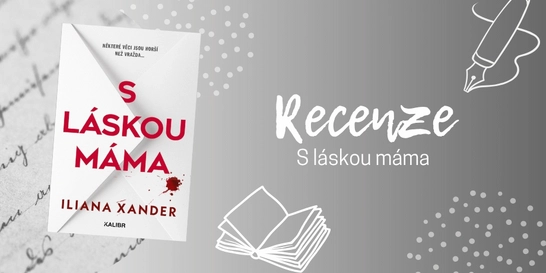
Po dočtení poslední knihy, která byla na můj vkus až příliš...

Už jste také někdy spadli do pasti algoritmu sociálních sítí? Znáte to....

Ne vždycky má člověk chuť vyrážet na nákup do obchodního centra. Někdy...

Pokud jste unavení ze všech těch varování, že světu hrozí atomová válka...

Od letošního CinemaConu už uběhlo pár týdnů, ale moje nadšení z...
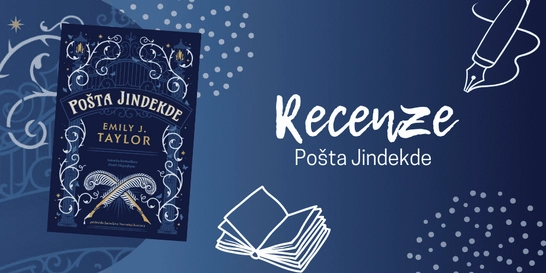
Po knize Pošta Jindekde jsem sáhla hlavně proto, že mám tvorbu Emily J....
Dvě ženy, dvě doby, jeden osud ukrytý v mlze
Starověká Británie zachvácená římským povstáním se prolíná s přítomností mladé Hanny, kterou po návratu domů začnou pronásledovat podivné vize i dávná tajemství.

Mohlo by vás zajímat
Dva sourozenci, jeden neúprosný svět.
Po zmizení matky zůstávají Kryštof a Ida sami a snaží se zvládnout každodenní život bez dospělých. Příběh o sourozeneckém poutu, dospívání a rozhodnutích, která přicházejí příliš brzy.
Mohlo by vás zajímat
Nová temná romance od Tess M. Puffrové
Měl to být nový začátek. Místo toho ji čeká nebezpečně přitažlivý student, stalking a les plný tajemství, která se neměla dostat ven.
Mohlo by vás zajímat
Kdo jako první vyloží všechny dílky?
Jednoduchá pravidla. Napínavá hra. Barevná bitva může začít!
Mohlo by vás zajímat
Mohlo by vás zajímat
První čajová ochutnávka pro malé rarášky
Jemné bylinné a ovocné směsi jsou připravené pro dětské chutě a malé čajové rituály. Stačí zalít, nechat vyluhovat, ochladit a čajová chvilka může začít.
Mohlo by vás zajímat
Ať víte, kdy je matika, keramika i posilovna
Rozvrhy, kroužky, poznámky i důležité termíny pěkně pohromadě. Praktický školní kalendář pomůže sladit povinnosti i volný čas bez zbytečného zmatku.
Každý měsíc společně přečteme tisíce knih







Tento web je chráněn službou reCAPTCHA a platí pro něj Zásady ochrany soukromí a Smluvní podmínky. | © 2001–2026 DOBROVSKÝ s.r.o. Všechna práva vyhrazena.






 KnihyDobrovsky.cz
 knihydobrovsky
 @knihydobrovskycz
 @knihydobrovsky