
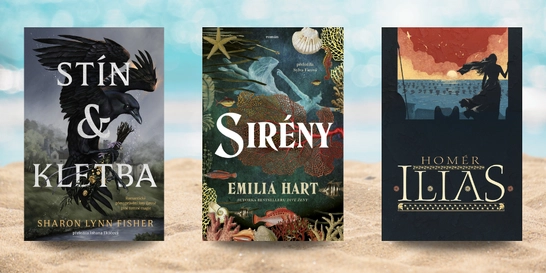
6 červencových novinek, které si přibalit na dovolenou
Slunce svítí, prázdniny jsou v plném proudu a spousta z nás si dopřává...



Kniha ( pevná vazba )


How a field built on the intellectual labor and expertise of women erased them The academic field of international relations presents its own history as largely a project of elite white men. And yet women played a prominent role in the creation of this new cross-disciplinary field. In Erased, Patricia Owens shows that, since its beginnings in… Přejít na celý popis

5.0 z 5 hvězdiček
Voucher
5.0 z 5 hvězdiček
Voucher
How a field built on the intellectual labor and expertise of women erased them The academic field of international relations presents its own history as largely a project of elite white men. And yet women played a prominent role in the creation of this new cross-disciplinary field. In Erased, Patricia Owens shows that, since its beginnings in the early twentieth century, international relations relied on the intellectual labour of women and their expertise on such subjects as empire and colonial administration, anticolonial organising, non-Western powers, and international organisations. Indeed, women were among the leading international thinkers of the era, shaping the development of the field as scholars, journalists, and public intellectuals—and as heterosexual spouses and intimate same-sex partners.Drawing on a wide range of archival sources, and weaving together personal, institutional, and intellectual narratives, Owens documents key moments and locations in the effort to forge international relations as a separate academic discipline in Britain. She finds that women’s ideas and influence were first marginalised and later devalued, ignored, and erased. Examining the roles played by some of the most important women thinkers in the field, including Margery Perham, Merze Tate, Eileen Power, Margaret Cleeve, Coral Bell, and Susan Strange, Owens traces the intellectual and institutional legacies of misogyny and racism. She argues that the creation of international relations was a highly gendered and racialised project that failed to understand plurality on a worldwide scale. Acknowledging this intellectual failure, and recovering the history of women in the field, points to possible sources for its renewal.
0.0 z 5 0 hodnocení čtenářů
0× 5 hvězdiček 0× 4 hvězdičky 0× 3 hvězdičky 0× 2 hvězdičky 0× 1 hvezdička
Získejte přehled o vývoji ceny za posledních 60 dní.
Slunce svítí, prázdniny jsou v plném proudu a spousta z nás si dopřává...

Pokud vám seriál Heated Rivalry (Spalující rivalita) nedal spát a zhlédli...
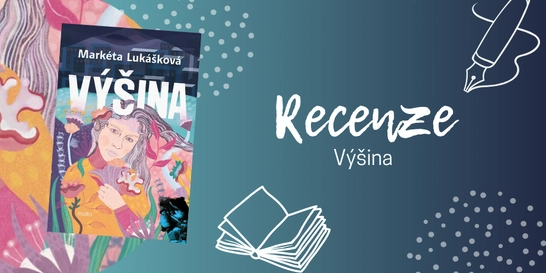
Pokud nevíte, zda sáhnout po „nové Lukáškové“, váš osobní...

Tahle kniha se ke mně původně dostala jen proto, abych ji předala někomu z...
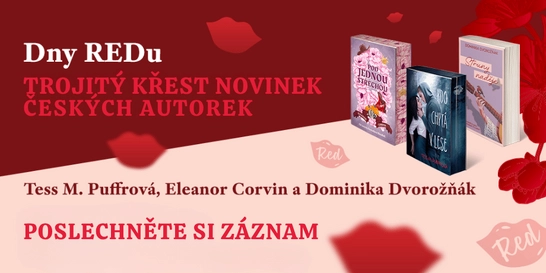
Nestihli jste naše žhavé literární odpoledne na Masarykově nádraží, nebo...
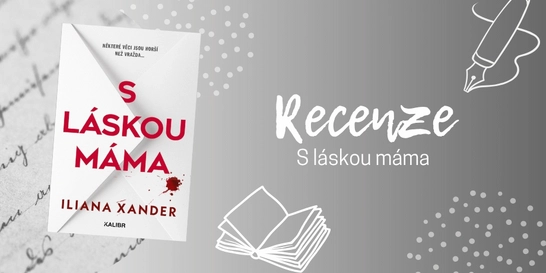
Po dočtení poslední knihy, která byla na můj vkus až příliš...
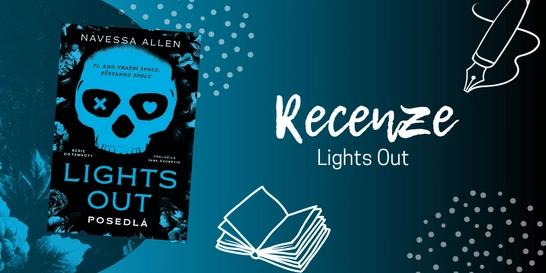
Už jste také někdy spadli do pasti algoritmu sociálních sítí? Znáte to....
Ne vždycky má člověk chuť vyrážet na nákup do obchodního centra. Někdy...
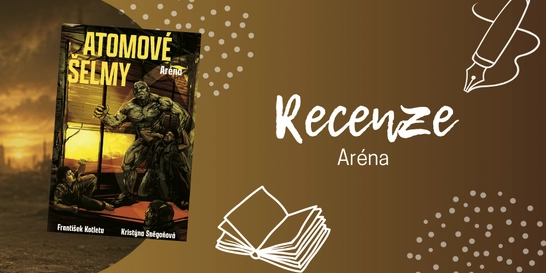
Pokud jste unavení ze všech těch varování, že světu hrozí atomová válka...
Od autorky bestselleru Divé ženy
Román, který vás zavede na větrný australský útes, do městečka opředeného legendami a mezi ženy, jejichž příběhy měly zůstat navždy zapomenuty.

Mohlo by vás zajímat
Zběsilá postapo jízda pokračuje
Hřbitov není místo pro slabé povahy ani pro romantické procházky za soumraku. Postapo nářez plný mutací, šílenství a bohů, kteří možná nikdy neměli být probuzeni.
Mohlo by vás zajímat
Zběsilý postapo svět. Tvrdá pravidla.
Druhý díl, který přitvrzuje. Sněgoňová & Kotleta servírují Arénu, kde přežijí jen ti nejtvrdší. Ostatní skončí jako krmivo.
Mohlo by vás zajímat
Hola, amigo!
Seznamte se s Eliškou, Hugem a sovou Listillo – a objevte španělštinu s úsměvem.
Mohlo by vás zajímat
Modrá klasika do každé aktovky
Žádné zbytečné kouzlení, jen poctivý sešit pro každodenní psaní.
Mohlo by vás zajímat
Rychlejší než blesk!
Rozšiřte svou klasickou sadu o Speed Pack a dodejte vašemu UNO nový život.
Mohlo by vás zajímat
Mohlo by vás zajímat
Barevná zábava pro malé umělce
Ideální aktivita na klidné odpoledne, deštivý den nebo kreativní chvilku bez obrazovek.
Každý měsíc společně přečteme tisíce knih






Tento web je chráněn službou reCAPTCHA a platí pro něj Zásady ochrany soukromí a Smluvní podmínky. | © 2001–2026 DOBROVSKÝ s.r.o. Všechna práva vyhrazena.






 KnihyDobrovsky.cz
 knihydobrovsky
 @knihydobrovskycz
 @knihydobrovsky