
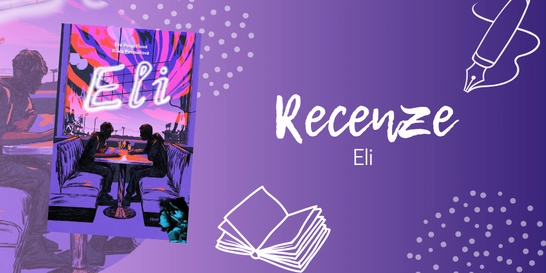
Eli: queer romance plná bolesti i ryzí lásky | RECENZE
Tahle kniha se ke mně původně dostala jen proto, abych ji předala někomu z...



Kniha ( měkká vazba )


Při zaslání zboží balíčkem
K nákupu nad 1699 Kč dárek zdarma v hodnotě 198 Kč
Stalinova baletka - Příběh odvahy a boje o přežití v sovětském Rusku
The new geological epoch we call the Anthropocene is not just a scientific classification. It marks a radical transformation in the background conditions of life on Earth, one taken for granted by much of who we are and what we hope for. Never before has a species possessed both a geological-scale grasp of the history of the Earth and a sober… Přejít na celý popis

5.0 z 5 hvězdiček
Voucher
5.0 z 5 hvězdiček
Voucher
5.0 z 5 hvězdiček
Voucher
5.0 z 5 hvězdiček
Voucher
5.0 z 5 hvězdiček
Voucher
The new geological epoch we call the Anthropocene is not just a scientific classification. It marks a radical transformation in the background conditions of life on Earth, one taken for granted by much of who we are and what we hope for. Never before has a species possessed both a geological-scale grasp of the history of the Earth and a sober understanding of its own likely fate. Our situation forces us to confront questions both philosophical and of real practical urgency. We need to rethink who "we" are, what agency means today, how to deal with the passions stirred by our circumstances, whether our manner of dwelling on Earth is open to change, and, ultimately, "What is to be done?" Our future, that of our species, and of all the fellow travelers on the planet depend on it. The real-world consequences of climate change bring new significance to some very traditional philosophical questions about reason, agency, responsibility, community, and man's place in nature. The focus is shifting from imagining and promoting the "good life" to the survival of the species. Deep Time, Dark Times challenges us to reimagine ourselves as a species, taking on a geological consciousness. Drawing promiscuously on the work of Nietzsche, Heidegger, Foucault, Derrida, Deleuze, and other contemporary French thinkers, as well as the science of climate change, David Wood reflects on the historical series of displacements and de-centerings of both the privilege of the Earth, and of the human, from Copernicus through Darwin and Freud to the declaration of the age of the Anthropocene. He argues for the need to develop a new temporal phronesis and to radically rethink who "we" are in respect to solidarity with other humans, and responsibility for the nonhuman stakeholders with which we share the planet. In these brief, lively chapters, Wood poses a range of questions centered on our individual and collective political agency. Might not human exceptionalism be reborn as a sort of hyperbolic responsibility rather than privilege?
0.0 z 5 0 hodnocení čtenářů
0× 5 hvězdiček 0× 4 hvězdičky 0× 3 hvězdičky 0× 2 hvězdičky 0× 1 hvezdička
Získejte přehled o vývoji ceny za posledních 60 dní.
Tahle kniha se ke mně původně dostala jen proto, abych ji předala někomu z...

Nestihli jste naše žhavé literární odpoledne na Masarykově nádraží, nebo...

Pokud nevíte, zda sáhnout po „nové Lukáškové“, váš osobní...
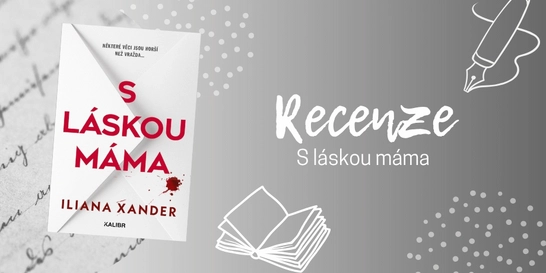
Po dočtení poslední knihy, která byla na můj vkus až příliš...
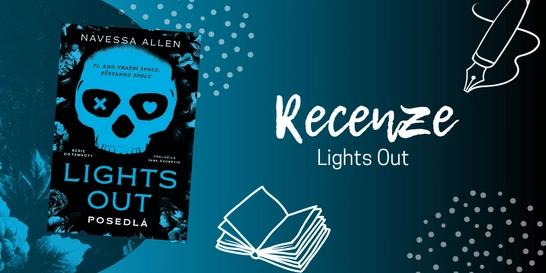
Už jste také někdy spadli do pasti algoritmu sociálních sítí? Znáte to....

Ne vždycky má člověk chuť vyrážet na nákup do obchodního centra. Někdy...
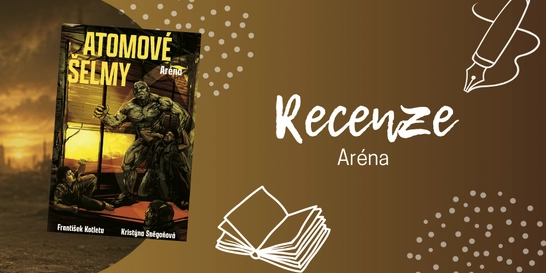
Pokud jste unavení ze všech těch varování, že světu hrozí atomová válka...

Od letošního CinemaConu už uběhlo pár týdnů, ale moje nadšení z...
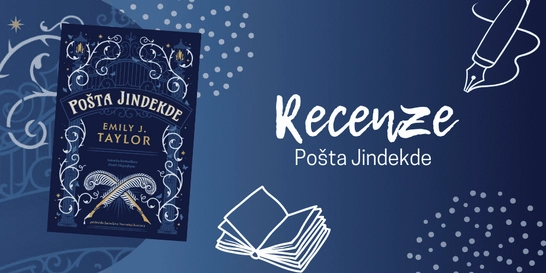
Po knize Pošta Jindekde jsem sáhla hlavně proto, že mám tvorbu Emily J....
Caraval vrcholí!
Tella, Scarlett i Legenda stojí před rozhodnutími, která změní jejich osudy. Ve hře je láska, moc i budoucnost celého království.

Mohlo by vás zajímat
Dva sourozenci, jeden neúprosný svět.
Po zmizení matky zůstávají Kryštof a Ida sami a snaží se zvládnout každodenní život bez dospělých. Příběh o sourozeneckém poutu, dospívání a rozhodnutích, která přicházejí příliš brzy.
Mohlo by vás zajímat
Léto na ranči měl být útěk od problémů..
Místo klidu ji čeká přitažlivý šerif, stará tajemství a pocit, že ji někdo sleduje.
Mohlo by vás zajímat
Kdo jako první vyloží všechny dílky?
Jednoduchá pravidla. Napínavá hra. Barevná bitva může začít!
Mohlo by vás zajímat
Mohlo by vás zajímat
První čajová ochutnávka pro malé rarášky
Jemné bylinné a ovocné směsi jsou připravené pro dětské chutě a malé čajové rituály. Stačí zalít, nechat vyluhovat, ochladit a čajová chvilka může začít.
Mohlo by vás zajímat
Ať víte, kdy je matika, keramika i posilovna
Rozvrhy, kroužky, poznámky i důležité termíny pěkně pohromadě. Praktický školní kalendář pomůže sladit povinnosti i volný čas bez zbytečného zmatku.
Každý měsíc společně přečteme tisíce knih







Tento web je chráněn službou reCAPTCHA a platí pro něj Zásady ochrany soukromí a Smluvní podmínky. | © 2001–2026 DOBROVSKÝ s.r.o. Všechna práva vyhrazena.






 KnihyDobrovsky.cz
 knihydobrovsky
 @knihydobrovskycz
 @knihydobrovsky