
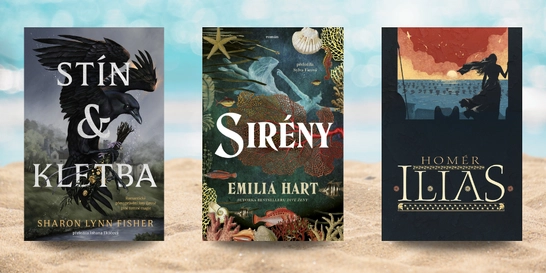
6 červencových novinek, které si přibalit na dovolenou
Slunce svítí, prázdniny jsou v plném proudu a spousta z nás si dopřává...



Kniha ( pevná vazba )
957 Kč s DPH
Jsme transparentní


One spring day in 1683, a notary's clerk in Delft entered the home of the late Magdalena Pieters van Ruijven and stumbled upon one of the wonders of the seventeenth-century world: twenty paintings by Johannes Vermeer. Rather than dispel the mysteries of Vermeer's life, this discovery merely gave rise to more questions: How had this one… Přejít na celý popis

5.0 z 5 hvězdiček
Voucher
5.0 z 5 hvězdiček
Voucher
5.0 z 5 hvězdiček
Voucher
5.0 z 5 hvězdiček
Voucher
One spring day in 1683, a notary's clerk in Delft entered the home of the late Magdalena Pieters van Ruijven and stumbled upon one of the wonders of the seventeenth-century world: twenty paintings by Johannes Vermeer. Rather than dispel the mysteries of Vermeer's life, this discovery merely gave rise to more questions: How had this one Dutchwoman come to possess the majority of the master's work? And why have these images-among the most beautiful, even sublime, in the history of art-defied explanation for so long?
Following new leads and drawing on freshly uncovered evidence from Dutch archives, acclaimed art historian Andrew Graham-Dixon fills these long-standing gaps in art history, presenting a dramatic and transformative new interpretation of Vermeer’s life and work. Dixon considers Vermeer holistically, placing him in his complex historical, social, religious, political, and artistic context in order to understand what spaces he occupied in his life and how the texture of these spaces inspired his paintings and distinguished him from his artistic contemporaries. Dixon also interrogates the nature of Vermeer’s relationship with the Van Ruijven family, which was unlike any other known relationship in that time period, and discusses how this dynamic shaped his artistic practice.
Rich with piercingly direct descriptions of Vermeer’s paintings, Graham-Dixon’s biography is full of revelations. It upends the master’s enigmatic reputation and depicts him instead as a pioneer of the early Enlightenment, a pacifist who was deeply affected by the wars and religious conflicts of the Dutch Republic and allied to a radical movement driven underground by persecution. In Vermeer: A Life Lost and Found, Dixon does what countless art historians and scholars before him failed to: he brings Johannes Vermeer, renowned for his use of chiaroscuro, out of the shadows and into the light.
0.0 z 5 0 hodnocení čtenářů
0× 5 hvězdiček 0× 4 hvězdičky 0× 3 hvězdičky 0× 2 hvězdičky 0× 1 hvezdička
Získejte přehled o vývoji ceny za posledních 60 dní.
Slunce svítí, prázdniny jsou v plném proudu a spousta z nás si dopřává...

Pokud vám seriál Heated Rivalry (Spalující rivalita) nedal spát a zhlédli...

Pokud nevíte, zda sáhnout po „nové Lukáškové“, váš osobní...

Tahle kniha se ke mně původně dostala jen proto, abych ji předala někomu z...

Nestihli jste naše žhavé literární odpoledne na Masarykově nádraží, nebo...

Po dočtení poslední knihy, která byla na můj vkus až příliš...

Už jste také někdy spadli do pasti algoritmu sociálních sítí? Znáte to....

Ne vždycky má člověk chuť vyrážet na nákup do obchodního centra. Někdy...

Pokud jste unavení ze všech těch varování, že světu hrozí atomová válka...
Nová temná romance od Tess M. Puffrové
Měl to být nový začátek. Místo toho ji čeká nebezpečně přitažlivý student, stalking a les plný tajemství, která se neměla dostat ven.

Mohlo by vás zajímat
První detektivka od královny české fantastiky
Příběh, jaký by napsala Agatha Christie, kdyby chtěla, aby byl její hrdina Čech s krizí středního věku.
Mohlo by vás zajímat
Tři ženy, pět století, jedno tajemství...
Dechberoucí příběh o ženské síle, odhodlání a hlubokém spojení s přírodou.
Mohlo by vás zajímat
Matika, co počítá s budoucností.
Učebnice, která propojuje čísla, logiku i technologie. Protože i vzorce jdou s dobou.
Mohlo by vás zajímat
Modrá klasika do každé aktovky
Žádné zbytečné kouzlení, jen poctivý sešit pro každodenní psaní.
Mohlo by vás zajímat
Rychlejší než blesk!
Rozšiřte svou klasickou sadu o Speed Pack a dodejte vašemu UNO nový život.
Mohlo by vás zajímat
Mohlo by vás zajímat
Kapitola u bazénu? Klidně.
Vodotěsné provedení vám dovolí číst u vody, na pláži i ve vaně bez zbytečných obav.
Každý měsíc společně přečteme tisíce knih







Tento web je chráněn službou reCAPTCHA a platí pro něj Zásady ochrany soukromí a Smluvní podmínky. | © 2001–2026 DOBROVSKÝ s.r.o. Všechna práva vyhrazena.






 KnihyDobrovsky.cz
 knihydobrovsky
 @knihydobrovskycz
 @knihydobrovsky