
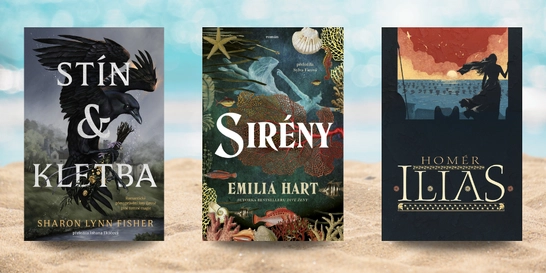
6 červencových novinek, které si přibalit na dovolenou
Slunce svítí, prázdniny jsou v plném proudu a spousta z nás si dopřává...



Kniha ( pevná vazba )


What motivates those who commit violence in the name of political beliefs? Terrorism today is not solely the preserve of Islam, nor is it a new phenomenon. It emerges from social processes and conditions common to societies throughout modern history, and the story of its origins spans centuries, encompassing numerous radical and revolutionary… Přejít na celý popis

5.0 z 5 hvězdiček
Voucher
5.0 z 5 hvězdiček
Voucher
5.0 z 5 hvězdiček
Voucher
5.0 z 5 hvězdiček
Voucher
What motivates those who commit violence in the name of political beliefs? Terrorism today is not solely the preserve of Islam, nor is it a new phenomenon. It emerges from social processes and conditions common to societies throughout modern history, and the story of its origins spans centuries, encompassing numerous radical and revolutionary movements. Marc Sageman is a forensic psychiatrist and government counterterrorism consultant whose bestselling books Understanding Terror Networks and Leaderless Jihad provide a detailed, damning corrective to commonplace yet simplistic notions of Islamist terrorism. In a comprehensive new book, Turning to Political Violence, Sageman examines the history and theory of political violence in the West. He excavates primary sources surrounding key instances of modern political violence, looking for patterns across a range of case studies spanning the French Revolution, through late nineteenth- and early twentieth-century revolutionaries and anarchists in Russia and the United States, to the assassination of Archduke Ferdinand and the start of World War I. In contrast to one-dimensional portraits of terrorist "monsters" offered by governments and media throughout history, these accounts offer complex and intricate portraits of individuals engaged in struggles with identity, injustice, and revenge who may be empowered by a sense of love and self-sacrifice. Arguing against easy assumptions that attribute terrorism to extremist ideology, and counter to mainstream academic explanations such as rational choice theory, Sageman develops a theoretical model based on the concept of social identity. His analysis focuses on the complex dynamic between the state and disaffected citizens that leads some to disillusionment and moral outrage-and a few to mass murder. Sageman's account offers a paradigm-shifting perspective on terrorism that yields counterintuitive implications for the ways liberal democracies can and should confront political violence.
0.0 z 5 0 hodnocení čtenářů
0× 5 hvězdiček 0× 4 hvězdičky 0× 3 hvězdičky 0× 2 hvězdičky 0× 1 hvezdička
Získejte přehled o vývoji ceny za posledních 60 dní.
Slunce svítí, prázdniny jsou v plném proudu a spousta z nás si dopřává...

Pokud vám seriál Heated Rivalry (Spalující rivalita) nedal spát a zhlédli...
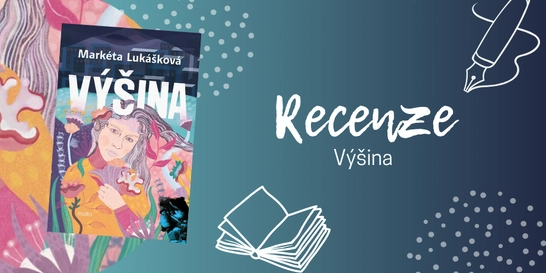
Pokud nevíte, zda sáhnout po „nové Lukáškové“, váš osobní...

Tahle kniha se ke mně původně dostala jen proto, abych ji předala někomu z...

Nestihli jste naše žhavé literární odpoledne na Masarykově nádraží, nebo...
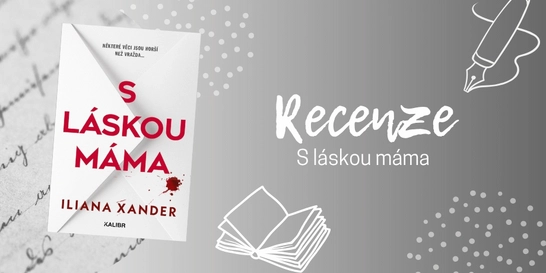
Po dočtení poslední knihy, která byla na můj vkus až příliš...
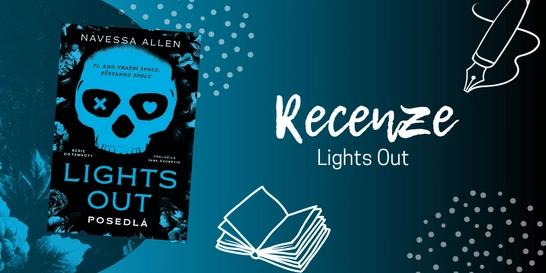
Už jste také někdy spadli do pasti algoritmu sociálních sítí? Znáte to....
Ne vždycky má člověk chuť vyrážet na nákup do obchodního centra. Někdy...
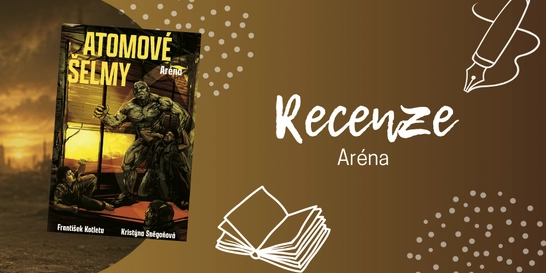
Pokud jste unavení ze všech těch varování, že světu hrozí atomová válka...
Král Nezemě si přichází pro další dívku a nic ho nezastaví
Temná verze Petra Pana plná nebezpečí, vášně a vztahů, které bolí i přitahují.

Mohlo by vás zajímat
Caraval vrcholí!
Tella, Scarlett i Legenda stojí před rozhodnutími, která změní jejich osudy. Ve hře je láska, moc i budoucnost celého království.
Mohlo by vás zajímat
Léto na ranči měl být útěk od problémů..
Místo klidu ji čeká přitažlivý šerif, stará tajemství a pocit, že ji někdo sleduje.
Mohlo by vás zajímat
Matika, co počítá s budoucností.
Učebnice, která propojuje čísla, logiku i technologie. Protože i vzorce jdou s dobou.
Mohlo by vás zajímat
Ať víte, kdy je matika, keramika i posilovna
Rozvrhy, kroužky, poznámky i důležité termíny pěkně pohromadě. Praktický školní kalendář pomůže sladit povinnosti i volný čas bez zbytečného zmatku.
Mohlo by vás zajímat
UNO, tvrdší než kdy předtím
Nelítostné karty, brutální postihy, škodolibá radost a taktické bitvy!
Mohlo by vás zajímat
Mohlo by vás zajímat
Malý kousek galerie na knížky, drobnosti i menší nákup
Plátěná taška Paperblanks Natsu díky pevné bavlněné látce unese až 7 kg.
Každý měsíc společně přečteme tisíce knih






Tento web je chráněn službou reCAPTCHA a platí pro něj Zásady ochrany soukromí a Smluvní podmínky. | © 2001–2026 DOBROVSKÝ s.r.o. Všechna práva vyhrazena.






 KnihyDobrovsky.cz
 knihydobrovsky
 @knihydobrovskycz
 @knihydobrovsky