

6 červencových novinek, které si přibalit na dovolenou
Slunce svítí, prázdniny jsou v plném proudu a spousta z nás si dopřává...



Kniha ( měkká vazba )


Whenever automation is introduced to control real-time activities or processes, the role of the human changes from being a manual controller to being a supervisory controller. Whether the activity is the control of vehicles industrial processes, or is in defence, healthcare, or elsewhere, the work performed by the people who are expected to… Přejít na celý popis
Whenever automation is introduced to control real-time activities or processes, the role of the human changes from being a manual controller to being a supervisory controller. Whether the activity is the control of vehicles industrial processes, or is in defence, healthcare, or elsewhere, the work performed by the people who are expected to monitor and supervise the automation places new demands on their attention, perception and cognition. Those demands can be significant and challenging and this book aims to address that. Transitioning to Autonomy: The Psychology of Human Supervisory Control focuses on the transition period when automation is being introduced, and the human needs to learn and develop the competence to perform their new role effectively. The first Part extracts general lessons from the author’s experience taking ownership of a new car which, under certain circumstances, was capable of driving autonomously. Part 2 explores the psychology behind the lessons extracted in Part 1 and proposes a comprehensive model of human supervisory control. The final Part focuses on six principal risks associated with human supervisory control and examines how the expectation that people will be proactive in monitoring for threats to the automation’s performance is often relied on as a defence, or “Barrierâ€, against serious adverse events. The core benefit for the reader is a deeper understanding of what it takes, cognitively, emotionally, and organisationally, to ensure safe and effective human oversight in the age of automation. It aims to give the reader the lowdown on delivering safer systems. The book is for managers, engineers, safety professionals and those from other technical disciplines who have responsibility for the design, development and/or assurance of products that automate the control of real-time activities; it’s for regulators and others responsible for setting policy and ensuring products automating real-time activities are safe; and it’s for Human Factors and other professionals who need to understand and develop competence in aspects of the psychology associated with automated systems.
0.0 z 5 0 hodnocení čtenářů
0× 5 hvězdiček 0× 4 hvězdičky 0× 3 hvězdičky 0× 2 hvězdičky 0× 1 hvezdička
Získejte přehled o vývoji ceny za posledních 60 dní.
Slunce svítí, prázdniny jsou v plném proudu a spousta z nás si dopřává...

Pokud vám seriál Heated Rivalry (Spalující rivalita) nedal spát a zhlédli...

Pokud nevíte, zda sáhnout po „nové Lukáškové“, váš osobní...

Tahle kniha se ke mně původně dostala jen proto, abych ji předala někomu z...

Nestihli jste naše žhavé literární odpoledne na Masarykově nádraží, nebo...
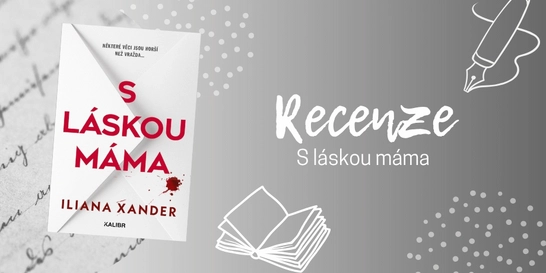
Po dočtení poslední knihy, která byla na můj vkus až příliš...

Už jste také někdy spadli do pasti algoritmu sociálních sítí? Znáte to....

Ne vždycky má člověk chuť vyrážet na nákup do obchodního centra. Někdy...

Pokud jste unavení ze všech těch varování, že světu hrozí atomová válka...
Od autorky bestselleru Divé ženy
Román, který vás zavede na větrný australský útes, do městečka opředeného legendami a mezi ženy, jejichž příběhy měly zůstat navždy zapomenuty.

Mohlo by vás zajímat
Nová gotická dark romance
Mrtví živé učí. Anatomie hříchu v rukou nebezpečně přitažlivého patologa
Mohlo by vás zajímat
Léto na ranči měl být útěk od problémů..
Místo klidu ji čeká přitažlivý šerif, stará tajemství a pocit, že ji někdo sleduje.
Mohlo by vás zajímat
Matika, co počítá s budoucností.
Učebnice, která propojuje čísla, logiku i technologie. Protože i vzorce jdou s dobou.
Mohlo by vás zajímat
Ať víte, kdy je matika, keramika i posilovna
Rozvrhy, kroužky, poznámky i důležité termíny pěkně pohromadě. Praktický školní kalendář pomůže sladit povinnosti i volný čas bez zbytečného zmatku.
Mohlo by vás zajímat
UNO, tvrdší než kdy předtím
Nelítostné karty, brutální postihy, škodolibá radost a taktické bitvy!
Mohlo by vás zajímat
Mohlo by vás zajímat
Barevná zábava pro malé umělce
Ideální aktivita na klidné odpoledne, deštivý den nebo kreativní chvilku bez obrazovek.
Každý měsíc společně přečteme tisíce knih







Tento web je chráněn službou reCAPTCHA a platí pro něj Zásady ochrany soukromí a Smluvní podmínky. | © 2001–2026 DOBROVSKÝ s.r.o. Všechna práva vyhrazena.






 KnihyDobrovsky.cz
 knihydobrovsky
 @knihydobrovskycz
 @knihydobrovsky