

6 červencových novinek, které si přibalit na dovolenou
Slunce svítí, prázdniny jsou v plném proudu a spousta z nás si dopřává...



Kniha ( měkká vazba )
1 386 Kč s DPH
Jsme transparentní


The Death and Life of Southern Soviet Cities discussed on New Books Network podcast with Ernest LeeWhat does it mean, three decades after the demise of the USSR, to inhabit cities built for a future that has never arrived? In pursuit of the question – what is left of the socialist city? – this book aims not only to trace the material and… Přejít na celý popis

5.0 z 5 hvězdiček
Voucher
5.0 z 5 hvězdiček
Voucher
5.0 z 5 hvězdiček
Voucher
5.0 z 5 hvězdiček
Voucher
The Death and Life of Southern Soviet Cities discussed on New Books Network podcast with Ernest LeeWhat does it mean, three decades after the demise of the USSR, to inhabit cities built for a future that has never arrived? In pursuit of the question – what is left of the socialist city? – this book aims not only to trace the material and mnemonic remains of the socialist city, but to show how the Soviet discourse of the city at times engendered radical ideas that challenged the narrow confines of state socialism itself. These ideas are, for instance, the efforts of Esperanto-speaking internationalists from Czechoslovakia to build the internationalist city from below in the Central Asian steppe, the quest of Armenian Futurists to root the architectural style of Soviet Armenia in the country’s Persianate heritage, or a Jewish-Kyrgyz philosopher's vision of turning a science town in the hinterland of Moscow into the first ecopolis of the USSR. In an effort to rethink the life and afterlife of the Soviet city from its geographical South, the book explores the material and immaterial legacies of socialist-era urbanization in Central Asia and the Southern Caucasus. To this end, it embarks on a historical and ethnographic journey to urban sites in Armenia and Kyrgyzstan. In a quest to reconstruct competing visions of urbanity that emerged from within the Soviet South, using varied empirical sources in Armenian, Czech, Kyrgyz, and Russian, the book outlines four urban visions: bottom-up urbanity, rooted urbanity, polycentric urbanity, and ecocentric urbanity. By understanding the social vision of a "socialist city of the future" beyond the political center in its trans-local independence, the book highlights the cultural and linguistic diversity of the Soviet South and its historical embeddedness within the regional dynamics of the Global South. As such, this book will be an important resource for students, instructors, and researchers in understanding and thinking through socialism, post-socialist transformation, and histories of the USSR. In it, David Leupold brings formidable historical imagination and ethnographic research to enliven the shape, contours, and textures of the "socialist city" and its afterlife beyond the demise of the Soviet Union.
0.0 z 5 0 hodnocení čtenářů
0× 5 hvězdiček 0× 4 hvězdičky 0× 3 hvězdičky 0× 2 hvězdičky 0× 1 hvezdička
Získejte přehled o vývoji ceny za posledních 60 dní.
Slunce svítí, prázdniny jsou v plném proudu a spousta z nás si dopřává...

Pokud vám seriál Heated Rivalry (Spalující rivalita) nedal spát a zhlédli...
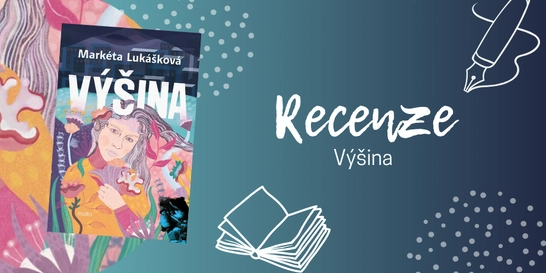
Pokud nevíte, zda sáhnout po „nové Lukáškové“, váš osobní...

Tahle kniha se ke mně původně dostala jen proto, abych ji předala někomu z...

Nestihli jste naše žhavé literární odpoledne na Masarykově nádraží, nebo...
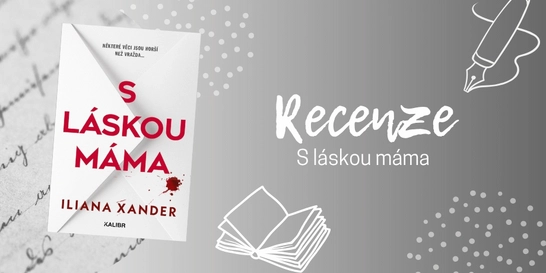
Po dočtení poslední knihy, která byla na můj vkus až příliš...
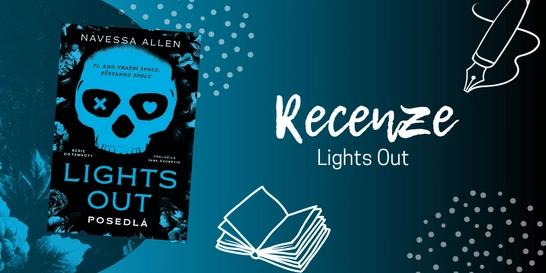
Už jste také někdy spadli do pasti algoritmu sociálních sítí? Znáte to....
Ne vždycky má člověk chuť vyrážet na nákup do obchodního centra. Někdy...
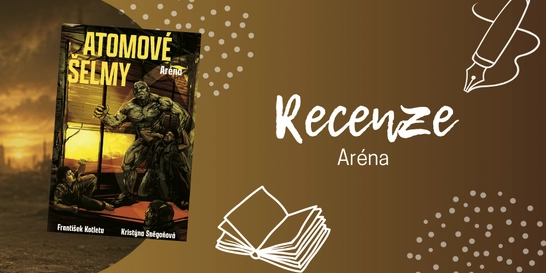
Pokud jste unavení ze všech těch varování, že světu hrozí atomová válka...
1 386 Kč s DPH
Jsme transparentní
Král Nezemě si přichází pro další dívku a nic ho nezastaví
Temná verze Petra Pana plná nebezpečí, vášně a vztahů, které bolí i přitahují.

Mohlo by vás zajímat
První detektivka od královny české fantastiky
Příběh, jaký by napsala Agatha Christie, kdyby chtěla, aby byl její hrdina Čech s krizí středního věku.
Mohlo by vás zajímat
Zběsilý postapo svět. Tvrdá pravidla.
Druhý díl, který přitvrzuje. Sněgoňová & Kotleta servírují Arénu, kde přežijí jen ti nejtvrdší. Ostatní skončí jako krmivo.
Mohlo by vás zajímat
Učebnice, co drží krok s dobou.
Nová generace učebnic, která jede podle nejnovějšího RVP, ne podle Windows 95.
Mohlo by vás zajímat
Modrá klasika do každé aktovky
Žádné zbytečné kouzlení, jen poctivý sešit pro každodenní psaní.
Mohlo by vás zajímat
Rychlejší než blesk!
Rozšiřte svou klasickou sadu o Speed Pack a dodejte vašemu UNO nový život.
Mohlo by vás zajímat
Královna oslavy!
Cleo září ve zlatém outfitu a přináší monstrózní narozeninovou radost. Přidejte ji do své sbírky Monster High a rozjeďte párty!
Mohlo by vás zajímat
Kapitola u bazénu? Klidně.
Vodotěsné provedení vám dovolí číst u vody, na pláži i ve vaně bez zbytečných obav.
Každý měsíc společně přečteme tisíce knih







Tento web je chráněn službou reCAPTCHA a platí pro něj Zásady ochrany soukromí a Smluvní podmínky. | © 2001–2026 DOBROVSKÝ s.r.o. Všechna práva vyhrazena.






 KnihyDobrovsky.cz
 knihydobrovsky
 @knihydobrovskycz
 @knihydobrovsky