
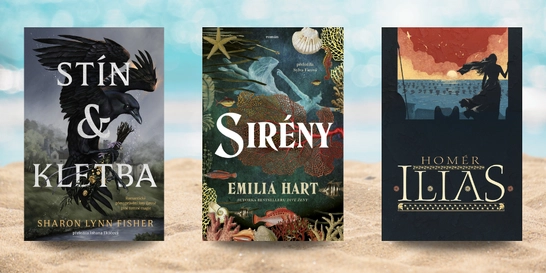
6 červencových novinek, které si přibalit na dovolenou
Slunce svítí, prázdniny jsou v plném proudu a spousta z nás si dopřává...



Kniha ( měkká vazba )


Changes in farmland management throughout the twentieth century, including agricultural intensification and increasing mechanisation, have resulted in the loss of habitat for many species. The Corncrake is one such species that has faced multiple challenges to its survival. Although it was once a common bird throughout northern Europe, the… Přejít na celý popis

5.0 z 5 hvězdiček
Voucher
5.0 z 5 hvězdiček
Voucher
5.0 z 5 hvězdiček
Voucher
5.0 z 5 hvězdiček
Voucher
Changes in farmland management throughout the twentieth century, including agricultural intensification and increasing mechanisation, have resulted in the loss of habitat for many species. The Corncrake is one such species that has faced multiple challenges to its survival. Although it was once a common bird throughout northern Europe, the breeding areas of Corncrakes have been steadily reduced to a fraction of what they once were, and in many areas their continuation as a regularly breeding bird is in serious doubt.In addition, the behaviour of the Corncrake, nesting under the cover of tall grass and undertaking annual long-distance migrations, means that for most of the last hundred years, its detailed ecology has remained mysterious and little understood. Although there have been millions of words written about the Corncrake in scientific papers, until now there has been no full-length book that attempts to capture all the aspects of its ecology, and to present this information to non-specialists. As a result, until very recently, many important facts about its lifestyle and behaviour have not been widely known, even among ornithologists.Although scarcely seen in its natural habitat, the Corncrake is well-known in many rural areas due to its characteristic (and persistent) night-time calling, but new discoveries with the aid of acoustic science have proved surprising, and may offer new ways of improving the location, identification, and management options to protect and enable the population of this iconic species to recover, even to thrive in our countryside. A new appreciation of the requirements of this species and the ways in which our sensitive management of the whole landscape, both in its potential breeding areas across Europe and Asia and in the seasonal quarters in regions of Africa, offer new hope for the future of this fascinating bird.
0.0 z 5 0 hodnocení čtenářů
0× 5 hvězdiček 0× 4 hvězdičky 0× 3 hvězdičky 0× 2 hvězdičky 0× 1 hvezdička
Získejte přehled o vývoji ceny za posledních 60 dní.
Slunce svítí, prázdniny jsou v plném proudu a spousta z nás si dopřává...

Pokud vám seriál Heated Rivalry (Spalující rivalita) nedal spát a zhlédli...

Pokud nevíte, zda sáhnout po „nové Lukáškové“, váš osobní...

Tahle kniha se ke mně původně dostala jen proto, abych ji předala někomu z...

Nestihli jste naše žhavé literární odpoledne na Masarykově nádraží, nebo...
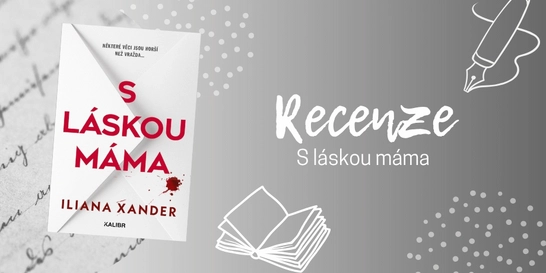
Po dočtení poslední knihy, která byla na můj vkus až příliš...
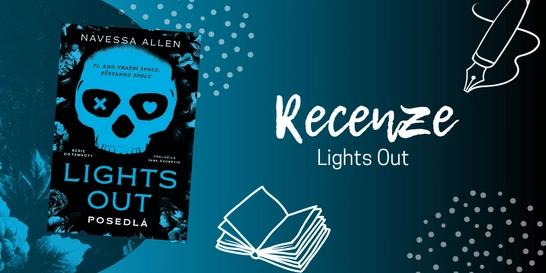
Už jste také někdy spadli do pasti algoritmu sociálních sítí? Znáte to....
Ne vždycky má člověk chuť vyrážet na nákup do obchodního centra. Někdy...

Pokud jste unavení ze všech těch varování, že světu hrozí atomová válka...
Nový román Viktorie Hanišové
Když se její otec upálí před Poslaneckou sněmovnou, začne Lada hledat důvody jeho činu.

Mohlo by vás zajímat
První detektivka od královny české fantastiky
Příběh, jaký by napsala Agatha Christie, kdyby chtěla, aby byl její hrdina Čech s krizí středního věku.
Mohlo by vás zajímat
Tři ženy, pět století, jedno tajemství...
Dechberoucí příběh o ženské síle, odhodlání a hlubokém spojení s přírodou.
Mohlo by vás zajímat
Hola, amigo!
Seznamte se s Eliškou, Hugem a sovou Listillo – a objevte španělštinu s úsměvem.
Mohlo by vás zajímat
Ať víte, kdy je matika, keramika i posilovna
Rozvrhy, kroužky, poznámky i důležité termíny pěkně pohromadě. Praktický školní kalendář pomůže sladit povinnosti i volný čas bez zbytečného zmatku.
Mohlo by vás zajímat
UNO, tvrdší než kdy předtím
Nelítostné karty, brutální postihy, škodolibá radost a taktické bitvy!
Mohlo by vás zajímat
Královna oslavy!
Cleo září ve zlatém outfitu a přináší monstrózní narozeninovou radost. Přidejte ji do své sbírky Monster High a rozjeďte párty!
Mohlo by vás zajímat
Kapitola u bazénu? Klidně.
Vodotěsné provedení vám dovolí číst u vody, na pláži i ve vaně bez zbytečných obav.
Každý měsíc společně přečteme tisíce knih






Tento web je chráněn službou reCAPTCHA a platí pro něj Zásady ochrany soukromí a Smluvní podmínky. | © 2001–2026 DOBROVSKÝ s.r.o. Všechna práva vyhrazena.






 KnihyDobrovsky.cz
 knihydobrovsky
 @knihydobrovskycz
 @knihydobrovsky