
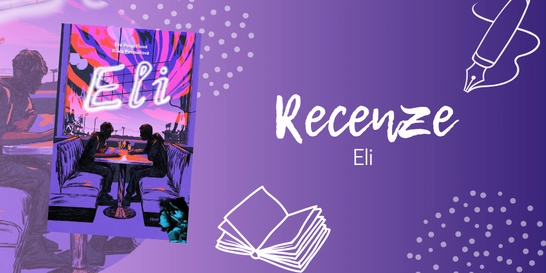
Eli: queer romance plná bolesti i ryzí lásky | RECENZE
Tahle kniha se ke mně původně dostala jen proto, abych ji předala někomu z...



Kniha ( měkká vazba )


Při zaslání zboží balíčkem
K nákupu nad 1699 Kč dárek zdarma v hodnotě 198 Kč
Stalinova baletka - Příběh odvahy a boje o přežití v sovětském Rusku
The Coloring Book of Armor showcases a remarkable selection of armor in the collection of The Metropolitan Museum of Art, giving artists of all ages the opportunity to explore a wide range of designs from a variety of countries.Initially developed for an eminently practical purpose - to protect the wearer from injury - armor may take the form… Přejít na celý popis

5.0 z 5 hvězdiček
Voucher
5.0 z 5 hvězdiček
Voucher
5.0 z 5 hvězdiček
Voucher
5.0 z 5 hvězdiček
Voucher
The Coloring Book of Armor showcases a remarkable selection of armor in the collection of The Metropolitan Museum of Art, giving artists of all ages the opportunity to explore a wide range of designs from a variety of countries.Initially developed for an eminently practical purpose - to protect the wearer from injury - armor may take the form of body coverings or objects held in the hand. Any material that can serve as a hard shell or cushion was put to use; not just metal, but also bone, leather, and even silk. Armor also fulfilled other functions. When decorated with magical or religious symbols and texts, it could invoke the powerful assistance of outside forces, including gods. Should it fail to deflect harm, it would at least help to save one''s soul. When featuring the emblems of a community or a leader, it fostered a sense of belonging. When made of or decorated with precious metals, it denoted rank and resources. Popular motifs included flowers and leaves, birds, winged lions, and geometric patterns. Armor made for horses was effective at evoking the anatomy of mythical beasts such as dragons, thus instilling fear in the enemy. There are more than 30 line drawings for coloring, including a dragon-shaped shaffron (horse''s head armor) used in tournaments by the future Henry II of France; the highly decorative suit of armor worn by George Clifford, a favorite of Elizabeth I of England; a 17th-century Japanese helmet in the shape of a sea conch; distinctive armor of chain mail and steel plate from the Indian kingdom of Sindh; and a 19th-century Native American shield of buffalo hide. Photographs of all pieces are provided, allowing you to follow the original coloring - or you may decide to create your own dazzling color schemes. The book also features a concise description of each item, highlighting its origin, materials, and function. This delightful introduction to an extraordinary art form will inspire you to learn more about armor and what it can tell us about our ancestors and different traditions and cultures around the world.
0.0 z 5 0 hodnocení čtenářů
0× 5 hvězdiček 0× 4 hvězdičky 0× 3 hvězdičky 0× 2 hvězdičky 0× 1 hvezdička
Získejte přehled o vývoji ceny za posledních 60 dní.
Tahle kniha se ke mně původně dostala jen proto, abych ji předala někomu z...

Nestihli jste naše žhavé literární odpoledne na Masarykově nádraží, nebo...
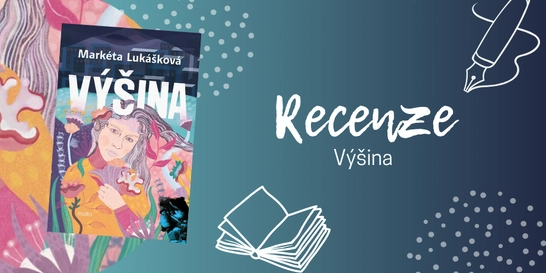
Pokud nevíte, zda sáhnout po „nové Lukáškové“, váš osobní...
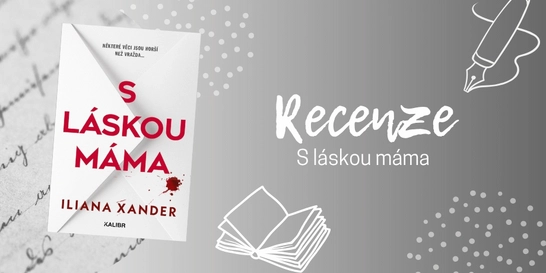
Po dočtení poslední knihy, která byla na můj vkus až příliš...
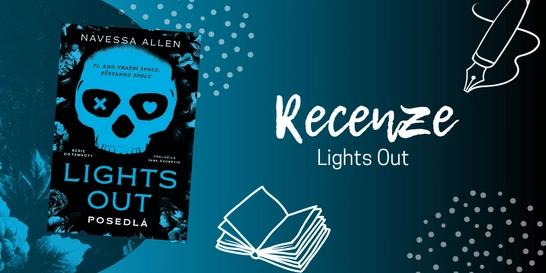
Už jste také někdy spadli do pasti algoritmu sociálních sítí? Znáte to....
Ne vždycky má člověk chuť vyrážet na nákup do obchodního centra. Někdy...
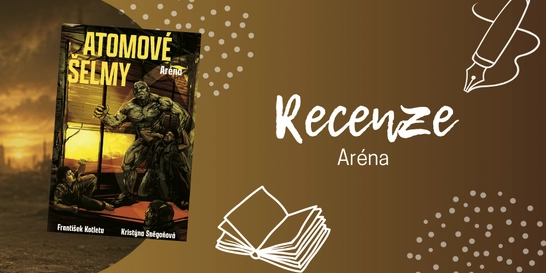
Pokud jste unavení ze všech těch varování, že světu hrozí atomová válka...

Od letošního CinemaConu už uběhlo pár týdnů, ale moje nadšení z...
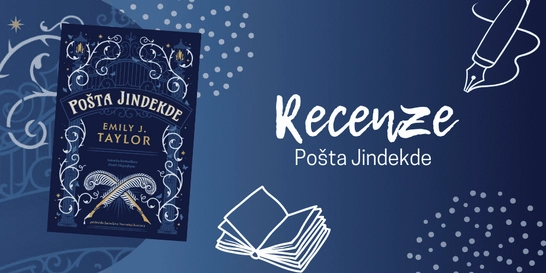
Po knize Pošta Jindekde jsem sáhla hlavně proto, že mám tvorbu Emily J....
Zběsilá postapo jízda pokračuje
Hřbitov není místo pro slabé povahy ani pro romantické procházky za soumraku. Postapo nářez plný mutací, šílenství a bohů, kteří možná nikdy neměli být probuzeni.

Mohlo by vás zajímat
Nová gotická dark romance
Mrtví živé učí. Anatomie hříchu v rukou nebezpečně přitažlivého patologa
Mohlo by vás zajímat
Zběsilý postapo svět. Tvrdá pravidla.
Druhý díl, který přitvrzuje. Sněgoňová & Kotleta servírují Arénu, kde přežijí jen ti nejtvrdší. Ostatní skončí jako krmivo.
Mohlo by vás zajímat
Rychlejší než blesk!
Rozšiřte svou klasickou sadu o Speed Pack a dodejte vašemu UNO nový život.
Mohlo by vás zajímat
Královna oslavy!
Cleo září ve zlatém outfitu a přináší monstrózní narozeninovou radost. Přidejte ji do své sbírky Monster High a rozjeďte párty!
Mohlo by vás zajímat
Písmo podle vašich očí
Velikost textu i nastavení obrazu si snadno upravíte podle sebe. Kindle tak zpříjemní čtení doma, venku i večer, kdy klasická kniha potřebuje lampičku.
Mohlo by vás zajímat
Všechno hezky sladěné a připravené na školní start.
Školní taška, penál, sáček na cvičky i pouzdro na pastelky. Praktický set ušetří čas rodičům a dětem přidá radost z nových školních věcí.
Každý měsíc společně přečteme tisíce knih







Tento web je chráněn službou reCAPTCHA a platí pro něj Zásady ochrany soukromí a Smluvní podmínky. | © 2001–2026 DOBROVSKÝ s.r.o. Všechna práva vyhrazena.






 KnihyDobrovsky.cz
 knihydobrovsky
 @knihydobrovskycz
 @knihydobrovsky