

Eli: queer romance plná bolesti i ryzí lásky | RECENZE
Tahle kniha se ke mně původně dostala jen proto, abych ji předala někomu z...



Kniha ( měkká vazba )


Při zaslání zboží balíčkem
K nákupu nad 1699 Kč dárek zdarma v hodnotě 198 Kč
Stalinova baletka - Příběh odvahy a boje o přežití v sovětském Rusku
Why is our sense of smell so under-appreciated? We tend to think of smell as a vestigial remnant of our pre-human past, doomed to gradual extinction, and we go to great lengths to eliminate smells from our environment, suppressing body odour, bad breath and other smells. Living in a relatively odour-free environment has numbed us to the… Přejít na celý popis

5.0 z 5 hvězdiček
Voucher
5.0 z 5 hvězdiček
Voucher
5.0 z 5 hvězdiček
Voucher
5.0 z 5 hvězdiček
Voucher
Why is our sense of smell so under-appreciated? We tend to think of smell as a vestigial remnant of our pre-human past, doomed to gradual extinction, and we go to great lengths to eliminate smells from our environment, suppressing body odour, bad breath and other smells. Living in a relatively odour-free environment has numbed us to the importance that smells have always had in human history and culture. In this major new book Robert Muchembled restores smell to its rightful place as one of our most important senses and examines the transformation of smells in the West from the Renaissance to the beginning of the 19th century. He shows that in earlier centuries, the air in towns and cities was often saturated with nauseating emissions and dangerous pollution. Having little choice but to see and smell faeces and urine on a daily basis, people showed little revulsion; until the 1620s, literature and poetry delighted in excreta which now disgust us. The smell of excrement and body odours were formative aspects of eroticism and sexuality, for the social elite and the popular classes alike. At the same time, medicine explained outbreaks of plague by Satan's poisonous breath corrupting the air. Amber, musk and civet came to be seen as vital bulwarks against the devil's breath: scents were worn like armour against the plague. The disappearance of the plague after 1720 and the sharp decline in fear of the devil meant there was no longer any point in using perfumes to fight the forces of evil, paving the way for the olfactory revolution of the 18th century when softer, sweeter perfumes, often with floral and fruity scents, came into fashion, reflecting new norms of femininity and a gentler vision of nature.  This rich cultural history of an under-appreciated sense will be appeal to a wide readership.
0.0 z 5 0 hodnocení čtenářů
0× 5 hvězdiček 0× 4 hvězdičky 0× 3 hvězdičky 0× 2 hvězdičky 0× 1 hvezdička
Získejte přehled o vývoji ceny za posledních 60 dní.
Tahle kniha se ke mně původně dostala jen proto, abych ji předala někomu z...

Nestihli jste naše žhavé literární odpoledne na Masarykově nádraží, nebo...

Pokud nevíte, zda sáhnout po „nové Lukáškové“, váš osobní...
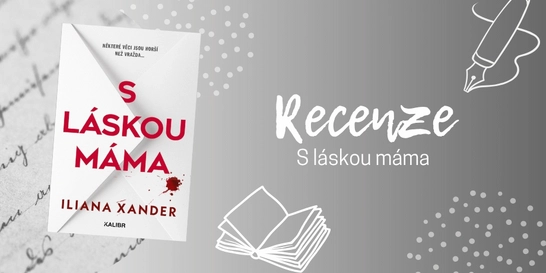
Po dočtení poslední knihy, která byla na můj vkus až příliš...

Už jste také někdy spadli do pasti algoritmu sociálních sítí? Znáte to....

Ne vždycky má člověk chuť vyrážet na nákup do obchodního centra. Někdy...

Pokud jste unavení ze všech těch varování, že světu hrozí atomová válka...

Od letošního CinemaConu už uběhlo pár týdnů, ale moje nadšení z...

Po knize Pošta Jindekde jsem sáhla hlavně proto, že mám tvorbu Emily J....
První detektivka od královny české fantastiky
Příběh, jaký by napsala Agatha Christie, kdyby chtěla, aby byl její hrdina Čech s krizí středního věku.

Mohlo by vás zajímat
Caraval vrcholí!
Tella, Scarlett i Legenda stojí před rozhodnutími, která změní jejich osudy. Ve hře je láska, moc i budoucnost celého království.
Mohlo by vás zajímat
Tři ženy, pět století, jedno tajemství...
Dechberoucí příběh o ženské síle, odhodlání a hlubokém spojení s přírodou.
Mohlo by vás zajímat
Rychlejší než blesk!
Rozšiřte svou klasickou sadu o Speed Pack a dodejte vašemu UNO nový život.
Mohlo by vás zajímat
Mohlo by vás zajímat
Kapitola u bazénu? Klidně.
Vodotěsné provedení vám dovolí číst u vody, na pláži i ve vaně bez zbytečných obav.
Mohlo by vás zajímat
Modrá klasika do každé aktovky
Žádné zbytečné kouzlení, jen poctivý sešit pro každodenní psaní.
Každý měsíc společně přečteme tisíce knih







Tento web je chráněn službou reCAPTCHA a platí pro něj Zásady ochrany soukromí a Smluvní podmínky. | © 2001–2026 DOBROVSKÝ s.r.o. Všechna práva vyhrazena.






 KnihyDobrovsky.cz
 knihydobrovsky
 @knihydobrovskycz
 @knihydobrovsky