

6 červencových novinek, které si přibalit na dovolenou
Slunce svítí, prázdniny jsou v plném proudu a spousta z nás si dopřává...



Kniha ( měkká vazba )
4 785 Kč s DPH
Jsme transparentní


Biological wastewater treatment plants can be adversely affected by influent toxicity. The effects can range from poor clarifier biomass settling and elevated effluent BOD and ammonia levels to total plant kills. These problems could be minimized or eliminated if an effective method existed for continuously monitoring biological wastewater… Přejít na celý popis

5.0 z 5 hvězdiček
Voucher
5.0 z 5 hvězdiček
Voucher
5.0 z 5 hvězdiček
Voucher
5.0 z 5 hvězdiček
Voucher
Biological wastewater treatment plants can be adversely affected by influent toxicity. The effects can range from poor clarifier biomass settling and elevated effluent BOD and ammonia levels to total plant kills. These problems could be minimized or eliminated if an effective method existed for continuously monitoring biological wastewater treatment plant influent for toxicity to the treatment plant microorganisms. Current influent screening methods have not been proven to be adequate for adaptation to continuous screening in the field. The primary reasons include the batch-wise nature of the assays and an inadequate correlation between the assays and plant performance. The goal of the research team was to create new bioluminescent biosensors from different types of bacteria found in biological wastewater treatment plants for the development of a multi-channel continuous monitoring system. A system built from multiple biosensors would make it possible to differentiate between potential influent toxicity effects to different classes of bacteria (such as nitrifying and heterotrophic bacteria). The research team found it unexpectedly challenging to apply common microbiological transformation methods for laboratory strains to the wastewater treatment plant strains. The research team generated six new bioluminescent bioreporters from bacteria that are typical constituents of activated sludge. Of particular significance is a bioreporter developed using a Hyphomicrobium sp., which is a slow growing bacterium known to be present in significant numbers in some activated sludge plants. Of the six generated, initial bioluminescence and toxicity screening indicated that one strain (a Pseudomonad) was a particularly promising candidate due to its ease of cultivation and high light production. Further toxicity testing, however, determined that the response of the strain to 48 organic compounds and 8 metals commonly found in wastewater was similar to that of a previously created strain, Shk1 (also a Pseudomonad). Further work is therefore needed in the generation of appropriate biosensors and test conditions for populations not represented by the new heterotrophic biosensor.
0.0 z 5 0 hodnocení čtenářů
0× 5 hvězdiček 0× 4 hvězdičky 0× 3 hvězdičky 0× 2 hvězdičky 0× 1 hvezdička
Získejte přehled o vývoji ceny za posledních 60 dní.
Slunce svítí, prázdniny jsou v plném proudu a spousta z nás si dopřává...

Pokud vám seriál Heated Rivalry (Spalující rivalita) nedal spát a zhlédli...
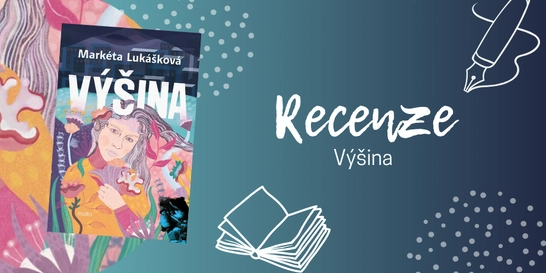
Pokud nevíte, zda sáhnout po „nové Lukáškové“, váš osobní...

Tahle kniha se ke mně původně dostala jen proto, abych ji předala někomu z...

Nestihli jste naše žhavé literární odpoledne na Masarykově nádraží, nebo...

Po dočtení poslední knihy, která byla na můj vkus až příliš...
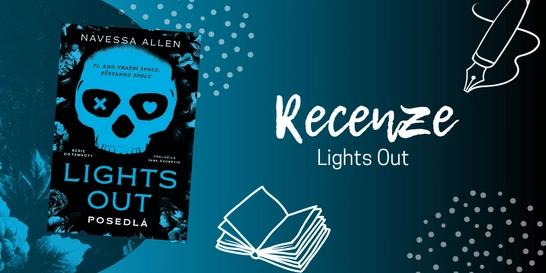
Už jste také někdy spadli do pasti algoritmu sociálních sítí? Znáte to....
Ne vždycky má člověk chuť vyrážet na nákup do obchodního centra. Někdy...
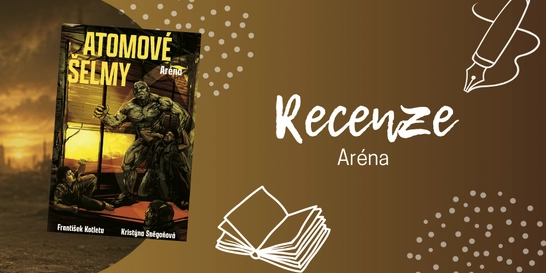
Pokud jste unavení ze všech těch varování, že světu hrozí atomová válka...
4 785 Kč s DPH
Jsme transparentní
Toužil po klidu, ale čeká ho pořádný cirkus
Co se stane, když vražedná cirkusačka skončí v péči pohledného chirurga Fionna Kanea. Vyléčí kromě její zlomené nohy i své zlomené srdce?

Mohlo by vás zajímat
První detektivka od královny české fantastiky
Příběh, jaký by napsala Agatha Christie, kdyby chtěla, aby byl její hrdina Čech s krizí středního věku.
Mohlo by vás zajímat
Zběsilý postapo svět. Tvrdá pravidla.
Druhý díl, který přitvrzuje. Sněgoňová & Kotleta servírují Arénu, kde přežijí jen ti nejtvrdší. Ostatní skončí jako krmivo.
Mohlo by vás zajímat
Hola, amigo!
Seznamte se s Eliškou, Hugem a sovou Listillo – a objevte španělštinu s úsměvem.
Mohlo by vás zajímat
Modrá klasika do každé aktovky
Žádné zbytečné kouzlení, jen poctivý sešit pro každodenní psaní.
Mohlo by vás zajímat
Rychlejší než blesk!
Rozšiřte svou klasickou sadu o Speed Pack a dodejte vašemu UNO nový život.
Mohlo by vás zajímat
Královna oslavy!
Cleo září ve zlatém outfitu a přináší monstrózní narozeninovou radost. Přidejte ji do své sbírky Monster High a rozjeďte párty!
Mohlo by vás zajímat
Malý kousek galerie na knížky, drobnosti i menší nákup
Plátěná taška Paperblanks Natsu díky pevné bavlněné látce unese až 7 kg.
Každý měsíc společně přečteme tisíce knih






Tento web je chráněn službou reCAPTCHA a platí pro něj Zásady ochrany soukromí a Smluvní podmínky. | © 2001–2026 DOBROVSKÝ s.r.o. Všechna práva vyhrazena.






 KnihyDobrovsky.cz
 knihydobrovsky
 @knihydobrovskycz
 @knihydobrovsky