
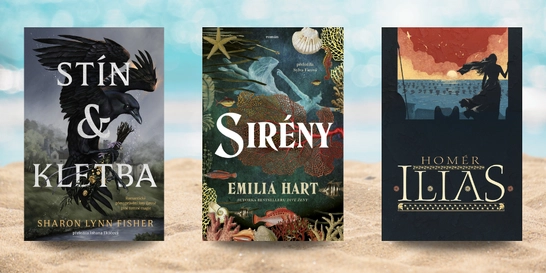
6 červencových novinek, které si přibalit na dovolenou
Slunce svítí, prázdniny jsou v plném proudu a spousta z nás si dopřává...



Kniha ( pevná vazba )


After 1688, Britain underwent a revolution in public finance, and the cost of borrowing declined sharply. Leading scholars have argued that easier credit for the government, made possible by better property-rights protection, lead to a rapid expansion of private credit. The Industrial Revolution, according to this view, is the result of the… Přejít na celý popis

5.0 z 5 hvězdiček
Voucher
5.0 z 5 hvězdiček
Voucher
5.0 z 5 hvězdiček
Voucher
5.0 z 5 hvězdiček
Voucher
After 1688, Britain underwent a revolution in public finance, and the cost of borrowing declined sharply. Leading scholars have argued that easier credit for the government, made possible by better property-rights protection, lead to a rapid expansion of private credit. The Industrial Revolution, according to this view, is the result of the preceding revolution in public finance.In Prometheus Shackled, prominent economic historians Peter Temin and Hans-Joachim Voth examine this hypothesis using new, detailed archival data from 18th century banks. They conclude the opposite: the financial revolution led to an explosion of public debt, but it stifled private credit. This led to markedly slower growth in the English economy. Temin and Voth collected detailed data from several goldsmith banks-Child''s, Gosling''s, Freame and Gould, Hoare''s, and Duncombe and Kent. The excellent records from Hoare''s, founded by Sir Richard Hoare in 1672, offer particular insight.Numerous entrants into the banking business tried their hand at deposit-taking and lending in the early 17th century; few survived and fewer thrived. Hoare''s and a small group of competitors did both. Temin and Voth chart the growth of the successful banks in the face of frequent wars and heavy-handed regulations. Their new data allows insights into the interaction between financial and economic development. Government regulations such as (a sharply lower) maximum interest rate caused severe misallocation of credit, and a misguided attempt to lighten the nation''s debt burden led directly to the South Sea Bubble in 1720. Frequent wars caused banks to call in loans, resulting in a sharply slower economic growth rate. Based on detailed micro-data, the authors present conclusive evidence that wartime borrowing crowded out investment. Far from fostering economic development, England''s financial revolution after 1688 did much to stifle it -- the Hanoverian "warfare state" was a key reason for slow growth during Britain''s Industrial Revolution. Prometheus Shackled is a revealing new take on one of the most important periods of economic and financial development.
0.0 z 5 0 hodnocení čtenářů
0× 5 hvězdiček 0× 4 hvězdičky 0× 3 hvězdičky 0× 2 hvězdičky 0× 1 hvezdička
Získejte přehled o vývoji ceny za posledních 60 dní.
Slunce svítí, prázdniny jsou v plném proudu a spousta z nás si dopřává...

Pokud vám seriál Heated Rivalry (Spalující rivalita) nedal spát a zhlédli...

Pokud nevíte, zda sáhnout po „nové Lukáškové“, váš osobní...

Tahle kniha se ke mně původně dostala jen proto, abych ji předala někomu z...

Nestihli jste naše žhavé literární odpoledne na Masarykově nádraží, nebo...
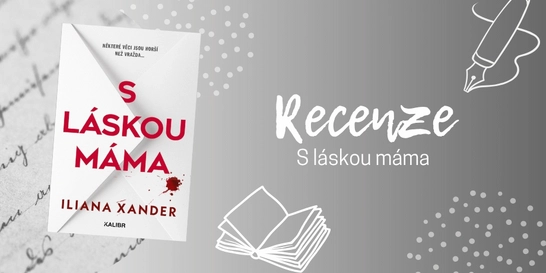
Po dočtení poslední knihy, která byla na můj vkus až příliš...
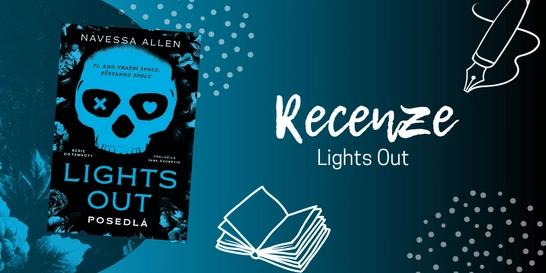
Už jste také někdy spadli do pasti algoritmu sociálních sítí? Znáte to....

Ne vždycky má člověk chuť vyrážet na nákup do obchodního centra. Někdy...
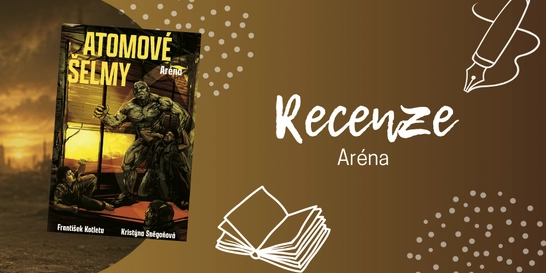
Pokud jste unavení ze všech těch varování, že světu hrozí atomová válka...
První detektivka od královny české fantastiky
Příběh, jaký by napsala Agatha Christie, kdyby chtěla, aby byl její hrdina Čech s krizí středního věku.

Mohlo by vás zajímat
Nová gotická dark romance
Mrtví živé učí. Anatomie hříchu v rukou nebezpečně přitažlivého patologa
Mohlo by vás zajímat
Léto na ranči měl být útěk od problémů..
Místo klidu ji čeká přitažlivý šerif, stará tajemství a pocit, že ji někdo sleduje.
Mohlo by vás zajímat
Matika, co počítá s budoucností.
Učebnice, která propojuje čísla, logiku i technologie. Protože i vzorce jdou s dobou.
Mohlo by vás zajímat
Ať víte, kdy je matika, keramika i posilovna
Rozvrhy, kroužky, poznámky i důležité termíny pěkně pohromadě. Praktický školní kalendář pomůže sladit povinnosti i volný čas bez zbytečného zmatku.
Mohlo by vás zajímat
UNO, tvrdší než kdy předtím
Nelítostné karty, brutální postihy, škodolibá radost a taktické bitvy!
Mohlo by vás zajímat
Mohlo by vás zajímat
Malý kousek galerie na knížky, drobnosti i menší nákup
Plátěná taška Paperblanks Natsu díky pevné bavlněné látce unese až 7 kg.
Každý měsíc společně přečteme tisíce knih







Tento web je chráněn službou reCAPTCHA a platí pro něj Zásady ochrany soukromí a Smluvní podmínky. | © 2001–2026 DOBROVSKÝ s.r.o. Všechna práva vyhrazena.






 KnihyDobrovsky.cz
 knihydobrovsky
 @knihydobrovskycz
 @knihydobrovsky