
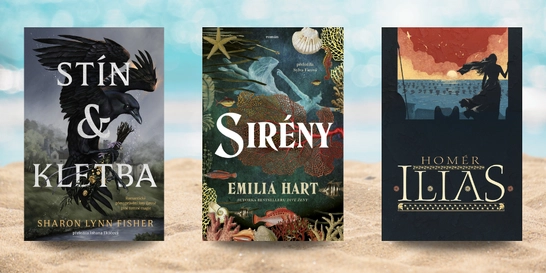
6 červencových novinek, které si přibalit na dovolenou
Slunce svítí, prázdniny jsou v plném proudu a spousta z nás si dopřává...



Kniha ( měkká vazba )


During the postwar era, the Soviet Union emerged as America’s sole threat, rendering the U.S. Army and Navy impotent against its vast military power. The anticipation of war stemmed from a potential Soviet invasion of Western Europe, supported by the Soviet Union’s substantial military capabilities. Acknowledging the impossibility of… Přejít na celý popis
During the postwar era, the Soviet Union emerged as America’s sole threat, rendering the U.S. Army and Navy impotent against its vast military power. The anticipation of war stemmed from a potential Soviet invasion of Western Europe, supported by the Soviet Union’s substantial military capabilities. Acknowledging the impossibility of stopping the Soviet Union in a conventional war, the U.S. developed a series of war plans outlining scenarios of massive nuclear retaliation. The U.S. Joint Chiefs of Staff released the war plan Pincher in June 1946, calling for land and sea forces to retreat before a Soviet offensive. Simultaneously, the Army Air Forces would drop atomic bombs on twenty Soviet industrial, government, and military centers from bases mainly in England. After strategic bombing damaged the Soviet Union, U.S. forces would be mobilized for a counteroffensive. In August 1947, the war plan Broiler reflected an increasing reliance on the atomic bomb, hoping the nuclear air offensive would stabilize the war in the first six months and possibly convince the Soviets to surrender. However, these plans remained theoretical due to the inadequacy of the U.S. atomic stockpile. The Strategic Air Command (SAC), reliant on B-29s, faced limitations. Because of the B-29’s limited range, SAC depended on overseas bases.
Additionally, only a single group was able to deliver the atomic bomb. Soviet awareness of American shortcomings prompted their expansion in Eastern Europe and escalated the discord among the Allies over Berlin. The Soviet blockade of Berlin in July 1948 and the Western reaction marked a turning point in the Cold War. Cees Steijger explores the circumstances that brought the world close to a third world war. Throughout the Cold War, humanity lived on the edge of collapse, narrowly avoiding apocalypse multiple times.
0.0 z 5 0 hodnocení čtenářů
0× 5 hvězdiček 0× 4 hvězdičky 0× 3 hvězdičky 0× 2 hvězdičky 0× 1 hvezdička
Získejte přehled o vývoji ceny za posledních 60 dní.
Slunce svítí, prázdniny jsou v plném proudu a spousta z nás si dopřává...

Pokud vám seriál Heated Rivalry (Spalující rivalita) nedal spát a zhlédli...

Pokud nevíte, zda sáhnout po „nové Lukáškové“, váš osobní...

Tahle kniha se ke mně původně dostala jen proto, abych ji předala někomu z...

Nestihli jste naše žhavé literární odpoledne na Masarykově nádraží, nebo...
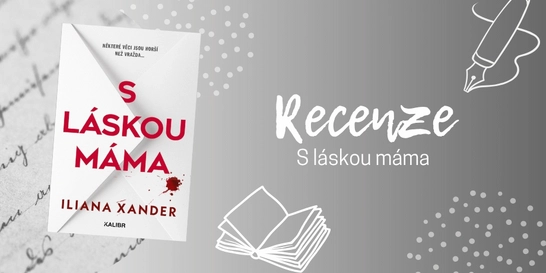
Po dočtení poslední knihy, která byla na můj vkus až příliš...
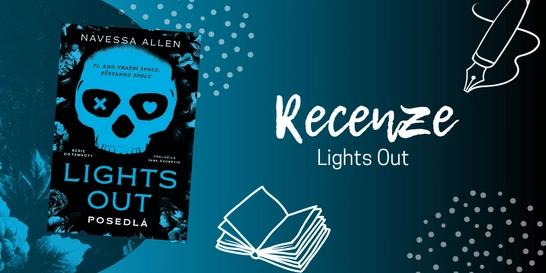
Už jste také někdy spadli do pasti algoritmu sociálních sítí? Znáte to....

Ne vždycky má člověk chuť vyrážet na nákup do obchodního centra. Někdy...
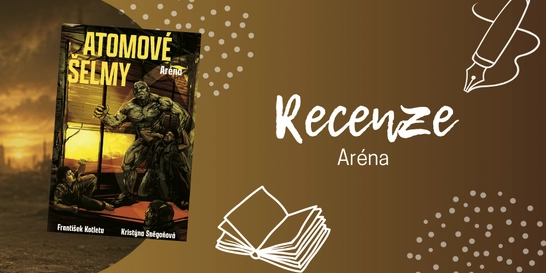
Pokud jste unavení ze všech těch varování, že světu hrozí atomová válka...
První detektivka od královny české fantastiky
Příběh, jaký by napsala Agatha Christie, kdyby chtěla, aby byl její hrdina Čech s krizí středního věku.

Mohlo by vás zajímat
První detektivka od královny české fantastiky
Příběh, jaký by napsala Agatha Christie, kdyby chtěla, aby byl její hrdina Čech s krizí středního věku.
Mohlo by vás zajímat
Tři ženy, pět století, jedno tajemství...
Dechberoucí příběh o ženské síle, odhodlání a hlubokém spojení s přírodou.
Mohlo by vás zajímat
Matika, co počítá s budoucností.
Učebnice, která propojuje čísla, logiku i technologie. Protože i vzorce jdou s dobou.
Mohlo by vás zajímat
Modrá klasika do každé aktovky
Žádné zbytečné kouzlení, jen poctivý sešit pro každodenní psaní.
Mohlo by vás zajímat
UNO, tvrdší než kdy předtím
Nelítostné karty, brutální postihy, škodolibá radost a taktické bitvy!
Mohlo by vás zajímat
Královna oslavy!
Cleo září ve zlatém outfitu a přináší monstrózní narozeninovou radost. Přidejte ji do své sbírky Monster High a rozjeďte párty!
Mohlo by vás zajímat
Kapitola u bazénu? Klidně.
Vodotěsné provedení vám dovolí číst u vody, na pláži i ve vaně bez zbytečných obav.
Každý měsíc společně přečteme tisíce knih







Tento web je chráněn službou reCAPTCHA a platí pro něj Zásady ochrany soukromí a Smluvní podmínky. | © 2001–2026 DOBROVSKÝ s.r.o. Všechna práva vyhrazena.






 KnihyDobrovsky.cz
 knihydobrovsky
 @knihydobrovskycz
 @knihydobrovsky