
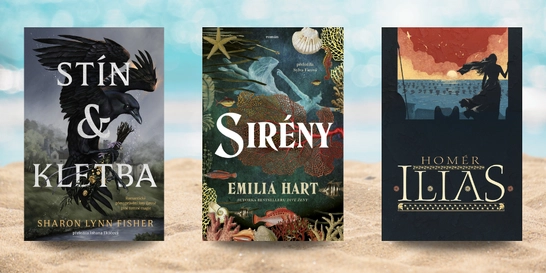
6 červencových novinek, které si přibalit na dovolenou
Slunce svítí, prázdniny jsou v plném proudu a spousta z nás si dopřává...



Kniha ( měkká vazba )
429 Kč s DPH
Jsme transparentní


This illustrated study investigates the Indo-Islamic fighting men of South Asia from the 7th century AD to the Mughal conquest of the 16th century.From 1206, much of what is now India as well as parts of Pakistan, Bangladesh and Nepal were ruled by a succession of Islamic dynasties that had their origins in the Ghurid forces that conquered… Přejít na celý popis

5.0 z 5 hvězdiček
Voucher
5.0 z 5 hvězdiček
Voucher
5.0 z 5 hvězdiček
Voucher
5.0 z 5 hvězdiček
Voucher
This illustrated study investigates the Indo-Islamic fighting men of South Asia from the 7th century AD to the Mughal conquest of the 16th century.From 1206, much of what is now India as well as parts of Pakistan, Bangladesh and Nepal were ruled by a succession of Islamic dynasties that had their origins in the Ghurid forces that conquered parts of northern India in the 12th century. Although it was never complete, the Islamic domination of this huge region also had a profound impact upon Islamic civilization as a whole, not least in military terms, being felt as far west as Africa. Within South Asia, the war-torn medieval centuries laid the foundations for the subsequent even more brilliant Mughal Empire.Featuring eight plates of superb artwork alongside carefully chosen photographs and illustrations, this study complements the same author''s Medieval Indian Armies (1): Hindu, Buddhist and Jain. It describes and illustrates the Indo-Islamic forces operating in South Asia, from the Umayyad Caliphate’s frontier in north-western India and Afghanistan in the late 7th century through to the Delhi Sultanate, the Sultanate of Bengal and the Bahmani Sultanate in the 15th and 16th centuries.David Nicolle explains how, with respect to arms, armour, fortification and transport both on land and at sea, the widely successful Muslim armies learned a great deal from their more numerous Hindu, Jain and Buddhist opponents. This was especially evident in developments such as the use of war-elephants and the adoption of lighter, often textile-based forms of protection such as ‘soft armour’ made of cotton. On the other side, there would be widespread adoption of more potent weapons such as the composite bow, and considerably more sophisticated systems of cavalry warfare, among the non-Islamic forces of the Indian sub-continent. Fully illustrated, this absorbing account casts light on many centuries of warfare in South Asia.
0.0 z 5 0 hodnocení čtenářů
0× 5 hvězdiček 0× 4 hvězdičky 0× 3 hvězdičky 0× 2 hvězdičky 0× 1 hvezdička
Získejte přehled o vývoji ceny za posledních 60 dní.
Slunce svítí, prázdniny jsou v plném proudu a spousta z nás si dopřává...

Pokud vám seriál Heated Rivalry (Spalující rivalita) nedal spát a zhlédli...
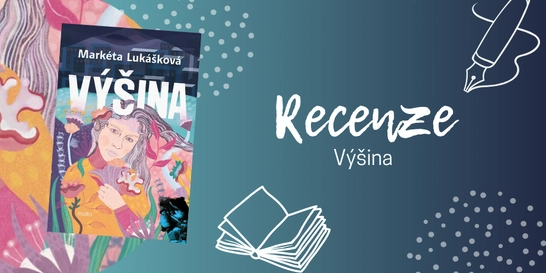
Pokud nevíte, zda sáhnout po „nové Lukáškové“, váš osobní...

Tahle kniha se ke mně původně dostala jen proto, abych ji předala někomu z...

Nestihli jste naše žhavé literární odpoledne na Masarykově nádraží, nebo...
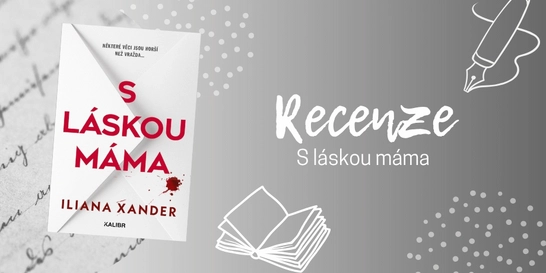
Po dočtení poslední knihy, která byla na můj vkus až příliš...

Už jste také někdy spadli do pasti algoritmu sociálních sítí? Znáte to....
Ne vždycky má člověk chuť vyrážet na nákup do obchodního centra. Někdy...
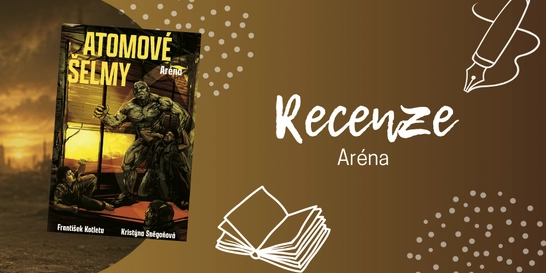
Pokud jste unavení ze všech těch varování, že světu hrozí atomová válka...
Každý konec je začátek něčeho nového
Po smrti manžela odjíždí Pixie na francouzský zámek, který spolu koupili. Místo nového začátku tam ale objeví tajemství, které jí převrátí celý život.

Mohlo by vás zajímat
Zběsilá postapo jízda pokračuje
Hřbitov není místo pro slabé povahy ani pro romantické procházky za soumraku. Postapo nářez plný mutací, šílenství a bohů, kteří možná nikdy neměli být probuzeni.
Mohlo by vás zajímat
Zběsilý postapo svět. Tvrdá pravidla.
Druhý díl, který přitvrzuje. Sněgoňová & Kotleta servírují Arénu, kde přežijí jen ti nejtvrdší. Ostatní skončí jako krmivo.
Mohlo by vás zajímat
Hola, amigo!
Seznamte se s Eliškou, Hugem a sovou Listillo – a objevte španělštinu s úsměvem.
Mohlo by vás zajímat
Ať víte, kdy je matika, keramika i posilovna
Rozvrhy, kroužky, poznámky i důležité termíny pěkně pohromadě. Praktický školní kalendář pomůže sladit povinnosti i volný čas bez zbytečného zmatku.
Mohlo by vás zajímat
UNO, tvrdší než kdy předtím
Nelítostné karty, brutální postihy, škodolibá radost a taktické bitvy!
Mohlo by vás zajímat
Mohlo by vás zajímat
Kapitola u bazénu? Klidně.
Vodotěsné provedení vám dovolí číst u vody, na pláži i ve vaně bez zbytečných obav.
Každý měsíc společně přečteme tisíce knih







Tento web je chráněn službou reCAPTCHA a platí pro něj Zásady ochrany soukromí a Smluvní podmínky. | © 2001–2026 DOBROVSKÝ s.r.o. Všechna práva vyhrazena.






 KnihyDobrovsky.cz
 knihydobrovsky
 @knihydobrovskycz
 @knihydobrovsky