

6 červencových novinek, které si přibalit na dovolenou
Slunce svítí, prázdniny jsou v plném proudu a spousta z nás si dopřává...



Kniha ( pevná vazba )


Excavations at 1–2 and 3 Redcliff Street, Bristol, crossed a number of historic properties and revealed domestic and industrial remains dating from the establishment of the Redcliffe suburb in the 12th century through to the later post-medieval period. Cloth-dying was the dominant industry in Redcliffe in the 12th and 13th centuries, and… Přejít na celý popis

5.0 z 5 hvězdiček
Voucher
5.0 z 5 hvězdiček
Voucher
5.0 z 5 hvězdiček
Voucher
5.0 z 5 hvězdiček
Voucher
Excavations at 1–2 and 3 Redcliff Street, Bristol, crossed a number of historic properties and revealed domestic and industrial remains dating from the establishment of the Redcliffe suburb in the 12th century through to the later post-medieval period. Cloth-dying was the dominant industry in Redcliffe in the 12th and 13th centuries, and the well preserved remains of dye-stuffs as well as leather shoes and off-cuts from a cobbler’s workshop were recovered from water-logged pit fills. The pits also yielded the largest assemblage of pottery of its kind from the city to date. The presence of stone-built dye-vat hearths suggest that cloth dyeing continued into the 14th century, when a pair of substantial town houses were also built. Late 14th-century remains include a furnace for lead-bronze casting, which produced cauldrons, posnets and smaller items, including candlesticks, and heralded a new phase of industry that became the pre-eminent activity for the next 200 years. The reverberatory furnaces are amongst the earliest examples of this advanced form of furnace known in Britain. In the 17th century, historic properties were amalgamated to establish a sugar refinery. Other significant aspects of the site evidence include the re-use of architectural fragments from the medieval church of St Thomas, and a large assemblage of clay-pipe kiln material. The discussion and interpretation of the excavated remains is augmented by documentary and historical research which, combined with evidence from other excavations in Redcliffe, further enriches the story of the urban development and economic history of this important suburb of Bristol.
0.0 z 5 0 hodnocení čtenářů
0× 5 hvězdiček 0× 4 hvězdičky 0× 3 hvězdičky 0× 2 hvězdičky 0× 1 hvezdička
Získejte přehled o vývoji ceny za posledních 60 dní.
Slunce svítí, prázdniny jsou v plném proudu a spousta z nás si dopřává...

Pokud vám seriál Heated Rivalry (Spalující rivalita) nedal spát a zhlédli...
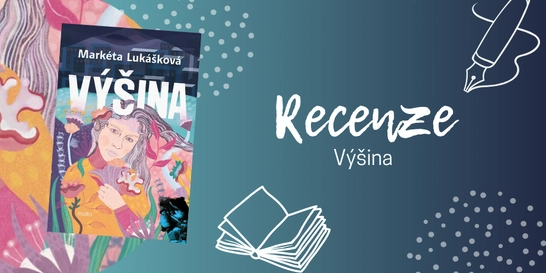
Pokud nevíte, zda sáhnout po „nové Lukáškové“, váš osobní...

Tahle kniha se ke mně původně dostala jen proto, abych ji předala někomu z...

Nestihli jste naše žhavé literární odpoledne na Masarykově nádraží, nebo...
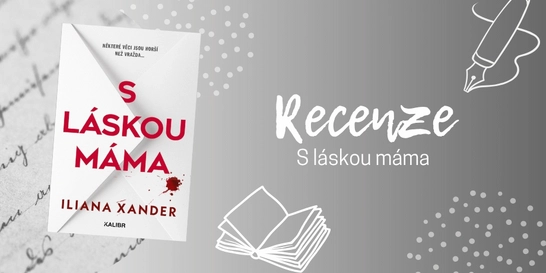
Po dočtení poslední knihy, která byla na můj vkus až příliš...

Už jste také někdy spadli do pasti algoritmu sociálních sítí? Znáte to....
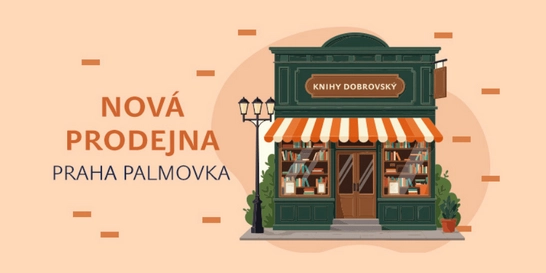
Ne vždycky má člověk chuť vyrážet na nákup do obchodního centra. Někdy...
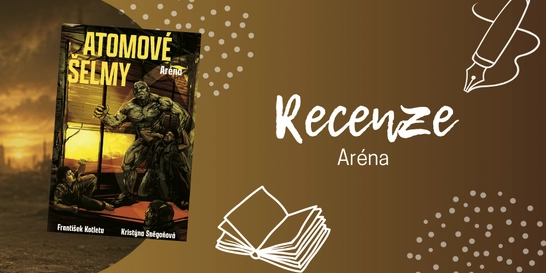
Pokud jste unavení ze všech těch varování, že světu hrozí atomová válka...
Nový román Viktorie Hanišové
Když se její otec upálí před Poslaneckou sněmovnou, začne Lada hledat důvody jeho činu.

Mohlo by vás zajímat
Nová gotická dark romance
Mrtví živé učí. Anatomie hříchu v rukou nebezpečně přitažlivého patologa
Mohlo by vás zajímat
Léto na ranči měl být útěk od problémů..
Místo klidu ji čeká přitažlivý šerif, stará tajemství a pocit, že ji někdo sleduje.
Mohlo by vás zajímat
Matika, co počítá s budoucností.
Učebnice, která propojuje čísla, logiku i technologie. Protože i vzorce jdou s dobou.
Mohlo by vás zajímat
Ať víte, kdy je matika, keramika i posilovna
Rozvrhy, kroužky, poznámky i důležité termíny pěkně pohromadě. Praktický školní kalendář pomůže sladit povinnosti i volný čas bez zbytečného zmatku.
Mohlo by vás zajímat
UNO, tvrdší než kdy předtím
Nelítostné karty, brutální postihy, škodolibá radost a taktické bitvy!
Mohlo by vás zajímat
Mohlo by vás zajímat
Malý kousek galerie na knížky, drobnosti i menší nákup
Plátěná taška Paperblanks Natsu díky pevné bavlněné látce unese až 7 kg.
Každý měsíc společně přečteme tisíce knih







Tento web je chráněn službou reCAPTCHA a platí pro něj Zásady ochrany soukromí a Smluvní podmínky. | © 2001–2026 DOBROVSKÝ s.r.o. Všechna práva vyhrazena.






 KnihyDobrovsky.cz
 knihydobrovsky
 @knihydobrovskycz
 @knihydobrovsky