
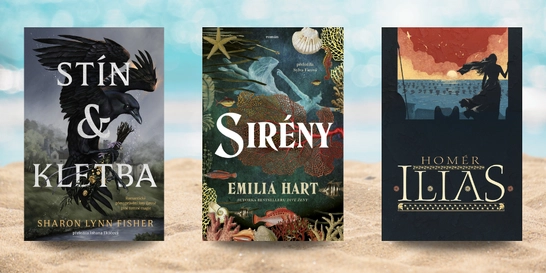
6 červencových novinek, které si přibalit na dovolenou
Slunce svítí, prázdniny jsou v plném proudu a spousta z nás si dopřává...



Kniha ( pevná vazba )


The subjects of the essays in Latin American Shakespeares range from the nineteenth century through the present; from high- to middle- to low-brow stories, plays, films, and poems; from Mexico to Argentina, Chile, Cuba, the U.S. barrio, and diverse sections of Brazil; from artists deservedly famous to artists undeservedly obscure. Shakespeare… Přejít na celý popis
The subjects of the essays in Latin American Shakespeares range from the nineteenth century through the present; from high- to middle- to low-brow stories, plays, films, and poems; from Mexico to Argentina, Chile, Cuba, the U.S. barrio, and diverse sections of Brazil; from artists deservedly famous to artists undeservedly obscure. Shakespeare in Latin America is often implicated in struggles for power - tangentially or directly - and therefore swells the story of world wide political Shakespeare. For Latin American artists, the Shakespearean legacy is available for co-optation not only through parody, adaptation, and both reverent and irreverent (re)creation but also through absorption into unique indigenous genres. Rick J. Santos in his introduction writes of mestizo Shakespeare - mixed as are the native, colonial, and immigrant populations throughout Latin America. In part 1, Jose Roberto O'Shea queries whether the father of Brazilian theatre can be an impresario who performed Shakespeare rather than encouraging native writers. Roberto Ferreira da Rocha explores how a planned political statement against a military dictatorship failed to make its point. Jesus Tronch-Perez discusses the independence of two adaptors of Hamlet who push the view of the inactive prince to its limits. Gregary J. Racz explains how Pablo Neruda acted upon his understanding of Romeo and Juliet as an exemplar of his views about society. Juan J. Zaro explores political exile Leon Felipe's spiritual rather than political approach. Catherine Boyle examines the translation of Lear by Nicanor Parra during the transitional period after the fall of the Pinochet dictatorship. Margarida Gandara Rauen offers a close-up view of Guilherme Schiffer Duraes's transgressive use of Caliban. In part 2, Grace Tiffany explores Borges's oeuvre widely and deeply, confirming the fiction writer's fascination with the poet-playwright. Jose Luiz Passos clarifies the debt of Brazilian realist novelist Joaquim Maria Machado de
0.0 z 5 0 hodnocení čtenářů
0× 5 hvězdiček 0× 4 hvězdičky 0× 3 hvězdičky 0× 2 hvězdičky 0× 1 hvezdička
Získejte přehled o vývoji ceny za posledních 60 dní.
Slunce svítí, prázdniny jsou v plném proudu a spousta z nás si dopřává...

Pokud vám seriál Heated Rivalry (Spalující rivalita) nedal spát a zhlédli...

Pokud nevíte, zda sáhnout po „nové Lukáškové“, váš osobní...

Tahle kniha se ke mně původně dostala jen proto, abych ji předala někomu z...

Nestihli jste naše žhavé literární odpoledne na Masarykově nádraží, nebo...
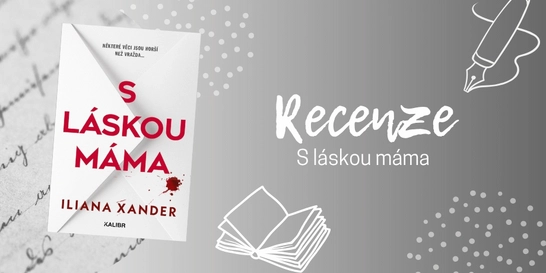
Po dočtení poslední knihy, která byla na můj vkus až příliš...

Už jste také někdy spadli do pasti algoritmu sociálních sítí? Znáte to....

Ne vždycky má člověk chuť vyrážet na nákup do obchodního centra. Někdy...
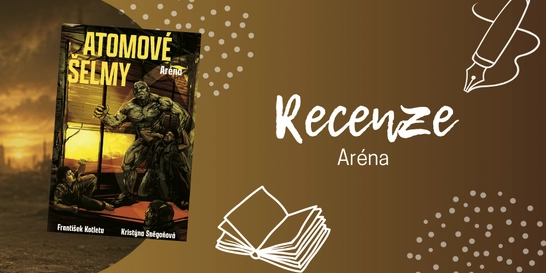
Pokud jste unavení ze všech těch varování, že světu hrozí atomová válka...
Elitní baletka. Záchranář, který ji kdysi ztratil. A city, které nezmizely.
Allie celý život bojovala o dokonalost, dokud její kariéru neohrozilo vážné zranění. A právě ve chvíli, kdy se jí začíná rozpadat svět, znovu vstoupí do jejího života Hudson.

Mohlo by vás zajímat
První detektivka od královny české fantastiky
Příběh, jaký by napsala Agatha Christie, kdyby chtěla, aby byl její hrdina Čech s krizí středního věku.
Mohlo by vás zajímat
Zběsilá postapo jízda pokračuje
Hřbitov není místo pro slabé povahy ani pro romantické procházky za soumraku. Postapo nářez plný mutací, šílenství a bohů, kteří možná nikdy neměli být probuzeni.
Mohlo by vás zajímat
Matika, co počítá s budoucností.
Učebnice, která propojuje čísla, logiku i technologie. Protože i vzorce jdou s dobou.
Mohlo by vás zajímat
Ať víte, kdy je matika, keramika i posilovna
Rozvrhy, kroužky, poznámky i důležité termíny pěkně pohromadě. Praktický školní kalendář pomůže sladit povinnosti i volný čas bez zbytečného zmatku.
Mohlo by vás zajímat
Rychlejší než blesk!
Rozšiřte svou klasickou sadu o Speed Pack a dodejte vašemu UNO nový život.
Mohlo by vás zajímat
Královna oslavy!
Cleo září ve zlatém outfitu a přináší monstrózní narozeninovou radost. Přidejte ji do své sbírky Monster High a rozjeďte párty!
Mohlo by vás zajímat
Malý kousek galerie na knížky, drobnosti i menší nákup
Plátěná taška Paperblanks Natsu díky pevné bavlněné látce unese až 7 kg.
Každý měsíc společně přečteme tisíce knih







Tento web je chráněn službou reCAPTCHA a platí pro něj Zásady ochrany soukromí a Smluvní podmínky. | © 2001–2026 DOBROVSKÝ s.r.o. Všechna práva vyhrazena.






 KnihyDobrovsky.cz
 knihydobrovsky
 @knihydobrovskycz
 @knihydobrovsky