

6 červencových novinek, které si přibalit na dovolenou
Slunce svítí, prázdniny jsou v plném proudu a spousta z nás si dopřává...



Kniha ( měkká vazba )
1 584 Kč s DPH
Jsme transparentní


As industrialization began to evolve in the early nineteenth century, engineers were urgently needed to integrate science into the field of construction. They needed to learn how to innovate and understand the new material—iron. Industrializing Iron Construction at the École Centrale Paris, 1829–1865 explains a novel response to that need… Přejít na celý popis

5.0 z 5 hvězdiček
Voucher
5.0 z 5 hvězdiček
Voucher
5.0 z 5 hvězdiček
Voucher
5.0 z 5 hvězdiček
Voucher
As industrialization began to evolve in the early nineteenth century, engineers were urgently needed to integrate science into the field of construction. They needed to learn how to innovate and understand the new material—iron. Industrializing Iron Construction at the École Centrale Paris, 1829–1865 explains a novel response to that need, a successful new school to educate civil and structural engineers, architects, contractors, and industrialists who would become major players in the development of modern iron construction. Among them were two of the most prominent creators of our modern world—Eiffel, of the thousand-foot tower, and Jenney, of Chicago skyscraper fame. The École Centrale des Arts et Manufactures in Paris created a unique pedagogy that taught not only how to solve problems, but how to innovate. This is the lively account of how that happened. It traces the sources of French education in engineering and architecture and follows the careers and ideas of the chief players. Familiar faces like the architect Jean-Nicolas Louis Durand, the École Polytechnique's founder Gaspard Monge, the bridge builder Jean-Rodolphe Perronet, and the theoretician Gaspard Riche de Prony appear in a new light. Half-remembered pioneers like the railway builder Eugène Flachat gain prominence. Forgotten innovators like César Leblanc, the creator of technical drafting, or Alphonse Halbou, who patented the rolled I-beam, resurface. New names like Auguste Perdonnet, a railway promotor, the theoretician Jean-Baptiste Bélanger, or the three-generation Roussel contracting family emerge. Even the French empress Eugénie takes an active part in the development. The school's success was a product of the interaction of its pioneers, their collaborations, and their clashes. Industrializing Iron Construction at the École Centrale Paris, 1829–1865 uncovers new sources to view icons of nineteenth-century construction from a fresh perspective. Structures we know so well suddenly emerge in a new light. The reading room of the Bibliothèque nationale de France, the iron-framed Moulin Menier, or the record-spanning Galerie des Machines point the way to a new understanding of structure and construction. A brand-new school created by an enthusiastically motivated group of innovators initiated our modern age in engineering and architectural education.
0.0 z 5 0 hodnocení čtenářů
0× 5 hvězdiček 0× 4 hvězdičky 0× 3 hvězdičky 0× 2 hvězdičky 0× 1 hvezdička
Získejte přehled o vývoji ceny za posledních 60 dní.
Slunce svítí, prázdniny jsou v plném proudu a spousta z nás si dopřává...

Pokud vám seriál Heated Rivalry (Spalující rivalita) nedal spát a zhlédli...

Pokud nevíte, zda sáhnout po „nové Lukáškové“, váš osobní...

Tahle kniha se ke mně původně dostala jen proto, abych ji předala někomu z...

Nestihli jste naše žhavé literární odpoledne na Masarykově nádraží, nebo...

Po dočtení poslední knihy, která byla na můj vkus až příliš...

Už jste také někdy spadli do pasti algoritmu sociálních sítí? Znáte to....

Ne vždycky má člověk chuť vyrážet na nákup do obchodního centra. Někdy...
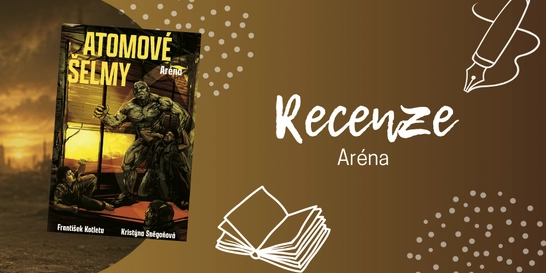
Pokud jste unavení ze všech těch varování, že světu hrozí atomová válka...
1 584 Kč s DPH
Jsme transparentní
Stromová města, rituální vraždy a zakázaná vášeň
Nová romantasy Šárky Przewozné vás vtáhne do světa bohů, proroctví a dávných lží, kde jediná dívka může změnit vše, čemu její rod po generace věřil.

Mohlo by vás zajímat
Zběsilá postapo jízda pokračuje
Hřbitov není místo pro slabé povahy ani pro romantické procházky za soumraku. Postapo nářez plný mutací, šílenství a bohů, kteří možná nikdy neměli být probuzeni.
Mohlo by vás zajímat
Léto na ranči měl být útěk od problémů..
Místo klidu ji čeká přitažlivý šerif, stará tajemství a pocit, že ji někdo sleduje.
Mohlo by vás zajímat
Učebnice, co drží krok s dobou.
Nová generace učebnic, která jede podle nejnovějšího RVP, ne podle Windows 95.
Mohlo by vás zajímat
Ať víte, kdy je matika, keramika i posilovna
Rozvrhy, kroužky, poznámky i důležité termíny pěkně pohromadě. Praktický školní kalendář pomůže sladit povinnosti i volný čas bez zbytečného zmatku.
Mohlo by vás zajímat
UNO, tvrdší než kdy předtím
Nelítostné karty, brutální postihy, škodolibá radost a taktické bitvy!
Mohlo by vás zajímat
Mohlo by vás zajímat
Barevná zábava pro malé umělce
Ideální aktivita na klidné odpoledne, deštivý den nebo kreativní chvilku bez obrazovek.
Každý měsíc společně přečteme tisíce knih







Tento web je chráněn službou reCAPTCHA a platí pro něj Zásady ochrany soukromí a Smluvní podmínky. | © 2001–2026 DOBROVSKÝ s.r.o. Všechna práva vyhrazena.






 KnihyDobrovsky.cz
 knihydobrovsky
 @knihydobrovskycz
 @knihydobrovsky