
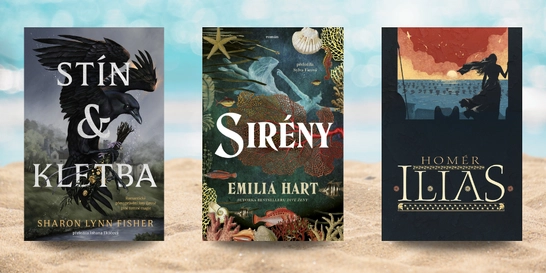
6 červencových novinek, které si přibalit na dovolenou
Slunce svítí, prázdniny jsou v plném proudu a spousta z nás si dopřává...



Kniha ( pevná vazba )


Interrogates the global, and often controversial, phenomenon of Holocaust and human rights museums Spanning six continents—Europe, Australia, Africa, Asia, North America, and South America—this edited collection offers a comparative, transnational study of Holocaust and human rights museums that foregrounds the overlapping and… Přejít na celý popis

5.0 z 5 hvězdiček
Voucher
5.0 z 5 hvězdiček
Voucher
Interrogates the global, and often controversial, phenomenon of Holocaust and human rights museums Spanning six continents—Europe, Australia, Africa, Asia, North America, and South America—this edited collection offers a comparative, transnational study of Holocaust and human rights museums that foregrounds the overlapping and often contested work these institutions do in narrating and memorializing histories of genocide and human rights abuses for a public audience. Museums that link the Holocaust with social justice, human rights, and genocide prevention have been founded in many countries—for example, the Kazerne Dossin Memorial Museum in Belgium, the Anne Frank House in the Netherlands, and the Johannesburg Holocaust and Genocide Centre in South Africa—making Holocaust and human rights museums a global phenomenon. It is not uncommon for these institutions to court controversy by linking the Holocaust to human rights issues in their locales and abroad.
Some begin from a "Holocaust core" and extrapolate from this history to address broader concerns, while others integrate the Holocaust as "a" or, at times, "the" case study par excellence of human rights abuses. Other institutions that may not explicitly focus on the Holocaust continue to engage these representational practices to highlight other instances of genocide and human rights abuses. The case studies in this book illuminate the convergences between Holocaust and human rights museums in their demands for social justice and reparation, educational and activist purpose, design principles, and curatorial choices.
But it also shows how these museums can also be sites of contestation around how stories of suffering, courage, and survival are told; whose stories are prioritized; and who is consulted. Although Holocaust museums were once the most influential form of representation of human rights issues in the international museum and heritage fields, they are now in dialogue—visually, spatially, methodologically—with museums and memorial sites concerned with human rights more broadly. Interrogating debates in both museology and Holocaust memory studies, this volume reveals how institutions dedicated to these concerns have become active and influential contributors to local, national, and transnational dialogues about human rights.
Contributors: Avril Alba, Brook Andrew, Jennifer Barrett, Jennifer Carter, Danielle Celermajer, Steven Cooke, Donna-Lee Frieze, Shirli Gilbert, Sulamith Graefenstein, Christoph Hanzig, Vannessa Hearman, Rosanne Kennedy, Marcia Langton, Edwina Light, Wendy Lipworth, A. Dirk Moses, Tali Nates, Jessica Neath, Michael Robertson, Amy Sodaro, Garry Walter.
0.0 z 5 0 hodnocení čtenářů
0× 5 hvězdiček 0× 4 hvězdičky 0× 3 hvězdičky 0× 2 hvězdičky 0× 1 hvezdička
Získejte přehled o vývoji ceny za posledních 60 dní.
Slunce svítí, prázdniny jsou v plném proudu a spousta z nás si dopřává...

Pokud vám seriál Heated Rivalry (Spalující rivalita) nedal spát a zhlédli...
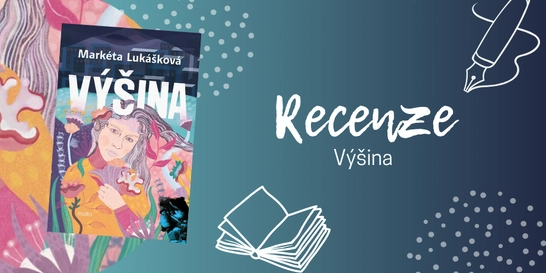
Pokud nevíte, zda sáhnout po „nové Lukáškové“, váš osobní...

Tahle kniha se ke mně původně dostala jen proto, abych ji předala někomu z...

Nestihli jste naše žhavé literární odpoledne na Masarykově nádraží, nebo...
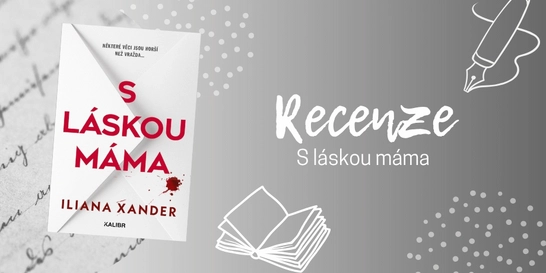
Po dočtení poslední knihy, která byla na můj vkus až příliš...
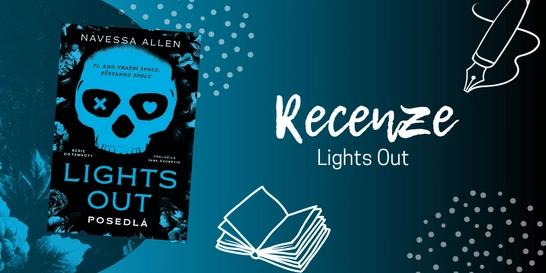
Už jste také někdy spadli do pasti algoritmu sociálních sítí? Znáte to....
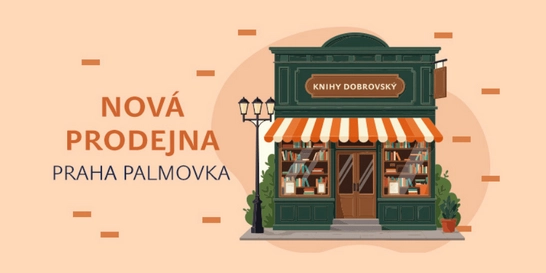
Ne vždycky má člověk chuť vyrážet na nákup do obchodního centra. Někdy...
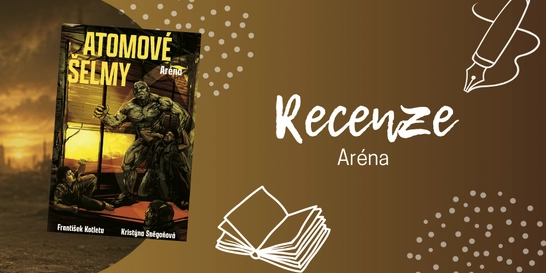
Pokud jste unavení ze všech těch varování, že světu hrozí atomová válka...
Nový román Viktorie Hanišové
Když se její otec upálí před Poslaneckou sněmovnou, začne Lada hledat důvody jeho činu.

Mohlo by vás zajímat
Caraval vrcholí!
Tella, Scarlett i Legenda stojí před rozhodnutími, která změní jejich osudy. Ve hře je láska, moc i budoucnost celého království.
Mohlo by vás zajímat
Zběsilá postapo jízda pokračuje
Hřbitov není místo pro slabé povahy ani pro romantické procházky za soumraku. Postapo nářez plný mutací, šílenství a bohů, kteří možná nikdy neměli být probuzeni.
Mohlo by vás zajímat
Hola, amigo!
Seznamte se s Eliškou, Hugem a sovou Listillo – a objevte španělštinu s úsměvem.
Mohlo by vás zajímat
Ať víte, kdy je matika, keramika i posilovna
Rozvrhy, kroužky, poznámky i důležité termíny pěkně pohromadě. Praktický školní kalendář pomůže sladit povinnosti i volný čas bez zbytečného zmatku.
Mohlo by vás zajímat
Rychlejší než blesk!
Rozšiřte svou klasickou sadu o Speed Pack a dodejte vašemu UNO nový život.
Mohlo by vás zajímat
Královna oslavy!
Cleo září ve zlatém outfitu a přináší monstrózní narozeninovou radost. Přidejte ji do své sbírky Monster High a rozjeďte párty!
Mohlo by vás zajímat
Barevná zábava pro malé umělce
Ideální aktivita na klidné odpoledne, deštivý den nebo kreativní chvilku bez obrazovek.
Každý měsíc společně přečteme tisíce knih






Tento web je chráněn službou reCAPTCHA a platí pro něj Zásady ochrany soukromí a Smluvní podmínky. | © 2001–2026 DOBROVSKÝ s.r.o. Všechna práva vyhrazena.






 KnihyDobrovsky.cz
 knihydobrovsky
 @knihydobrovskycz
 @knihydobrovsky