

6 červencových novinek, které si přibalit na dovolenou
Slunce svítí, prázdniny jsou v plném proudu a spousta z nás si dopřává...



Kniha ( měkká vazba )
4 785 Kč s DPH
Jsme transparentní


This report presents the results of an evaluation of technologies that may result in less biomass production in activated sludge processes. The report summarizes the results of a comprehensive literature review that was done to evaluate technologies in terms of their sludge reduction potential, ease of implementation, impacts on plant… Přejít na celý popis

5.0 z 5 hvězdiček
Voucher
5.0 z 5 hvězdiček
Voucher
5.0 z 5 hvězdiček
Voucher
5.0 z 5 hvězdiček
Voucher
This report presents the results of an evaluation of technologies that may result in less biomass production in activated sludge processes. The report summarizes the results of a comprehensive literature review that was done to evaluate technologies in terms of their sludge reduction potential, ease of implementation, impacts on plant operations and effluent quality, reliability, and relative capital and operating costs. Reporting testing results supported significant biomass reduction by processes using chemical and thermal methods, higher life forms (predator processes), anaerobic instead of aerobic respiration, and extreme solids retention times, but biomass reduction for enhanced biological phosphorus removal (EBPR) processes and a mechanical disintegration process were less conclusive. The predator enhancement process showed promise for industrial wastewater treatment, but is less attractive for municipal wastewater treatment for which a lower soluble COD fraction is present. Extreme solids retention time processes may be practical for small wastewater flows and perhaps with the use of membrane separation technology. Anaerobic treatment processes are known to have a lower biomass yield (one fourth or a less than for aerobic treatment), but work is needed to develop their applications for low strength, low temperature wastewaters, such as in municipal wastewater treatment. For some processes such as the cell disruption using mechanical, thermal, and chemical means, the cost of implementing the biomass reduction technology was greater than the cost savings associated with less sludge production. Addition of chemical uncouplers can greatly reduce biomass production, but pose problems of toxic chemicals in the treated effluent. In a series of bench-scale tests carried out at the Seattle West Point wastewater treatment facility and the University of Washington environmental engineering laboratories the presence and mechanism of COD loss (and subsequent less biomass production) in the anaerobic zone of EBPR processes was investigated. The results of the test work and fundamental evaluation could not support previous claims of a COD loss in EBPR processes, nor was less sludge production observed.
0.0 z 5 0 hodnocení čtenářů
0× 5 hvězdiček 0× 4 hvězdičky 0× 3 hvězdičky 0× 2 hvězdičky 0× 1 hvezdička
Získejte přehled o vývoji ceny za posledních 60 dní.
Slunce svítí, prázdniny jsou v plném proudu a spousta z nás si dopřává...

Pokud vám seriál Heated Rivalry (Spalující rivalita) nedal spát a zhlédli...
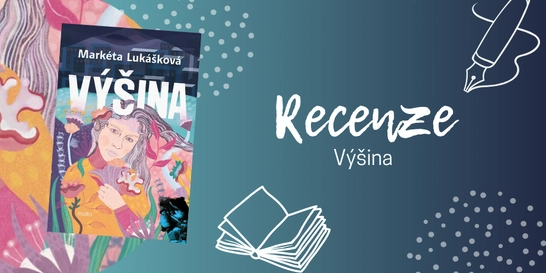
Pokud nevíte, zda sáhnout po „nové Lukáškové“, váš osobní...

Tahle kniha se ke mně původně dostala jen proto, abych ji předala někomu z...

Nestihli jste naše žhavé literární odpoledne na Masarykově nádraží, nebo...
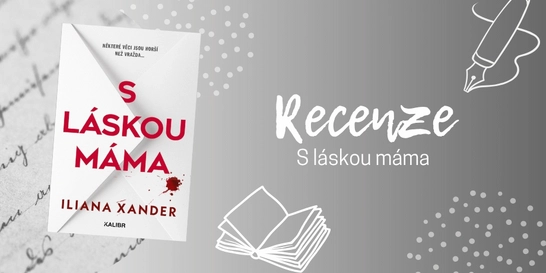
Po dočtení poslední knihy, která byla na můj vkus až příliš...
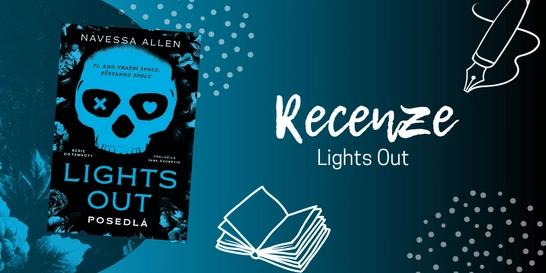
Už jste také někdy spadli do pasti algoritmu sociálních sítí? Znáte to....

Ne vždycky má člověk chuť vyrážet na nákup do obchodního centra. Někdy...
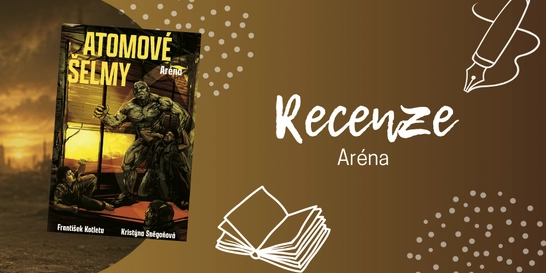
Pokud jste unavení ze všech těch varování, že světu hrozí atomová válka...
4 785 Kč s DPH
Jsme transparentní
První detektivka od královny české fantastiky
Příběh, jaký by napsala Agatha Christie, kdyby chtěla, aby byl její hrdina Čech s krizí středního věku.

Mohlo by vás zajímat
Nový román Viktorie Hanišové
Když se její otec upálí před Poslaneckou sněmovnou, začne Lada hledat důvody jeho činu.
Mohlo by vás zajímat
Léto na ranči měl být útěk od problémů..
Místo klidu ji čeká přitažlivý šerif, stará tajemství a pocit, že ji někdo sleduje.
Mohlo by vás zajímat
Hola, amigo!
Seznamte se s Eliškou, Hugem a sovou Listillo – a objevte španělštinu s úsměvem.
Mohlo by vás zajímat
Modrá klasika do každé aktovky
Žádné zbytečné kouzlení, jen poctivý sešit pro každodenní psaní.
Mohlo by vás zajímat
Rychlejší než blesk!
Rozšiřte svou klasickou sadu o Speed Pack a dodejte vašemu UNO nový život.
Mohlo by vás zajímat
Královna oslavy!
Cleo září ve zlatém outfitu a přináší monstrózní narozeninovou radost. Přidejte ji do své sbírky Monster High a rozjeďte párty!
Mohlo by vás zajímat
Malý kousek galerie na knížky, drobnosti i menší nákup
Plátěná taška Paperblanks Natsu díky pevné bavlněné látce unese až 7 kg.
Každý měsíc společně přečteme tisíce knih






Tento web je chráněn službou reCAPTCHA a platí pro něj Zásady ochrany soukromí a Smluvní podmínky. | © 2001–2026 DOBROVSKÝ s.r.o. Všechna práva vyhrazena.






 KnihyDobrovsky.cz
 knihydobrovsky
 @knihydobrovskycz
 @knihydobrovsky