
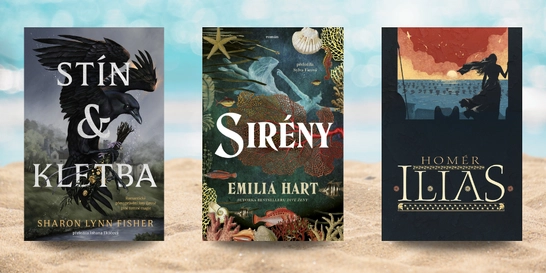
6 červencových novinek, které si přibalit na dovolenou
Slunce svítí, prázdniny jsou v plném proudu a spousta z nás si dopřává...



Kniha ( měkká vazba )


The Visigoth settlement in the Iberian Peninsula and its relationship with the archaeological record of the 5th-6th centuries AD continues to be one of the most controversial issues in Spanish archaeology. The controversy relates to politics as much as it relates to archaeological research with two points remaining particularly controversial:… Přejít na celý popis

5.0 z 5 hvězdiček
Voucher
5.0 z 5 hvězdiček
Voucher
5.0 z 5 hvězdiček
Voucher
5.0 z 5 hvězdiček
Voucher
The Visigoth settlement in the Iberian Peninsula and its relationship with the archaeological record of the 5th-6th centuries AD continues to be one of the most controversial issues in Spanish archaeology. The controversy relates to politics as much as it relates to archaeological research with two points remaining particularly controversial: the alleged use of the Visigoth past by the Francoist intelligentsia as an ideological affirmation of the regime and the contribution of archaeologist Julio MartÃnez Santa-Olalla in supporting and enabling this re-interpretation of Visigothic archaeology. The purely archaeological aspect of the controversy relates to an archaeological interpretation, stemming from the ranks of the so-called New Archeology, of the Castilian necropoleis containing grave goods of Pontic-Danubian type. This interpretation places special emphasis on social and cultural phenomena above the ethnic criteria defended by the Vienna School. This volume approaches the ideological question that underlies these controversies, as well as their repercussions in the direction adopted by later archaeological investigations in relation to the history of Spain. The author attempts to deconstruct the work of MartÃnez Santa-Olalla and places it in the context of the scientific production of his time. At the same time, it relativizes the role played by the Visigoth period in the Francoist ideological construction. Once the discussion is framed in these terms, the author dedicates his study to a refutation of the cultural interpretation of the phenomenon of the Visigothic necropoleis of the Castilian plateau based on the archaeological data and by comparing this data with literary sources. The study also addresses two other historical problems that could be related to the Gothic settlement in the Castilian plateau: the creation of the bishopric of Segovia and the flourishing of the city of Toledo. | El asentamiento visigodo en la PenÃnsula Ibérica y su relación con el registro arqueológico de los siglos V-VI d.C. continúa siendo en la actualidad una de las cuestiones más controvertidas de la arqueologÃa española. Gran parte de esa controversia tiene que ver con aspectos que trascienden a la propia investigación arqueológica y nos sitúan en el plano de la polÃtica. AsÃ, a la hora de abordar el problema hay dos puntos que han resultado especialmente polémicos: la presunta utilización del pasado visigodo por parte de la intelectualidad franquista como afirmación ideológica del régimen y la contribución del arqueólogo burgalés Julio MartÃnez Santa-Olalla en la fijación del esquema de arqueologÃa visigoda. Por otro lado, el aspecto puramente arqueológico de la controversia tiene que ver con la interpretación que desde las filas de la denominada New Archaeology se viene realizando de las necrópolis castellanas con ajuares de tipo póntico-danubiano. Dicha interpretación hace especial hincapié en fenómenos sociales y culturales por encima de los criterios étnicos defendidos por la Escuela de Viena. El presente estudio aborda de forma lúcida la cuestión ideológica que subyace detrás de la polémica, asà como las repercusiones que ha tenido en la posterior dirección adoptada por la investigación arqueológica en relación con la propia historia de España. En este sentido, el autor realiza un ejercicio de deconstrucción de la figura de MartÃnez Santa-Olalla y lo sitúa en el contexto de la producción cientÃfica de su época. Al mismo tiempo, relativiza el papel desempeñado por el periodo visigodo en la construcción ideológica franquista. Una vez situada la discusión en estos términos, el autor dedica su estudio a una refutación de la interpretación en clave cultural del fenómeno de las necrópolis visigodas de la meseta castellana desde los propios datos arqueológicos y a partir del cotejo de estos datos con los testimonios que proporcionan las fuentes literarias. Además, el presente estudio aborda también otros dos problemas históricos que podrÃan estar relacionados con el asentamiento godo en la meseta castellana: la creación de la sede episcopal segoviana y el auge de la ciudad de Toledo.
0.0 z 5 0 hodnocení čtenářů
0× 5 hvězdiček 0× 4 hvězdičky 0× 3 hvězdičky 0× 2 hvězdičky 0× 1 hvezdička
Získejte přehled o vývoji ceny za posledních 60 dní.
Slunce svítí, prázdniny jsou v plném proudu a spousta z nás si dopřává...

Pokud vám seriál Heated Rivalry (Spalující rivalita) nedal spát a zhlédli...

Pokud nevíte, zda sáhnout po „nové Lukáškové“, váš osobní...

Tahle kniha se ke mně původně dostala jen proto, abych ji předala někomu z...

Nestihli jste naše žhavé literární odpoledne na Masarykově nádraží, nebo...
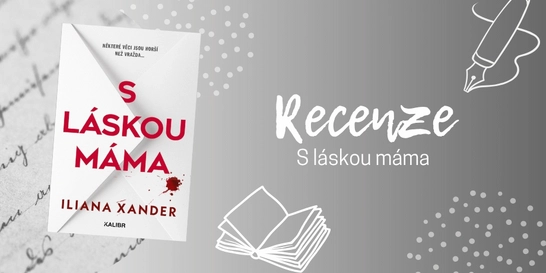
Po dočtení poslední knihy, která byla na můj vkus až příliš...
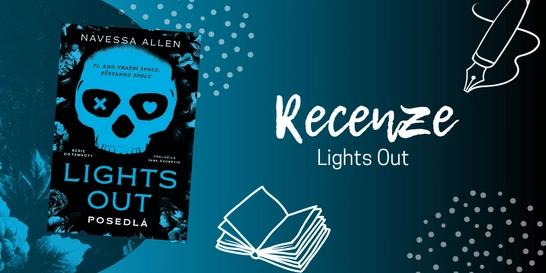
Už jste také někdy spadli do pasti algoritmu sociálních sítí? Znáte to....
Ne vždycky má člověk chuť vyrážet na nákup do obchodního centra. Někdy...
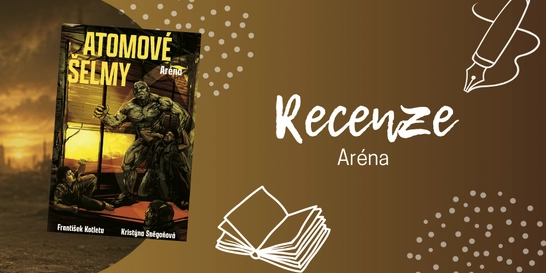
Pokud jste unavení ze všech těch varování, že světu hrozí atomová válka...
První detektivka od královny české fantastiky
Příběh, jaký by napsala Agatha Christie, kdyby chtěla, aby byl její hrdina Čech s krizí středního věku.

Mohlo by vás zajímat
Nový román Viktorie Hanišové
Když se její otec upálí před Poslaneckou sněmovnou, začne Lada hledat důvody jeho činu.
Mohlo by vás zajímat
Léto na ranči měl být útěk od problémů..
Místo klidu ji čeká přitažlivý šerif, stará tajemství a pocit, že ji někdo sleduje.
Mohlo by vás zajímat
Hola, amigo!
Seznamte se s Eliškou, Hugem a sovou Listillo – a objevte španělštinu s úsměvem.
Mohlo by vás zajímat
Modrá klasika do každé aktovky
Žádné zbytečné kouzlení, jen poctivý sešit pro každodenní psaní.
Mohlo by vás zajímat
UNO, tvrdší než kdy předtím
Nelítostné karty, brutální postihy, škodolibá radost a taktické bitvy!
Mohlo by vás zajímat
Královna oslavy!
Cleo září ve zlatém outfitu a přináší monstrózní narozeninovou radost. Přidejte ji do své sbírky Monster High a rozjeďte párty!
Mohlo by vás zajímat
Malý kousek galerie na knížky, drobnosti i menší nákup
Plátěná taška Paperblanks Natsu díky pevné bavlněné látce unese až 7 kg.
Každý měsíc společně přečteme tisíce knih






Tento web je chráněn službou reCAPTCHA a platí pro něj Zásady ochrany soukromí a Smluvní podmínky. | © 2001–2026 DOBROVSKÝ s.r.o. Všechna práva vyhrazena.






 KnihyDobrovsky.cz
 knihydobrovsky
 @knihydobrovskycz
 @knihydobrovsky