
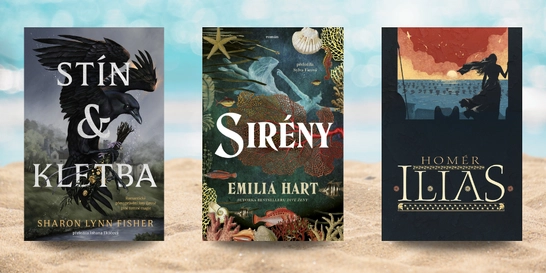
6 červencových novinek, které si přibalit na dovolenou
Slunce svítí, prázdniny jsou v plném proudu a spousta z nás si dopřává...



Kniha ( pevná vazba )
1 089 Kč s DPH
Jsme transparentní


Paper, bottles, metal scrap, kitchen garbage, rubber, hair, fat, rags, and bones--the Nazi empire demanded its population obsessively collect anything that could be reused or recycled. Entrepreneurs, policy makers, and ordinary citizens conjured up countless schemes to squeeze value from waste or invent new purposes for defunct or spent… Přejít na celý popis

5.0 z 5 hvězdiček
Voucher
5.0 z 5 hvězdiček
Voucher
5.0 z 5 hvězdiček
Voucher
5.0 z 5 hvězdiček
VoucherPaper, bottles, metal scrap, kitchen garbage, rubber, hair, fat, rags, and bones--the Nazi empire demanded its population obsessively collect anything that could be reused or recycled. Entrepreneurs, policy makers, and ordinary citizens conjured up countless schemes to squeeze value from waste or invent new purposes for defunct or spent material, no matter the cost to people or the environment. As World War II dragged on, rescued loot--much of it waste--clogged transport routes and piled up in warehouses across Europe.Historicizing the much-championed ideal of zero waste, Anne Berg shows that the management of waste was central to the politics of war and to the genesis of genocide in the Nazi Germany. Destruction and recycling were part of an overarching strategy to redress raw material shortages, procure lebensraum, and cleanse the continent of Jews and others considered undesirable. Fostering cooperation between the administration, the party, the German Army, the SS, and industry, resource extending schemes obscured the crucial political role played by virtually all German citizens to whom salvaging, scrapping, and recycling were promoted as inherently virtuous and orderly behaviors. Throughout Nazi occupied-Europe, Jews, POWs, concentration camp inmates, and enemy civilians were forced to recycle the loot, discards, and debris of the Nazi race war. In the end, the materials that were fully exploited and the people who had been bled dry were cast aside, buried, burned, or left to rot. Nonetheless, waste reclamation did not have the power to win the war.Illuminating how the Nazis inverted the economy of value, rescuing discards and murdering people, Empire of Rags and Bones offers an original perspective on genocide, racial ideology, and World War II.
0.0 z 5 0 hodnocení čtenářů
0× 5 hvězdiček 0× 4 hvězdičky 0× 3 hvězdičky 0× 2 hvězdičky 0× 1 hvezdička
Získejte přehled o vývoji ceny za posledních 60 dní.
Slunce svítí, prázdniny jsou v plném proudu a spousta z nás si dopřává...

Pokud vám seriál Heated Rivalry (Spalující rivalita) nedal spát a zhlédli...
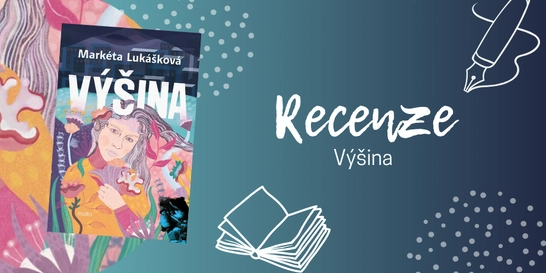
Pokud nevíte, zda sáhnout po „nové Lukáškové“, váš osobní...

Tahle kniha se ke mně původně dostala jen proto, abych ji předala někomu z...
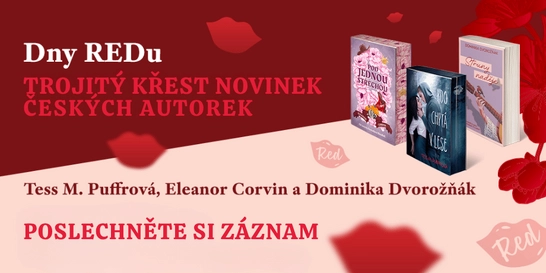
Nestihli jste naše žhavé literární odpoledne na Masarykově nádraží, nebo...
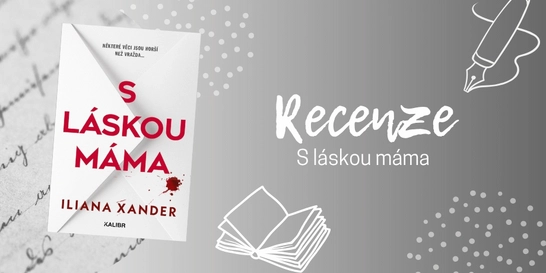
Po dočtení poslední knihy, která byla na můj vkus až příliš...
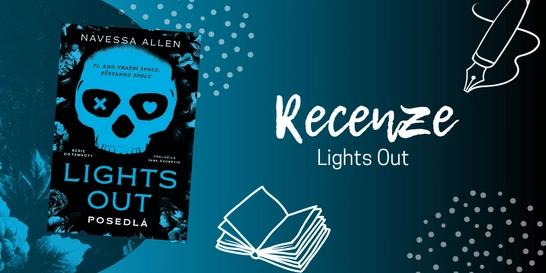
Už jste také někdy spadli do pasti algoritmu sociálních sítí? Znáte to....
Ne vždycky má člověk chuť vyrážet na nákup do obchodního centra. Někdy...
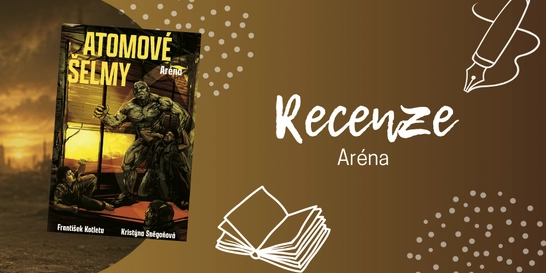
Pokud jste unavení ze všech těch varování, že světu hrozí atomová válka...
1 089 Kč s DPH
Jsme transparentní
Nová temná romance od Tess M. Puffrové
Měl to být nový začátek. Místo toho ji čeká nebezpečně přitažlivý student, stalking a les plný tajemství, která se neměla dostat ven.

Mohlo by vás zajímat
První detektivka od královny české fantastiky
Příběh, jaký by napsala Agatha Christie, kdyby chtěla, aby byl její hrdina Čech s krizí středního věku.
Mohlo by vás zajímat
Zběsilý postapo svět. Tvrdá pravidla.
Druhý díl, který přitvrzuje. Sněgoňová & Kotleta servírují Arénu, kde přežijí jen ti nejtvrdší. Ostatní skončí jako krmivo.
Mohlo by vás zajímat
Učebnice, co drží krok s dobou.
Nová generace učebnic, která jede podle nejnovějšího RVP, ne podle Windows 95.
Mohlo by vás zajímat
Ať víte, kdy je matika, keramika i posilovna
Rozvrhy, kroužky, poznámky i důležité termíny pěkně pohromadě. Praktický školní kalendář pomůže sladit povinnosti i volný čas bez zbytečného zmatku.
Mohlo by vás zajímat
UNO, tvrdší než kdy předtím
Nelítostné karty, brutální postihy, škodolibá radost a taktické bitvy!
Mohlo by vás zajímat
Královna oslavy!
Cleo září ve zlatém outfitu a přináší monstrózní narozeninovou radost. Přidejte ji do své sbírky Monster High a rozjeďte párty!
Mohlo by vás zajímat
Barevná zábava pro malé umělce
Ideální aktivita na klidné odpoledne, deštivý den nebo kreativní chvilku bez obrazovek.
Každý měsíc společně přečteme tisíce knih






Tento web je chráněn službou reCAPTCHA a platí pro něj Zásady ochrany soukromí a Smluvní podmínky. | © 2001–2026 DOBROVSKÝ s.r.o. Všechna práva vyhrazena.






 KnihyDobrovsky.cz
 knihydobrovsky
 @knihydobrovskycz
 @knihydobrovsky