
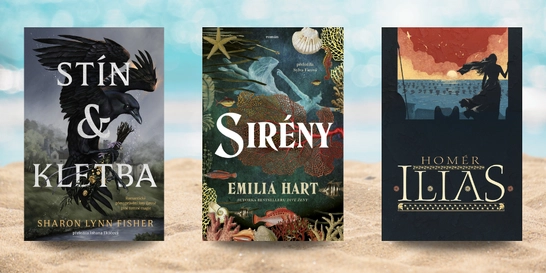
6 červencových novinek, které si přibalit na dovolenou
Slunce svítí, prázdniny jsou v plném proudu a spousta z nás si dopřává...



Kniha ( měkká vazba )
4 785 Kč s DPH
Jsme transparentní


This project examined the development of ambient water quality criteria (AWQC) for the protection of wildlife for mercury. Mercury is considered a serious risk to wildlife in many areas. As a result, the Great Lakes Water Quality Initiative and others have developed AWQC. These AWQC have been controversial, however, because (1) the AWQC were… Přejít na celý popis

5.0 z 5 hvězdiček
Voucher
5.0 z 5 hvězdiček
Voucher
5.0 z 5 hvězdiček
Voucher
5.0 z 5 hvězdiček
Voucher
This project examined the development of ambient water quality criteria (AWQC) for the protection of wildlife for mercury. Mercury is considered a serious risk to wildlife in many areas. As a result, the Great Lakes Water Quality Initiative and others have developed AWQC. These AWQC have been controversial, however, because (1) the AWQC were single values that did not account for site-specific conditions; (2) derivation of the AWQC relied on a single NOAEL, and (3) the AWQC had an unknown level of conservatism because of reliance on both average and conservative assumptions and uncertainty factors. Rather than develop a single value AWQC for total mercury, we derive an AWQC model that explicitly incorporates factors controlling bioavailability, methylation rates and bioaccumulation in the aquatic environment (e.g., pH, DOC, sulfate). To derive our AWQC model, field data was collected including numerous water quality parameters and total mercury and methylmercury concentrations in whole body fish tissue from 31 lakes in Ontario and an additional 10 lakes in Nova Scotia. An independent dataset consisting of 51 water bodies in the United States was then used to confirm the validity and robustness of the AWQC model. Next we combined the results of chronic-feeding studies with similar protocols and endpoints, in a meta-analysis to derive a dose-response curve for mink exposed to mercury in the diet. Using this approach, one can derive an LD5 or other similar endpoint that can then be used as the basis for deriving -wildlife AWQC. In the final step, we used a probabilistic risk model to estimate the concentrations of methylmercury in water that would lead to levels in fish sufficient for there to be a 10% probability of exceeding the mink LD5. This analysis was repeated for various combinations of pH and DOC. The result is an AWQC model for mercury for the protection of wildlife that can be used for a variety of site-specific conditions. This publication can also be purchased and downloaded via Pay Per View on Water Intelligence Online - click on the Pay Per View icon below
0.0 z 5 0 hodnocení čtenářů
0× 5 hvězdiček 0× 4 hvězdičky 0× 3 hvězdičky 0× 2 hvězdičky 0× 1 hvezdička
Získejte přehled o vývoji ceny za posledních 60 dní.
Slunce svítí, prázdniny jsou v plném proudu a spousta z nás si dopřává...
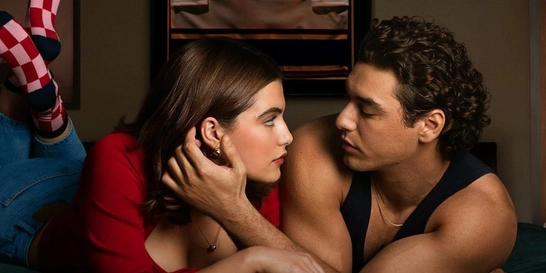
Pokud vám seriál Heated Rivalry (Spalující rivalita) nedal spát a zhlédli...
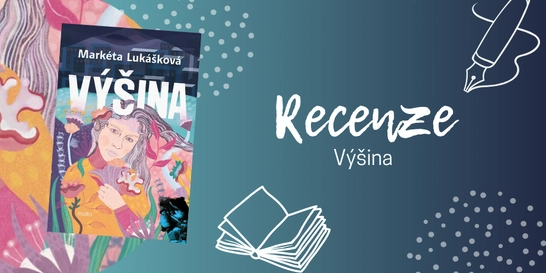
Pokud nevíte, zda sáhnout po „nové Lukáškové“, váš osobní...

Tahle kniha se ke mně původně dostala jen proto, abych ji předala někomu z...

Nestihli jste naše žhavé literární odpoledne na Masarykově nádraží, nebo...

Po dočtení poslední knihy, která byla na můj vkus až příliš...
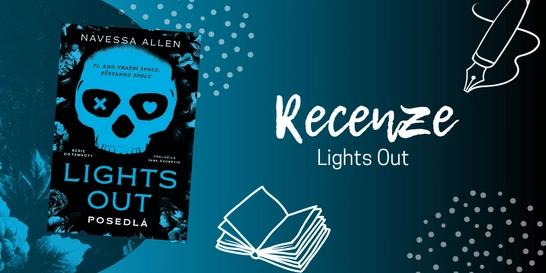
Už jste také někdy spadli do pasti algoritmu sociálních sítí? Znáte to....
Ne vždycky má člověk chuť vyrážet na nákup do obchodního centra. Někdy...
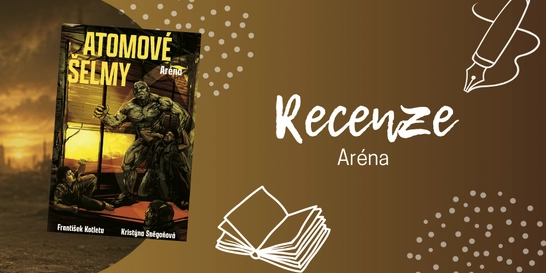
Pokud jste unavení ze všech těch varování, že světu hrozí atomová válka...
4 785 Kč s DPH
Jsme transparentní
Kariérní životní šance nebo životní láska?
Alice dostane šanci napsat životopis slavné dědičky. O stejnou zakázku ale usiluje i nepříjemně přitažlivý držitel Pulitzerovy ceny Hayden Anderson…

Mohlo by vás zajímat
První detektivka od královny české fantastiky
Příběh, jaký by napsala Agatha Christie, kdyby chtěla, aby byl její hrdina Čech s krizí středního věku.
Mohlo by vás zajímat
Zběsilý postapo svět. Tvrdá pravidla.
Druhý díl, který přitvrzuje. Sněgoňová & Kotleta servírují Arénu, kde přežijí jen ti nejtvrdší. Ostatní skončí jako krmivo.
Mohlo by vás zajímat
Matika, co počítá s budoucností.
Učebnice, která propojuje čísla, logiku i technologie. Protože i vzorce jdou s dobou.
Mohlo by vás zajímat
Modrá klasika do každé aktovky
Žádné zbytečné kouzlení, jen poctivý sešit pro každodenní psaní.
Mohlo by vás zajímat
Rychlejší než blesk!
Rozšiřte svou klasickou sadu o Speed Pack a dodejte vašemu UNO nový život.
Mohlo by vás zajímat
Královna oslavy!
Cleo září ve zlatém outfitu a přináší monstrózní narozeninovou radost. Přidejte ji do své sbírky Monster High a rozjeďte párty!
Mohlo by vás zajímat
Malý kousek galerie na knížky, drobnosti i menší nákup
Plátěná taška Paperblanks Natsu díky pevné bavlněné látce unese až 7 kg.
Každý měsíc společně přečteme tisíce knih






Tento web je chráněn službou reCAPTCHA a platí pro něj Zásady ochrany soukromí a Smluvní podmínky. | © 2001–2026 DOBROVSKÝ s.r.o. Všechna práva vyhrazena.






 KnihyDobrovsky.cz
 knihydobrovsky
 @knihydobrovskycz
 @knihydobrovsky