

6 červencových novinek, které si přibalit na dovolenou
Slunce svítí, prázdniny jsou v plném proudu a spousta z nás si dopřává...



Kniha ( pevná vazba )
989 Kč s DPH
Jsme transparentní


From a leading historian, the story of how entrepreneurial Jewish immigrants transformed commercial banking and enabled the economic and social advancement of Jews in America. What are immigrants to do when business opportunities abound in their new home, but banks refuse essential financial support? How could they make the journey in the… Přejít na celý popis

5.0 z 5 hvězdiček
Voucher
5.0 z 5 hvězdiček
Voucher
5.0 z 5 hvězdiček
Voucher
5.0 z 5 hvězdiček
Voucher
From a leading historian, the story of how entrepreneurial Jewish immigrants transformed commercial banking and enabled the economic and social advancement of Jews in America. What are immigrants to do when business opportunities abound in their new home, but banks refuse essential financial support? How could they make the journey in the first place without helping hands? In this lively history, Rebecca Kobrin chronicles the turn-of-the-twentieth-century Jewish immigrants who stepped up by doing the lending themselves. Arriving from the Russian Empire and settling primarily in New York, they made livelihoods by assisting fellow Jews so they could purchase passage to the United States and, after arriving, obtain credit that other lenders would not dare provide. Credit to the Nation traces the novel practices of bankers who not only enabled the flourishing of American Jewry but also revolutionized the US financial industry. Drawing on previously unexamined archival materials in Russian, Yiddish, German, and English, Kobrin tells a story that is also crucial to the history of New York, as immigrant bankers’ financing of real estate transformed wide swathes of the city. Lenders drove a boom in the prices of tenement buildings, but heavy speculation eventually precipitated the downfall of immigrant banking. Kobrin notes in particular the case of the Bank of United States—a private lender catering primarily to Jewish businessmen—which the Federal Reserve refused to bail out from bankruptcy in 1930. Immigrants’ grasping for credit, and the rise and fall of immigrant banks, gave way to a contemporary banking industry that, ironically, refuses credit to today’s immigrants. Kobrin reminds us that now, as before, the denial of credit pushes entrepreneurial Americans into unregulated money-lending and the trap of endless debt.
0.0 z 5 0 hodnocení čtenářů
0× 5 hvězdiček 0× 4 hvězdičky 0× 3 hvězdičky 0× 2 hvězdičky 0× 1 hvezdička
Získejte přehled o vývoji ceny za posledních 60 dní.
Slunce svítí, prázdniny jsou v plném proudu a spousta z nás si dopřává...

Pokud vám seriál Heated Rivalry (Spalující rivalita) nedal spát a zhlédli...
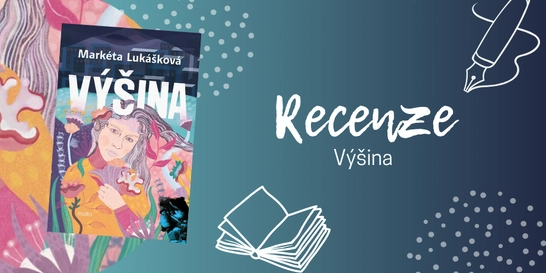
Pokud nevíte, zda sáhnout po „nové Lukáškové“, váš osobní...

Tahle kniha se ke mně původně dostala jen proto, abych ji předala někomu z...

Nestihli jste naše žhavé literární odpoledne na Masarykově nádraží, nebo...

Po dočtení poslední knihy, která byla na můj vkus až příliš...
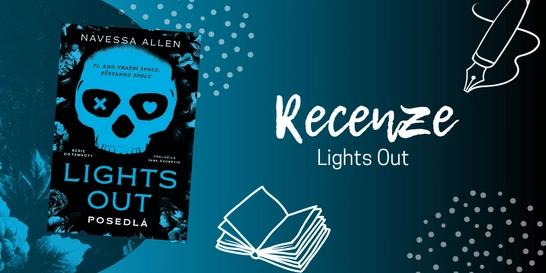
Už jste také někdy spadli do pasti algoritmu sociálních sítí? Znáte to....
Ne vždycky má člověk chuť vyrážet na nákup do obchodního centra. Někdy...
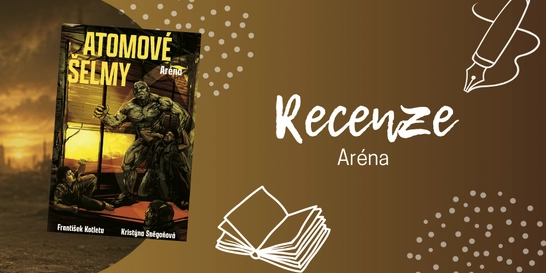
Pokud jste unavení ze všech těch varování, že světu hrozí atomová válka...
989 Kč s DPH
Jsme transparentní
Caraval vrcholí!
Tella, Scarlett i Legenda stojí před rozhodnutími, která změní jejich osudy. Ve hře je láska, moc i budoucnost celého království.

Mohlo by vás zajímat
První detektivka od královny české fantastiky
Příběh, jaký by napsala Agatha Christie, kdyby chtěla, aby byl její hrdina Čech s krizí středního věku.
Mohlo by vás zajímat
Zběsilá postapo jízda pokračuje
Hřbitov není místo pro slabé povahy ani pro romantické procházky za soumraku. Postapo nářez plný mutací, šílenství a bohů, kteří možná nikdy neměli být probuzeni.
Mohlo by vás zajímat
Učebnice, co drží krok s dobou.
Nová generace učebnic, která jede podle nejnovějšího RVP, ne podle Windows 95.
Mohlo by vás zajímat
Ať víte, kdy je matika, keramika i posilovna
Rozvrhy, kroužky, poznámky i důležité termíny pěkně pohromadě. Praktický školní kalendář pomůže sladit povinnosti i volný čas bez zbytečného zmatku.
Mohlo by vás zajímat
Rychlejší než blesk!
Rozšiřte svou klasickou sadu o Speed Pack a dodejte vašemu UNO nový život.
Mohlo by vás zajímat
Královna oslavy!
Cleo září ve zlatém outfitu a přináší monstrózní narozeninovou radost. Přidejte ji do své sbírky Monster High a rozjeďte párty!
Mohlo by vás zajímat
Barevná zábava pro malé umělce
Ideální aktivita na klidné odpoledne, deštivý den nebo kreativní chvilku bez obrazovek.
Každý měsíc společně přečteme tisíce knih







Tento web je chráněn službou reCAPTCHA a platí pro něj Zásady ochrany soukromí a Smluvní podmínky. | © 2001–2026 DOBROVSKÝ s.r.o. Všechna práva vyhrazena.






 KnihyDobrovsky.cz
 knihydobrovsky
 @knihydobrovskycz
 @knihydobrovsky