
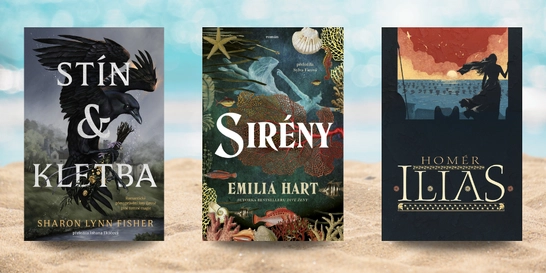
6 červencových novinek, které si přibalit na dovolenou
Slunce svítí, prázdniny jsou v plném proudu a spousta z nás si dopřává...



Kniha ( měkká vazba )
447 Kč s DPH
Běžně 499 Kč
Nápověda
Jsme transparentní


Prague in the early twentieth century was the city of cubists, surrealists, and the Good Soldier vejk. This book takes a new approach to interwar Prague by identifying religion as an integral part of the city s cultural history. As Prague emerged as a modern city and the Czech nation gained independence, Catholics, Protestants, and those who… Přejít na celý popis


Prague in the early twentieth century was the city of cubists, surrealists, and the Good Soldier vejk. This book takes a new approach to interwar Prague by identifying religion as an integral part of the city s cultural history. As Prague emerged as a modern city and the Czech nation gained independence, Catholics, Protestants, and those who imagined a non-sectarian religion debated questions of faith and morality. Contrary to the conventional view of modern Czech elites as atheistic, Berglund shows how they were deeply concerned with the place of religion in modern life. Based upon a wide array of sources, the monograph explores the linkages between politics, theology, and architecture in the building of new symbols and a civil religion for the first Czechoslovak republic (1918-1938). Berglund views the contest of the sacred and secular in Prague within the broader context of religious change in twentieth-century Europe. His book lays a foundation for understanding both Czech culture of the interwar period as well as the nation s and Europe s religious history in the modern age. The author takes an approach that is both interdisciplinary and biographical by focusing on important figures in the politics and culture of interwar Prague, including Tomá Masaryk, the philosopher who became Czechoslovakia s first president; his daughter Alice, founding director of the Czechoslovak Red Cross; and Joze Plecnik, the Slovenian architect who directed the renovations of Prague Castle and designed one of the city s most renowned churches. This study of the beliefs and doubts held by these and other figures shows the transition from a (mostly) Catholic tradition to a new religious conception that was modern, humanistic, and detached from any institution much like the religious beliefs held by many Europeans today.
0.0 z 5 0 hodnocení čtenářů
0× 5 hvězdiček 0× 4 hvězdičky 0× 3 hvězdičky 0× 2 hvězdičky 0× 1 hvezdička
Hodnocení našich knihkupců: 0.0 z 5
Získejte přehled o vývoji ceny za posledních 60 dní.
Slunce svítí, prázdniny jsou v plném proudu a spousta z nás si dopřává...

Pokud vám seriál Heated Rivalry (Spalující rivalita) nedal spát a zhlédli...
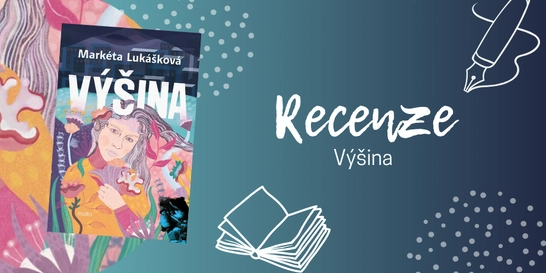
Pokud nevíte, zda sáhnout po „nové Lukáškové“, váš osobní...

Tahle kniha se ke mně původně dostala jen proto, abych ji předala někomu z...

Nestihli jste naše žhavé literární odpoledne na Masarykově nádraží, nebo...
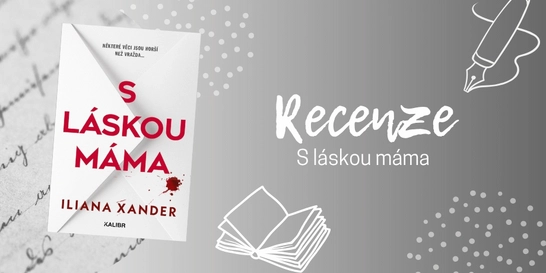
Po dočtení poslední knihy, která byla na můj vkus až příliš...
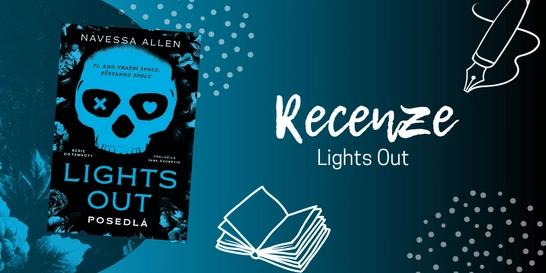
Už jste také někdy spadli do pasti algoritmu sociálních sítí? Znáte to....
Ne vždycky má člověk chuť vyrážet na nákup do obchodního centra. Někdy...
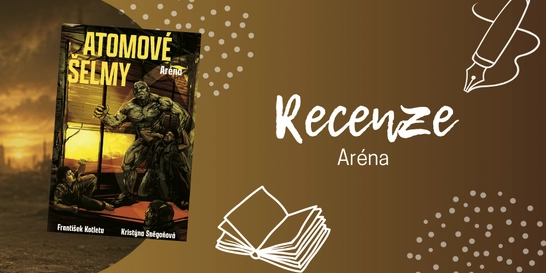
Pokud jste unavení ze všech těch varování, že světu hrozí atomová válka...
447 Kč s DPH
Běžně 499 Kč
Jsme transparentní
Stromová města, rituální vraždy a zakázaná vášeň
Nová romantasy Šárky Przewozné vás vtáhne do světa bohů, proroctví a dávných lží, kde jediná dívka může změnit vše, čemu její rod po generace věřil.

Mohlo by vás zajímat
Caraval vrcholí!
Tella, Scarlett i Legenda stojí před rozhodnutími, která změní jejich osudy. Ve hře je láska, moc i budoucnost celého království.
Mohlo by vás zajímat
Nová temná romance od Tess M. Puffrové
Měl to být nový začátek. Místo toho ji čeká nebezpečně přitažlivý student, stalking a les plný tajemství, která se neměla dostat ven.
Mohlo by vás zajímat
Matika, co počítá s budoucností.
Učebnice, která propojuje čísla, logiku i technologie. Protože i vzorce jdou s dobou.
Mohlo by vás zajímat
Modrá klasika do každé aktovky
Žádné zbytečné kouzlení, jen poctivý sešit pro každodenní psaní.
Mohlo by vás zajímat
Rychlejší než blesk!
Rozšiřte svou klasickou sadu o Speed Pack a dodejte vašemu UNO nový život.
Mohlo by vás zajímat
Královna oslavy!
Cleo září ve zlatém outfitu a přináší monstrózní narozeninovou radost. Přidejte ji do své sbírky Monster High a rozjeďte párty!
Mohlo by vás zajímat
Kapitola u bazénu? Klidně.
Vodotěsné provedení vám dovolí číst u vody, na pláži i ve vaně bez zbytečných obav.
Každý měsíc společně přečteme tisíce knih






Tento web je chráněn službou reCAPTCHA a platí pro něj Zásady ochrany soukromí a Smluvní podmínky. | © 2001–2026 DOBROVSKÝ s.r.o. Všechna práva vyhrazena.






 KnihyDobrovsky.cz
 knihydobrovsky
 @knihydobrovskycz
 @knihydobrovsky