
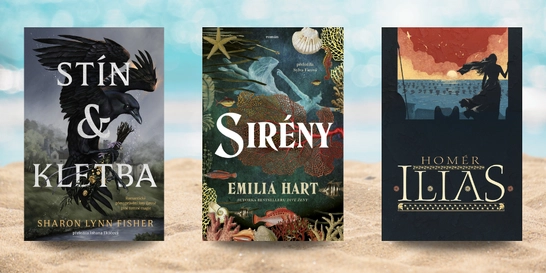
6 červencových novinek, které si přibalit na dovolenou
Slunce svítí, prázdniny jsou v plném proudu a spousta z nás si dopřává...



Kniha ( pevná vazba )


Children of different ages live in different worlds. This is partly due to learning: as children learn more and more about the world they experience it in different ways. But learning cannot be the whole story or else children could learn anything at any age - which they cannot.In a startlingly original proposal, Michael Tomasello argues that… Přejít na celý popis

5.0 z 5 hvězdiček
Voucher
5.0 z 5 hvězdiček
Voucher
5.0 z 5 hvězdiček
Voucher
5.0 z 5 hvězdiček
Voucher
Children of different ages live in different worlds. This is partly due to learning: as children learn more and more about the world they experience it in different ways. But learning cannot be the whole story or else children could learn anything at any age - which they cannot.In a startlingly original proposal, Michael Tomasello argues that children of different ages live and learn in different worlds because their capacities to cognitively represent and operate on their experience change in significant ways over the first years of life. These capacities change because they are elements in a maturing cognitive architecture evolved for agentive decision making and action, including in shared agencies in which individuals must mentally coordinate with others. The developmental proposal is that from birth infants are goal-directed agents who cognitively represent and learn about actualities; at 9 -12 months toddlers become intentional (and joint) agents who also imaginatively and perspectivally represent and learn about possibilities; and at 3-4 years preschool youngsters become metacognitive (and collective) agents who also metacognitively represent and learn about objective/normative necessities. These developing agentive architectures - originally evolved in humans'' evolutionary ancestors for particular types of decision making and action - help to explain why children learn what they do when they do.This novel agency-based model of cognitive development recognizes the important role of (Bayesian) learning, but at the same time places it in the context of the overall agentive organization of children at particular developmental periods.
0.0 z 5 0 hodnocení čtenářů
0× 5 hvězdiček 0× 4 hvězdičky 0× 3 hvězdičky 0× 2 hvězdičky 0× 1 hvezdička
Získejte přehled o vývoji ceny za posledních 60 dní.
Slunce svítí, prázdniny jsou v plném proudu a spousta z nás si dopřává...

Pokud vám seriál Heated Rivalry (Spalující rivalita) nedal spát a zhlédli...
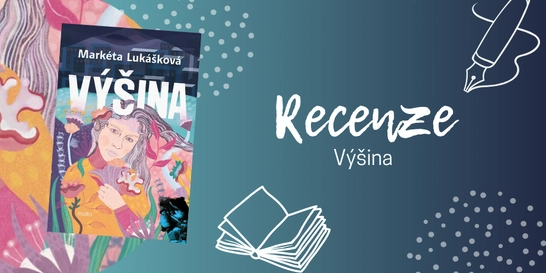
Pokud nevíte, zda sáhnout po „nové Lukáškové“, váš osobní...

Tahle kniha se ke mně původně dostala jen proto, abych ji předala někomu z...

Nestihli jste naše žhavé literární odpoledne na Masarykově nádraží, nebo...
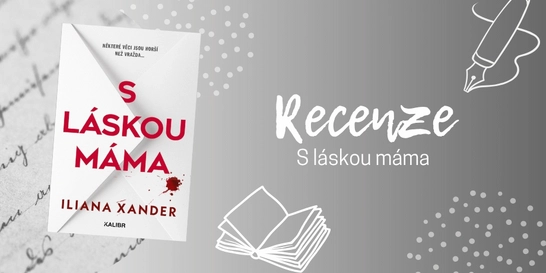
Po dočtení poslední knihy, která byla na můj vkus až příliš...
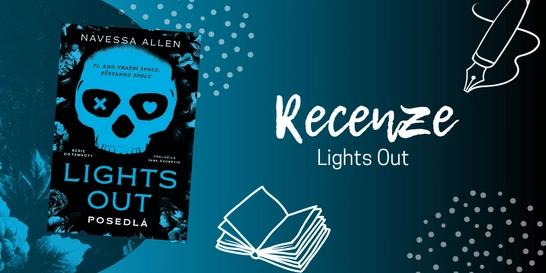
Už jste také někdy spadli do pasti algoritmu sociálních sítí? Znáte to....
Ne vždycky má člověk chuť vyrážet na nákup do obchodního centra. Někdy...
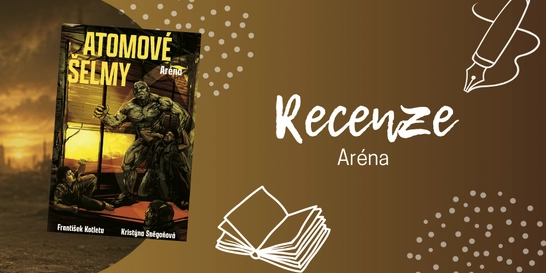
Pokud jste unavení ze všech těch varování, že světu hrozí atomová válka...
Král Nezemě si přichází pro další dívku a nic ho nezastaví
Temná verze Petra Pana plná nebezpečí, vášně a vztahů, které bolí i přitahují.

Mohlo by vás zajímat
Nová gotická dark romance
Mrtví živé učí. Anatomie hříchu v rukou nebezpečně přitažlivého patologa
Mohlo by vás zajímat
Zběsilá postapo jízda pokračuje
Hřbitov není místo pro slabé povahy ani pro romantické procházky za soumraku. Postapo nářez plný mutací, šílenství a bohů, kteří možná nikdy neměli být probuzeni.
Mohlo by vás zajímat
Hola, amigo!
Seznamte se s Eliškou, Hugem a sovou Listillo – a objevte španělštinu s úsměvem.
Mohlo by vás zajímat
Modrá klasika do každé aktovky
Žádné zbytečné kouzlení, jen poctivý sešit pro každodenní psaní.
Mohlo by vás zajímat
Rychlejší než blesk!
Rozšiřte svou klasickou sadu o Speed Pack a dodejte vašemu UNO nový život.
Mohlo by vás zajímat
Královna oslavy!
Cleo září ve zlatém outfitu a přináší monstrózní narozeninovou radost. Přidejte ji do své sbírky Monster High a rozjeďte párty!
Mohlo by vás zajímat
Malý kousek galerie na knížky, drobnosti i menší nákup
Plátěná taška Paperblanks Natsu díky pevné bavlněné látce unese až 7 kg.
Každý měsíc společně přečteme tisíce knih







Tento web je chráněn službou reCAPTCHA a platí pro něj Zásady ochrany soukromí a Smluvní podmínky. | © 2001–2026 DOBROVSKÝ s.r.o. Všechna práva vyhrazena.






 KnihyDobrovsky.cz
 knihydobrovsky
 @knihydobrovskycz
 @knihydobrovsky