
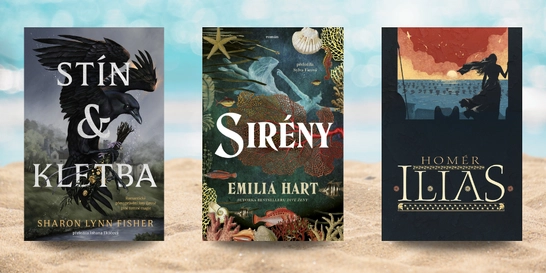
6 červencových novinek, které si přibalit na dovolenou
Slunce svítí, prázdniny jsou v plném proudu a spousta z nás si dopřává...



Kniha ( pevná vazba )
1 947 Kč s DPH
Jsme transparentní


You can use this book to design a house for yourself with your family; you can use it to work with your neighbors to improve your town and neighborhood; you can use it to design an office, or a workshop, or a public building. And you can use it to guide you in the actual process of construction. After a ten-year silence, Christopher… Přejít na celý popis

You can use this book to design a house for yourself with your family; you can use it to work with your neighbors to improve your town and neighborhood; you can use it to design an office, or a workshop, or a public building. And you can use it to guide you in the actual process of construction. After a ten-year silence, Christopher Alexander and his colleagues at the Center for Environmental Structure are now publishing a major statement inthe form of three books which will, in their words, "lay the basis for an entirely new approach to architecture, building and planning, which will we hope replace existing ideas and practices entirely."The three books are The Timeless Way of Building, The Oregon Experiment, and this book, A Pattern Language. At the core of these books is the idea that people should design for themselves their own houses, streets, and communities. This idea may be radical (it implies a radical transformation of the architectural profession) but it comes simply from the observation that most of the wonderful places of the world were not made by architects but bythe people. At the core of the books, too, is the point that in designing their environments people always rely on certain "languages," which, like the languages we speak, allow them to articulate andcommunicate an infinite variety of designs within a forma system which gives them coherence. This book provides a language of this kind. It will enable a person to make a design for almost any kind of building, or any part of the built environment. "Patterns," the units of this language, are answers to design problems (How high should a window sill be? How many stories should a building have? How much space in a neighborhood should be devoted to grass and trees?). Morethan 250 of the patterns in this pattern language are given: each consists of a problem statement, a discussion of the problem with an illustration, and a solution. As the authors say in theirintroduction, many of the patterns are archetypal, so deeply rooted in the nature of things that it seemly likely that they will be a part of human nature, and human action, as much in five hundred years as they are today.
0.0 z 5 0 hodnocení čtenářů
0× 5 hvězdiček 0× 4 hvězdičky 0× 3 hvězdičky 0× 2 hvězdičky 0× 1 hvezdička
Získejte přehled o vývoji ceny za posledních 60 dní.
Slunce svítí, prázdniny jsou v plném proudu a spousta z nás si dopřává...

Pokud vám seriál Heated Rivalry (Spalující rivalita) nedal spát a zhlédli...
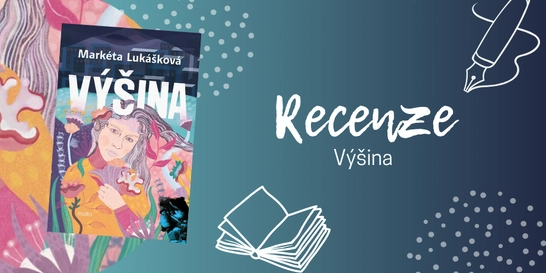
Pokud nevíte, zda sáhnout po „nové Lukáškové“, váš osobní...

Tahle kniha se ke mně původně dostala jen proto, abych ji předala někomu z...

Nestihli jste naše žhavé literární odpoledne na Masarykově nádraží, nebo...
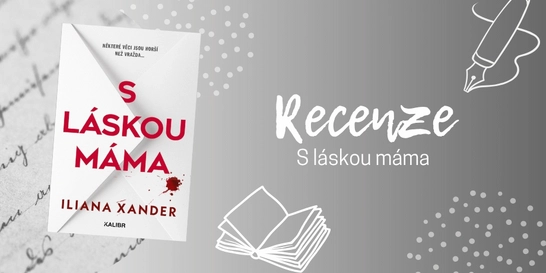
Po dočtení poslední knihy, která byla na můj vkus až příliš...
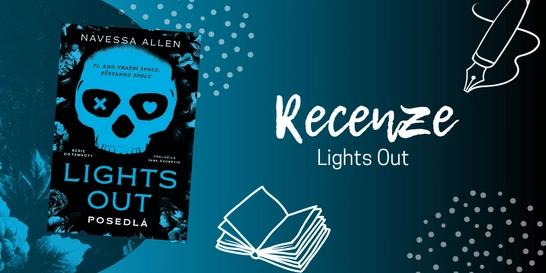
Už jste také někdy spadli do pasti algoritmu sociálních sítí? Znáte to....
Ne vždycky má člověk chuť vyrážet na nákup do obchodního centra. Někdy...
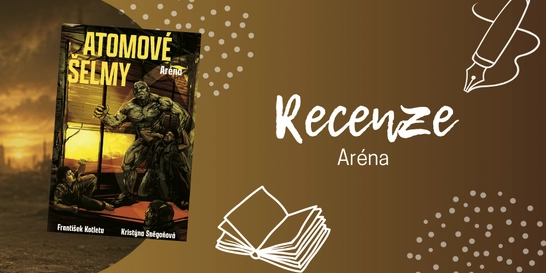
Pokud jste unavení ze všech těch varování, že světu hrozí atomová válka...
1 947 Kč s DPH
Jsme transparentní
Léto na ranči měl být útěk od problémů..
Místo klidu ji čeká přitažlivý šerif, stará tajemství a pocit, že ji někdo sleduje.

Mohlo by vás zajímat
Nový román Viktorie Hanišové
Když se její otec upálí před Poslaneckou sněmovnou, začne Lada hledat důvody jeho činu.
Mohlo by vás zajímat
Zběsilá postapo jízda pokračuje
Hřbitov není místo pro slabé povahy ani pro romantické procházky za soumraku. Postapo nářez plný mutací, šílenství a bohů, kteří možná nikdy neměli být probuzeni.
Mohlo by vás zajímat
Učebnice, co drží krok s dobou.
Nová generace učebnic, která jede podle nejnovějšího RVP, ne podle Windows 95.
Mohlo by vás zajímat
Modrá klasika do každé aktovky
Žádné zbytečné kouzlení, jen poctivý sešit pro každodenní psaní.
Mohlo by vás zajímat
UNO, tvrdší než kdy předtím
Nelítostné karty, brutální postihy, škodolibá radost a taktické bitvy!
Mohlo by vás zajímat
Královna oslavy!
Cleo září ve zlatém outfitu a přináší monstrózní narozeninovou radost. Přidejte ji do své sbírky Monster High a rozjeďte párty!
Mohlo by vás zajímat
Malý kousek galerie na knížky, drobnosti i menší nákup
Plátěná taška Paperblanks Natsu díky pevné bavlněné látce unese až 7 kg.
Každý měsíc společně přečteme tisíce knih







Tento web je chráněn službou reCAPTCHA a platí pro něj Zásady ochrany soukromí a Smluvní podmínky. | © 2001–2026 DOBROVSKÝ s.r.o. Všechna práva vyhrazena.






 KnihyDobrovsky.cz
 knihydobrovsky
 @knihydobrovskycz
 @knihydobrovsky