
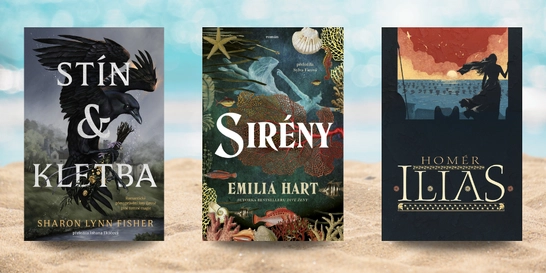
6 červencových novinek, které si přibalit na dovolenou
Slunce svítí, prázdniny jsou v plném proudu a spousta z nás si dopřává...



Kniha ( pevná vazba )
726 Kč s DPH
Jsme transparentní


The long overlooked, centuries-long, culture of the book in West AfricaPrinted books did not reach West Africa until the early twentieth century. And yet, between the fifteenth and twentieth centuries, literate and curious readers throughout the region found books to read—books that were written and copied by hand. In Writing Timbuktu,… Přejít na celý popis

5.0 z 5 hvězdiček
Voucher
5.0 z 5 hvězdiček
Voucher
5.0 z 5 hvězdiček
Voucher
5.0 z 5 hvězdiček
Voucher
The long overlooked, centuries-long, culture of the book in West AfricaPrinted books did not reach West Africa until the early twentieth century. And yet, between the fifteenth and twentieth centuries, literate and curious readers throughout the region found books to read—books that were written and copied by hand. In Writing Timbuktu, Shamil Jeppie offers a history of the book as a handwritten, handmade object in West Africa. Centering his account in the historic city of Timbuktu, Jeppie explores the culture of the “manuscript-bookâ€â€”unbound pages, often held together by carefully crafted leather covers. He describes the most important and most prolific scholars and their works, the subjects they covered, and ways these books were circulated, collected, and preserved. The authors of the manuscript-books wrote to demonstrate their knowledge to their peers, expound theological and legal opinions, and engage in scholarly disputation. After beginning his account in Timbuktu, Jeppie traces the literary connections among places as distant as Marrakesh in the north and Sokoto in the south, and smaller settlements in between. He chronicles the work of Ahmad Baba in late sixteenth-century Timbuktu and his students in early seventeenth-century Marrakesh; the emergence of writers in the eighteenth century in what today is Mauritania; the writings of the scholar-rulers of Sokoto, northern Nigeria, in the nineteenth century; and the eventual discovery of the manuscript-book world of West Africa by European travelers and French colonial officials. Finally, Jeppie finds that the handwritten text persisted even after the advent of the printed book, and even among writers whose books were in print, including the famous Malian novelist Amadou Hampâté Bâ.
0.0 z 5 0 hodnocení čtenářů
0× 5 hvězdiček 0× 4 hvězdičky 0× 3 hvězdičky 0× 2 hvězdičky 0× 1 hvezdička
Získejte přehled o vývoji ceny za posledních 60 dní.
Slunce svítí, prázdniny jsou v plném proudu a spousta z nás si dopřává...

Pokud vám seriál Heated Rivalry (Spalující rivalita) nedal spát a zhlédli...
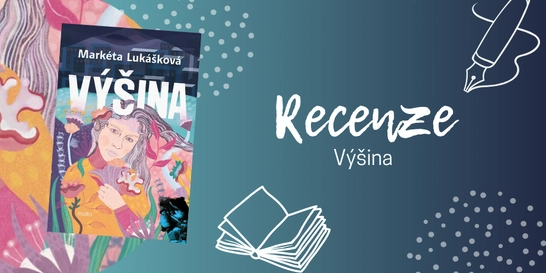
Pokud nevíte, zda sáhnout po „nové Lukáškové“, váš osobní...

Tahle kniha se ke mně původně dostala jen proto, abych ji předala někomu z...

Nestihli jste naše žhavé literární odpoledne na Masarykově nádraží, nebo...
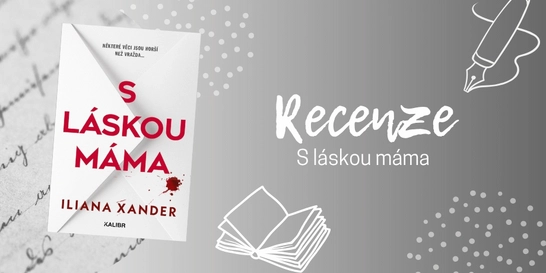
Po dočtení poslední knihy, která byla na můj vkus až příliš...
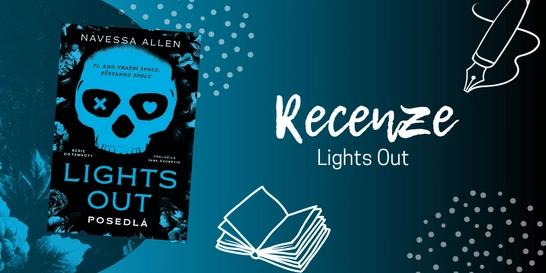
Už jste také někdy spadli do pasti algoritmu sociálních sítí? Znáte to....
Ne vždycky má člověk chuť vyrážet na nákup do obchodního centra. Někdy...
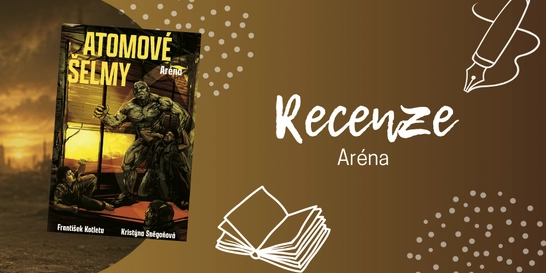
Pokud jste unavení ze všech těch varování, že světu hrozí atomová válka...
726 Kč s DPH
Jsme transparentní
Zběsilá postapo jízda pokračuje
Hřbitov není místo pro slabé povahy ani pro romantické procházky za soumraku. Postapo nářez plný mutací, šílenství a bohů, kteří možná nikdy neměli být probuzeni.

Mohlo by vás zajímat
Nová gotická dark romance
Mrtví živé učí. Anatomie hříchu v rukou nebezpečně přitažlivého patologa
Mohlo by vás zajímat
Zběsilá postapo jízda pokračuje
Hřbitov není místo pro slabé povahy ani pro romantické procházky za soumraku. Postapo nářez plný mutací, šílenství a bohů, kteří možná nikdy neměli být probuzeni.
Mohlo by vás zajímat
Učebnice, co drží krok s dobou.
Nová generace učebnic, která jede podle nejnovějšího RVP, ne podle Windows 95.
Mohlo by vás zajímat
Ať víte, kdy je matika, keramika i posilovna
Rozvrhy, kroužky, poznámky i důležité termíny pěkně pohromadě. Praktický školní kalendář pomůže sladit povinnosti i volný čas bez zbytečného zmatku.
Mohlo by vás zajímat
UNO, tvrdší než kdy předtím
Nelítostné karty, brutální postihy, škodolibá radost a taktické bitvy!
Mohlo by vás zajímat
Královna oslavy!
Cleo září ve zlatém outfitu a přináší monstrózní narozeninovou radost. Přidejte ji do své sbírky Monster High a rozjeďte párty!
Mohlo by vás zajímat
Barevná zábava pro malé umělce
Ideální aktivita na klidné odpoledne, deštivý den nebo kreativní chvilku bez obrazovek.
Každý měsíc společně přečteme tisíce knih







Tento web je chráněn službou reCAPTCHA a platí pro něj Zásady ochrany soukromí a Smluvní podmínky. | © 2001–2026 DOBROVSKÝ s.r.o. Všechna práva vyhrazena.






 KnihyDobrovsky.cz
 knihydobrovsky
 @knihydobrovskycz
 @knihydobrovsky