
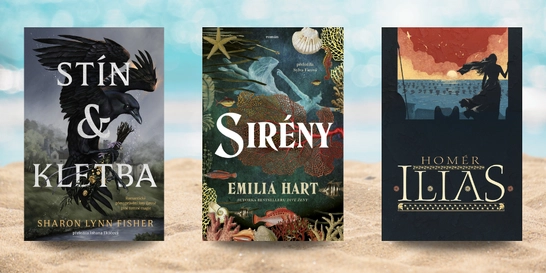
6 červencových novinek, které si přibalit na dovolenou
Slunce svítí, prázdniny jsou v plném proudu a spousta z nás si dopřává...



Kniha ( měkká vazba )


An Amazon.ca Editor''s Pick A Globe and Mail Best BookFinalist, Governor General''s Award for Non-Fiction Finalist, Shaughnessy Cohen Prize for Political Writing Finalist, John W. Dafoe Book PrizeLonglisted, Charles Taylor Prize for Literary Non-FictionA provocative examination of how communications has shaped the language of the media, and… Přejít na celý popis

An Amazon.ca Editor''s Pick A Globe and Mail Best BookFinalist, Governor General''s Award for Non-Fiction Finalist, Shaughnessy Cohen Prize for Political Writing Finalist, John W. Dafoe Book PrizeLonglisted, Charles Taylor Prize for Literary Non-Fiction
A provocative examination of how communications has shaped the language of the media, and vice versa, and how rhetoric shapes how Canadians thinks of themselves as a nation and Canada''s engagement in peacekeeping, war, and on the international stage.
According to Richler, each phase of engagement in Afghanistan has been shaped not only by rhetoric but an overarching narrative structure. This topic is very much in discussion at the moment. With the withdrawal of Canadian troops (at least in part) from Afghanistan, it becomes clear there had been a rhetorical cycle. Where once Canada wielded the myth of itself as a peacekeeping nation, the past decade has seen a marked shift away from this, emphasizing the Canadian soldier as warrior. Yet now, as the country withdraws, the oratorical language we use steps away from heroes, able warriors, and sacrifice and back towards a more comfortable vision of Canada in a peacekeeping/training role.
In recent years, Canada has made large financial investments in the apparatus of war — in a manner it hasn''t in a very long time — and as the realities of war are brought home (the losses, the tragedies, the atrocities, the lasting repercussions that come home with the soldiers who were on the front lines), Richler contends that it''s crucial we understand our national perspective on war — how we have framed it, how we continue to frame it.
Using recent events to bolster his arguments, including the shooting of American congresswoman Gabrielle Giffords and the earthquake in Haiti, Richler argues that very possibly the epic narrative of Canada is winding back down to that of the novel as we slowly regain our peacekeeping agenda.
0.0 z 5 0 hodnocení čtenářů
0× 5 hvězdiček 0× 4 hvězdičky 0× 3 hvězdičky 0× 2 hvězdičky 0× 1 hvezdička
Získejte přehled o vývoji ceny za posledních 60 dní.
Slunce svítí, prázdniny jsou v plném proudu a spousta z nás si dopřává...

Pokud vám seriál Heated Rivalry (Spalující rivalita) nedal spát a zhlédli...
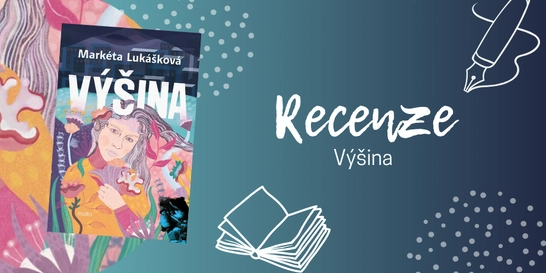
Pokud nevíte, zda sáhnout po „nové Lukáškové“, váš osobní...

Tahle kniha se ke mně původně dostala jen proto, abych ji předala někomu z...

Nestihli jste naše žhavé literární odpoledne na Masarykově nádraží, nebo...
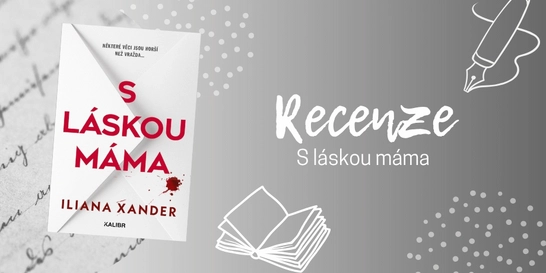
Po dočtení poslední knihy, která byla na můj vkus až příliš...
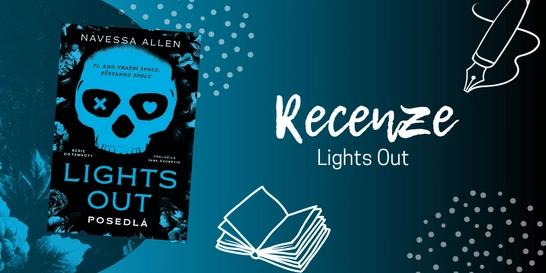
Už jste také někdy spadli do pasti algoritmu sociálních sítí? Znáte to....

Ne vždycky má člověk chuť vyrážet na nákup do obchodního centra. Někdy...
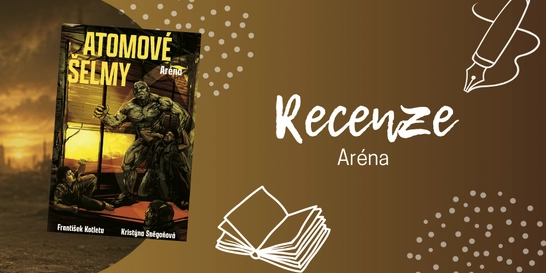
Pokud jste unavení ze všech těch varování, že světu hrozí atomová válka...
Každý konec je začátek něčeho nového
Po smrti manžela odjíždí Pixie na francouzský zámek, který spolu koupili. Místo nového začátku tam ale objeví tajemství, které jí převrátí celý život.

Mohlo by vás zajímat
Caraval vrcholí!
Tella, Scarlett i Legenda stojí před rozhodnutími, která změní jejich osudy. Ve hře je láska, moc i budoucnost celého království.
Mohlo by vás zajímat
Zběsilý postapo svět. Tvrdá pravidla.
Druhý díl, který přitvrzuje. Sněgoňová & Kotleta servírují Arénu, kde přežijí jen ti nejtvrdší. Ostatní skončí jako krmivo.
Mohlo by vás zajímat
Učebnice, co drží krok s dobou.
Nová generace učebnic, která jede podle nejnovějšího RVP, ne podle Windows 95.
Mohlo by vás zajímat
Modrá klasika do každé aktovky
Žádné zbytečné kouzlení, jen poctivý sešit pro každodenní psaní.
Mohlo by vás zajímat
UNO, tvrdší než kdy předtím
Nelítostné karty, brutální postihy, škodolibá radost a taktické bitvy!
Mohlo by vás zajímat
Královna oslavy!
Cleo září ve zlatém outfitu a přináší monstrózní narozeninovou radost. Přidejte ji do své sbírky Monster High a rozjeďte párty!
Mohlo by vás zajímat
Barevná zábava pro malé umělce
Ideální aktivita na klidné odpoledne, deštivý den nebo kreativní chvilku bez obrazovek.
Každý měsíc společně přečteme tisíce knih







Tento web je chráněn službou reCAPTCHA a platí pro něj Zásady ochrany soukromí a Smluvní podmínky. | © 2001–2026 DOBROVSKÝ s.r.o. Všechna práva vyhrazena.






 KnihyDobrovsky.cz
 knihydobrovsky
 @knihydobrovskycz
 @knihydobrovsky