

6 červencových novinek, které si přibalit na dovolenou
Slunce svítí, prázdniny jsou v plném proudu a spousta z nás si dopřává...



Kniha ( měkká vazba )


Glenn Petersen flew seventy combat missions in Vietnam when he was nineteen, launching from an aircraft carrier in the Tonkin Gulf. He’d sought out the weighty responsibilities and hazardous work. But why? What did the cultural architecture of the society he grew up in have to do with the way he went to war? In this book he looks at the war… Přejít na celý popis

5.0 z 5 hvězdiček
Voucher
5.0 z 5 hvězdiček
Voucher
5.0 z 5 hvězdiček
Voucher
5.0 z 5 hvězdiček
Voucher
Glenn Petersen flew seventy combat missions in Vietnam when he was nineteen, launching from an aircraft carrier in the Tonkin Gulf. He’d sought out the weighty responsibilities and hazardous work. But why? What did the cultural architecture of the society he grew up in have to do with the way he went to war? In this book he looks at the war from an anthropological perspective because that’s how he’s made his living in all the subsequent years: it’s how he sees the world. While anthropologists write about the military and war these days, they do so from the perspective of researchers. What makes this a fully original contribution is that Petersen brings to the page the classic methodology of ethnographers, participant observation—a kind of total immersion. He writes from the dual perspectives of an insider and a researcher and seeks in the specifics of lived experience some larger conclusions about humans’ social lives in general. Petersen was long oblivious to what had happened to him in Vietnam and he fears that young men and women who’ve been fighting the US military’s wars in Afghanistan and Iraq might be similarly unaware of what’s happened to them. Skills that allowed him to survive in combat, in particular his ability to focus tightly on the challenges directly in front of him, seemed to transfer well to life after war. The same intensity led him to a successful academic career, including the time he represented the Micronesian islands at the United Nations; how could anything be wrong? Then surreptitiously, the danger, the stress, and the trauma he’d hidden away broke through a brittle shell and the war came spilling out. As an anthropologist he sees in this a classic pattern: an adaptation to one set of conditions is put to a new and practical use when conditions change, but in time what had once been beneficial turns into maladaptive behavior. In writing about why we fight, he shed lights on what the fighting does to us.
0.0 z 5 0 hodnocení čtenářů
0× 5 hvězdiček 0× 4 hvězdičky 0× 3 hvězdičky 0× 2 hvězdičky 0× 1 hvezdička
Získejte přehled o vývoji ceny za posledních 60 dní.
Slunce svítí, prázdniny jsou v plném proudu a spousta z nás si dopřává...

Pokud vám seriál Heated Rivalry (Spalující rivalita) nedal spát a zhlédli...
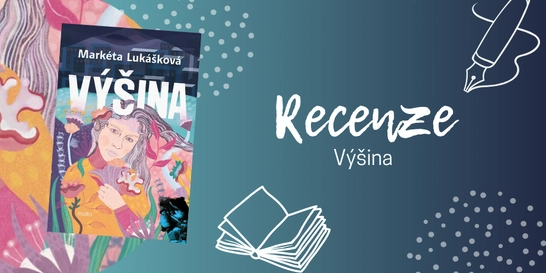
Pokud nevíte, zda sáhnout po „nové Lukáškové“, váš osobní...

Tahle kniha se ke mně původně dostala jen proto, abych ji předala někomu z...

Nestihli jste naše žhavé literární odpoledne na Masarykově nádraží, nebo...
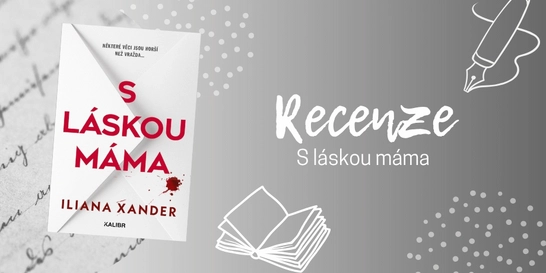
Po dočtení poslední knihy, která byla na můj vkus až příliš...
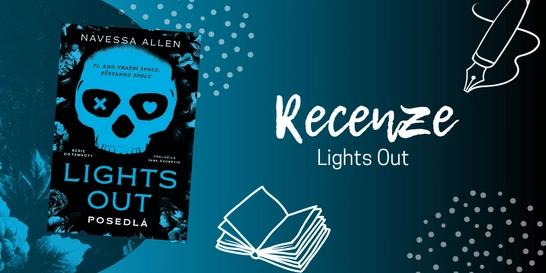
Už jste také někdy spadli do pasti algoritmu sociálních sítí? Znáte to....

Ne vždycky má člověk chuť vyrážet na nákup do obchodního centra. Někdy...
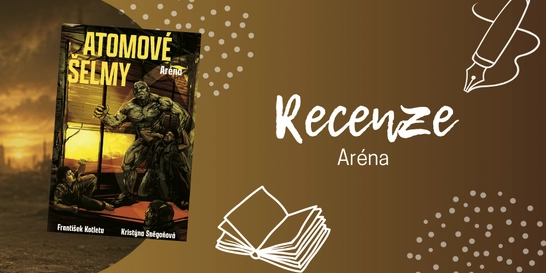
Pokud jste unavení ze všech těch varování, že světu hrozí atomová válka...
Začalo to jako hra. Skončí to zlomeným srdcem?
Od smrti rodičů si jsou Athalia a její dvojče čím dál vzdálenější. Aby získala bratrovu pozornost zpět, začne předstírat vztah s jeho největším rivalem Dylanem.

Mohlo by vás zajímat
Nová gotická dark romance
Mrtví živé učí. Anatomie hříchu v rukou nebezpečně přitažlivého patologa
Mohlo by vás zajímat
Zběsilý postapo svět. Tvrdá pravidla.
Druhý díl, který přitvrzuje. Sněgoňová & Kotleta servírují Arénu, kde přežijí jen ti nejtvrdší. Ostatní skončí jako krmivo.
Mohlo by vás zajímat
Hola, amigo!
Seznamte se s Eliškou, Hugem a sovou Listillo – a objevte španělštinu s úsměvem.
Mohlo by vás zajímat
Modrá klasika do každé aktovky
Žádné zbytečné kouzlení, jen poctivý sešit pro každodenní psaní.
Mohlo by vás zajímat
Rychlejší než blesk!
Rozšiřte svou klasickou sadu o Speed Pack a dodejte vašemu UNO nový život.
Mohlo by vás zajímat
Mohlo by vás zajímat
Malý kousek galerie na knížky, drobnosti i menší nákup
Plátěná taška Paperblanks Natsu díky pevné bavlněné látce unese až 7 kg.
Každý měsíc společně přečteme tisíce knih







Tento web je chráněn službou reCAPTCHA a platí pro něj Zásady ochrany soukromí a Smluvní podmínky. | © 2001–2026 DOBROVSKÝ s.r.o. Všechna práva vyhrazena.






 KnihyDobrovsky.cz
 knihydobrovsky
 @knihydobrovskycz
 @knihydobrovsky