

6 červencových novinek, které si přibalit na dovolenou
Slunce svítí, prázdniny jsou v plném proudu a spousta z nás si dopřává...



Kniha ( měkká vazba )
4 785 Kč s DPH
Jsme transparentní


Anaerobic/aerobic (AnA) and completely aerobic (CA) laboratory-scale sequencing batch reactors operating on an acetate- and casamino acids-based synthetic wastewater were used to investigate the suitability of the AnA process for treating nutrient?deficient wastewaters in plants that have stringent effluent nutrient requirements. Of particular… Přejít na celý popis

5.0 z 5 hvězdiček
Voucher
5.0 z 5 hvězdiček
Voucher
5.0 z 5 hvězdiček
Voucher
5.0 z 5 hvězdiček
Voucher
Anaerobic/aerobic (AnA) and completely aerobic (CA) laboratory-scale sequencing batch reactors operating on an acetate- and casamino acids-based synthetic wastewater were used to investigate the suitability of the AnA process for treating nutrient?deficient wastewaters in plants that have stringent effluent nutrient requirements. Of particular interest is the case where phosphorus (P)-deficient wastewaters with highly variable influent COD loading are being treated to meet both effluent TSS and P limits. At a 4 d mean cell residence time, AnA activated sludge had an approx. 20% lower P requirement than CA activated sludge. The difference between the end-of-aerobic cycle polyhydroxyalkanoate and carbohydrate contents of the sludges indicated that the AnAsludge used more influent carbon than the CA sludge for synthesis of non-P-containing storage products. The nitrogen requirements of AnA sludge were similar to those of the CA sludge. The AnA and CA SBRs were subjected to three different transient influent COD loading patterns that simulated (#1) daily COD Loading fluctuations, (#2) low weekend COD loading, and (#3) extended low COD loading periods. During the Loading Pattern #1 experiment, the average effluent soluble P concentrations for the AnA and CA SBRs were 0.4 and 1.0 mgP/L respectively, and complete removal of influent acetate was observed. During the Loading Pattern #2 experiment, the average effluent soluble P concentrations for the AnA and CA SBRs were 0.3 and 0.9 mgP/L respectively, but effluent acetate was detected during the first high COD loading cycle following the low weekend COD loading period. During the Loading Pattern #3 experiment, the VSS content of both reactors dropped sharply, effluent acetate breakthrough occurred, and effluent P concentrations exceeding 1 mgP/L were detected in both the AnA and CA SBRs. Based on these findings, the AnA process has potential as a technologically and economically superior alternative for wastewater treatment plants treating P-deficient wastewasters to meet stringent effluent TSS and P limits. This publication can also be purchased and downloaded via Pay Per View on Water Intelligence Online - click on the Pay Per View icon below
0.0 z 5 0 hodnocení čtenářů
0× 5 hvězdiček 0× 4 hvězdičky 0× 3 hvězdičky 0× 2 hvězdičky 0× 1 hvezdička
Získejte přehled o vývoji ceny za posledních 60 dní.
Slunce svítí, prázdniny jsou v plném proudu a spousta z nás si dopřává...

Pokud vám seriál Heated Rivalry (Spalující rivalita) nedal spát a zhlédli...

Pokud nevíte, zda sáhnout po „nové Lukáškové“, váš osobní...

Tahle kniha se ke mně původně dostala jen proto, abych ji předala někomu z...

Nestihli jste naše žhavé literární odpoledne na Masarykově nádraží, nebo...

Po dočtení poslední knihy, která byla na můj vkus až příliš...
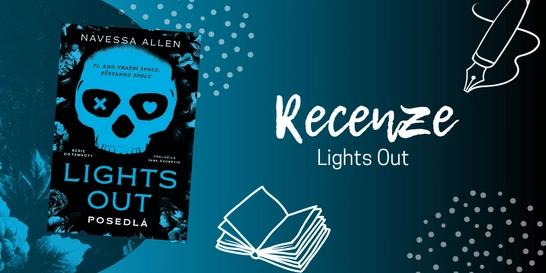
Už jste také někdy spadli do pasti algoritmu sociálních sítí? Znáte to....

Ne vždycky má člověk chuť vyrážet na nákup do obchodního centra. Někdy...

Pokud jste unavení ze všech těch varování, že světu hrozí atomová válka...
4 785 Kč s DPH
Jsme transparentní
Od autorky bestselleru Divé ženy
Román, který vás zavede na větrný australský útes, do městečka opředeného legendami a mezi ženy, jejichž příběhy měly zůstat navždy zapomenuty.

Mohlo by vás zajímat
Nová gotická dark romance
Mrtví živé učí. Anatomie hříchu v rukou nebezpečně přitažlivého patologa
Mohlo by vás zajímat
Zběsilý postapo svět. Tvrdá pravidla.
Druhý díl, který přitvrzuje. Sněgoňová & Kotleta servírují Arénu, kde přežijí jen ti nejtvrdší. Ostatní skončí jako krmivo.
Mohlo by vás zajímat
Učebnice, co drží krok s dobou.
Nová generace učebnic, která jede podle nejnovějšího RVP, ne podle Windows 95.
Mohlo by vás zajímat
Modrá klasika do každé aktovky
Žádné zbytečné kouzlení, jen poctivý sešit pro každodenní psaní.
Mohlo by vás zajímat
Rychlejší než blesk!
Rozšiřte svou klasickou sadu o Speed Pack a dodejte vašemu UNO nový život.
Mohlo by vás zajímat
Mohlo by vás zajímat
Barevná zábava pro malé umělce
Ideální aktivita na klidné odpoledne, deštivý den nebo kreativní chvilku bez obrazovek.
Každý měsíc společně přečteme tisíce knih






Tento web je chráněn službou reCAPTCHA a platí pro něj Zásady ochrany soukromí a Smluvní podmínky. | © 2001–2026 DOBROVSKÝ s.r.o. Všechna práva vyhrazena.






 KnihyDobrovsky.cz
 knihydobrovsky
 @knihydobrovskycz
 @knihydobrovsky