

6 červencových novinek, které si přibalit na dovolenou
Slunce svítí, prázdniny jsou v plném proudu a spousta z nás si dopřává...



Kniha ( pevná vazba )


This book presents how urban megaprojects uniquely expose the complexities of competitive authoritarianism. Through an analysis of Skopje 2014, it argues that accelerated, symbolically charged urban transformation reveals how such regimes govern space, manage constraint, and assemble power through the intertwined dynamics of implementation,… Přejít na celý popis

5.0 z 5 hvězdiček
Voucher
5.0 z 5 hvězdiček
Voucher
5.0 z 5 hvězdiček
Voucher
5.0 z 5 hvězdiček
Voucher
This book presents how urban megaprojects uniquely expose the complexities of competitive authoritarianism. Through an analysis of Skopje 2014, it argues that accelerated, symbolically charged urban transformation reveals how such regimes govern space, manage constraint, and assemble power through the intertwined dynamics of implementation, ideology, and resistance. The book offers conceptual and empirical tools to analyse urban megaprojects as windows into the inner workings of competitive authoritarian regimes. It employs a qualitative, process-tracing approach grounded in historical analysis and extensive empirical material. It reconstructs the emergence and implementation of Skopje 2014 through interviews, archival and secondary sources, media materials, and close observation of spatial transformation, triangulating evidence across different types of data to capture how authoritarian power operates over time and across arenas. By following Skopje 2014 across political decisions, spatial interventions, and moments of resistance, and by triangulating interviews, historical context, and empirical observation, the analysis makes visible forms of authoritarian coordination, constraint, and adaptation that are rarely captured through institutional or regime-level indicators, the book provides a detailed reconstruction of how an urban megaproject is conceived, implemented, justified, and contested over time. The book is intended for scholars and students in political science, sociology, and urban studies along with historians interested in the politics of urban space and long-term patterns of development. It will also be of interest to researchers and graduate students focusing on Southeastern Europe, comparative authoritarianism, and urban design politics, as well as policy analysts and practitioners concerned with urban governance and authoritarian politics.
0.0 z 5 0 hodnocení čtenářů
0× 5 hvězdiček 0× 4 hvězdičky 0× 3 hvězdičky 0× 2 hvězdičky 0× 1 hvezdička
Získejte přehled o vývoji ceny za posledních 60 dní.
Slunce svítí, prázdniny jsou v plném proudu a spousta z nás si dopřává...

Pokud vám seriál Heated Rivalry (Spalující rivalita) nedal spát a zhlédli...
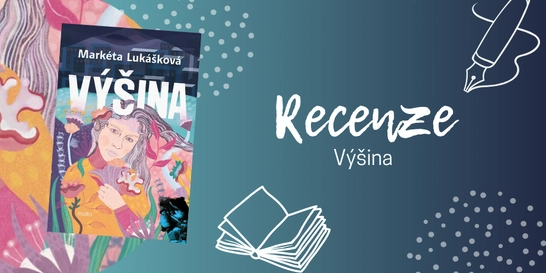
Pokud nevíte, zda sáhnout po „nové Lukáškové“, váš osobní...

Tahle kniha se ke mně původně dostala jen proto, abych ji předala někomu z...

Nestihli jste naše žhavé literární odpoledne na Masarykově nádraží, nebo...
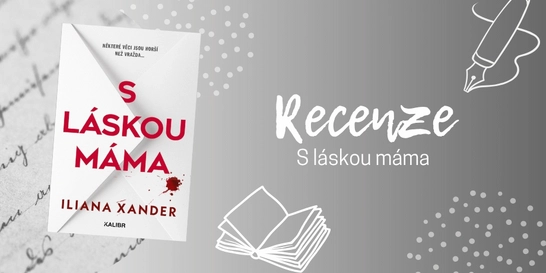
Po dočtení poslední knihy, která byla na můj vkus až příliš...

Už jste také někdy spadli do pasti algoritmu sociálních sítí? Znáte to....

Ne vždycky má člověk chuť vyrážet na nákup do obchodního centra. Někdy...
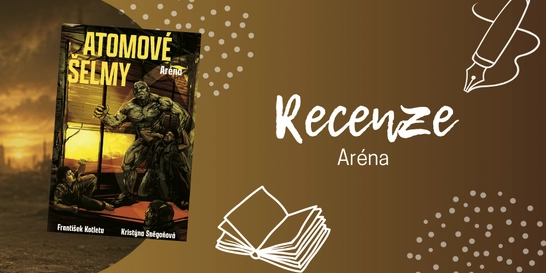
Pokud jste unavení ze všech těch varování, že světu hrozí atomová válka...
Nový román Viktorie Hanišové
Když se její otec upálí před Poslaneckou sněmovnou, začne Lada hledat důvody jeho činu.

Mohlo by vás zajímat
Nový román Viktorie Hanišové
Když se její otec upálí před Poslaneckou sněmovnou, začne Lada hledat důvody jeho činu.
Mohlo by vás zajímat
Zběsilý postapo svět. Tvrdá pravidla.
Druhý díl, který přitvrzuje. Sněgoňová & Kotleta servírují Arénu, kde přežijí jen ti nejtvrdší. Ostatní skončí jako krmivo.
Mohlo by vás zajímat
Učebnice, co drží krok s dobou.
Nová generace učebnic, která jede podle nejnovějšího RVP, ne podle Windows 95.
Mohlo by vás zajímat
Ať víte, kdy je matika, keramika i posilovna
Rozvrhy, kroužky, poznámky i důležité termíny pěkně pohromadě. Praktický školní kalendář pomůže sladit povinnosti i volný čas bez zbytečného zmatku.
Mohlo by vás zajímat
Rychlejší než blesk!
Rozšiřte svou klasickou sadu o Speed Pack a dodejte vašemu UNO nový život.
Mohlo by vás zajímat
Mohlo by vás zajímat
Malý kousek galerie na knížky, drobnosti i menší nákup
Plátěná taška Paperblanks Natsu díky pevné bavlněné látce unese až 7 kg.
Každý měsíc společně přečteme tisíce knih







Tento web je chráněn službou reCAPTCHA a platí pro něj Zásady ochrany soukromí a Smluvní podmínky. | © 2001–2026 DOBROVSKÝ s.r.o. Všechna práva vyhrazena.






 KnihyDobrovsky.cz
 knihydobrovsky
 @knihydobrovskycz
 @knihydobrovsky