

6 červencových novinek, které si přibalit na dovolenou
Slunce svítí, prázdniny jsou v plném proudu a spousta z nás si dopřává...



Kniha ( měkká vazba )
1 716 Kč s DPH
Jsme transparentní


This book studies different classification, detection, and decision fusion algorithms, and it helps practitioners deal with uncertainty in their data sets. Data uncertainties are considered as a collection of linguistic/fuzzy values or a vector of fuzzy numbers, and fuzzy algorithms are used to analyze these data sets. There are many theories… Přejít na celý popis

5.0 z 5 hvězdiček
Voucher
5.0 z 5 hvězdiček
Voucher
5.0 z 5 hvězdiček
Voucher
5.0 z 5 hvězdiček
Voucher
This book studies different classification, detection, and decision fusion algorithms, and it helps practitioners deal with uncertainty in their data sets. Data uncertainties are considered as a collection of linguistic/fuzzy values or a vector of fuzzy numbers, and fuzzy algorithms are used to analyze these data sets. There are many theories and applications developed based on fuzzy set theory. The topics of classification and prediction using fuzzy algorithms are introduced in the chapters on K-nearest prototype, clustering, and neural networks. The linguistic/fuzzy algorithm is designed to work with linguistic data represented by fuzzy vectors. The linguistic K-nearest prototypes algorithm is particularly useful in fields where data is inherently imprecise or fuzzy, such as in management questionnaire analysis, where responses may not be strictly quantitative. The reader also learns about clustering algorithms, such as linguistic hard C-means and linguistic fuzzy C-means, for hard and fuzzy partitions, respectively. The book explores the integration of fuzzy multilayer perceptrons (FMLPs) with the cuckoo search (CS) algorithm to enhance the performance and applicability of neural networks in handling complex fuzzy data. The extended version of two commonly used fuzzy integrals covered include the Choquet and the Sugeno integrals. Mathematical analysis of these algorithms is included in the study of the different approaches each takes to the aggregation of uncertain data. Both integrals are powerful tools for handling fuzzy data, and their use in improving decision-making and analysis is demonstrated through real-world application examples using both of these algorithms. Very importantly, decision fusion is studied using fuzzy Dempster–Shafer theory with a real-world example of an application. This book serves as a guide for practitioners, such as robotics engineers, computer scientists, and researchers working on computational intelligence. It is also suitable for graduate courses on fuzzy theories and fuzzy techniques.
0.0 z 5 0 hodnocení čtenářů
0× 5 hvězdiček 0× 4 hvězdičky 0× 3 hvězdičky 0× 2 hvězdičky 0× 1 hvezdička
Získejte přehled o vývoji ceny za posledních 60 dní.
Slunce svítí, prázdniny jsou v plném proudu a spousta z nás si dopřává...

Pokud vám seriál Heated Rivalry (Spalující rivalita) nedal spát a zhlédli...
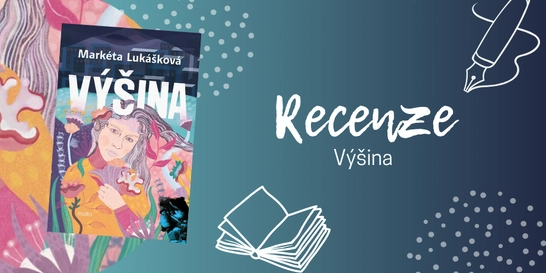
Pokud nevíte, zda sáhnout po „nové Lukáškové“, váš osobní...

Tahle kniha se ke mně původně dostala jen proto, abych ji předala někomu z...

Nestihli jste naše žhavé literární odpoledne na Masarykově nádraží, nebo...
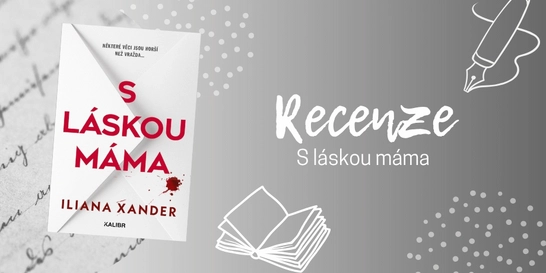
Po dočtení poslední knihy, která byla na můj vkus až příliš...
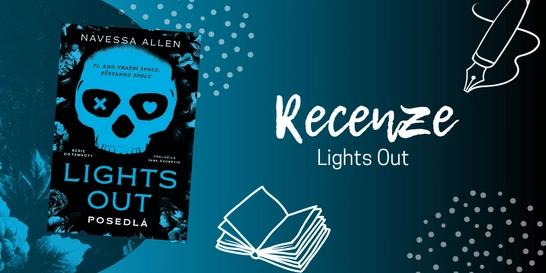
Už jste také někdy spadli do pasti algoritmu sociálních sítí? Znáte to....
Ne vždycky má člověk chuť vyrážet na nákup do obchodního centra. Někdy...

Pokud jste unavení ze všech těch varování, že světu hrozí atomová válka...
1 716 Kč s DPH
Jsme transparentní
Stromová města, rituální vraždy a zakázaná vášeň
Nová romantasy Šárky Przewozné vás vtáhne do světa bohů, proroctví a dávných lží, kde jediná dívka může změnit vše, čemu její rod po generace věřil.

Mohlo by vás zajímat
Nový román Viktorie Hanišové
Když se její otec upálí před Poslaneckou sněmovnou, začne Lada hledat důvody jeho činu.
Mohlo by vás zajímat
Zběsilý postapo svět. Tvrdá pravidla.
Druhý díl, který přitvrzuje. Sněgoňová & Kotleta servírují Arénu, kde přežijí jen ti nejtvrdší. Ostatní skončí jako krmivo.
Mohlo by vás zajímat
Učebnice, co drží krok s dobou.
Nová generace učebnic, která jede podle nejnovějšího RVP, ne podle Windows 95.
Mohlo by vás zajímat
Modrá klasika do každé aktovky
Žádné zbytečné kouzlení, jen poctivý sešit pro každodenní psaní.
Mohlo by vás zajímat
Rychlejší než blesk!
Rozšiřte svou klasickou sadu o Speed Pack a dodejte vašemu UNO nový život.
Mohlo by vás zajímat
Královna oslavy!
Cleo září ve zlatém outfitu a přináší monstrózní narozeninovou radost. Přidejte ji do své sbírky Monster High a rozjeďte párty!
Mohlo by vás zajímat
Barevná zábava pro malé umělce
Ideální aktivita na klidné odpoledne, deštivý den nebo kreativní chvilku bez obrazovek.
Každý měsíc společně přečteme tisíce knih






Tento web je chráněn službou reCAPTCHA a platí pro něj Zásady ochrany soukromí a Smluvní podmínky. | © 2001–2026 DOBROVSKÝ s.r.o. Všechna práva vyhrazena.






 KnihyDobrovsky.cz
 knihydobrovsky
 @knihydobrovskycz
 @knihydobrovsky