
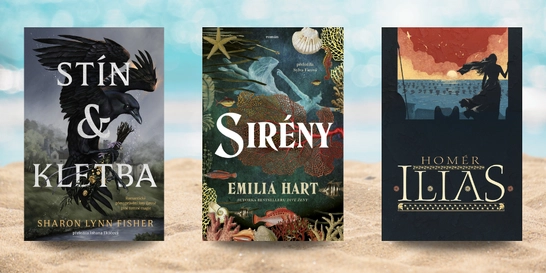
6 červencových novinek, které si přibalit na dovolenou
Slunce svítí, prázdniny jsou v plném proudu a spousta z nás si dopřává...



Kniha ( měkká vazba )


Although numerous essays on Aboriginal archaeology and historical accounts have explored the characteristics of Indigenous communities at the onset of colonization, academic criticism has largely overlooked their representation in Cuban literature and art. This book addresses that critical gap, emphasizing the significance of Indigenous… Přejít na celý popis

5.0 z 5 hvězdiček
Voucher
5.0 z 5 hvězdiček
Voucher
5.0 z 5 hvězdiček
Voucher
5.0 z 5 hvězdiček
Voucher
Although numerous essays on Aboriginal archaeology and historical accounts have explored the characteristics of Indigenous communities at the onset of colonization, academic criticism has largely overlooked their representation in Cuban literature and art. This book addresses that critical gap, emphasizing the significance of Indigenous figures in the Cuban social imagination from the late eighteenth to the late nineteenth centuries. It examines a range of cultural texts—including poems, caricatures, plays, and essays—that depict Indigenous characters within both proto-nationalist and pro-Spanish discourses. In the former, the Indigenous figure serves to critique colonial authority and assert a rightful claim to the land; in the latter, it is used to ridicule Cuban separatists. The book's theoretical framework draws on the works of Bronislaw Baczko, Benedict Anderson, and others to explore the formation of Creole social subjectivity and to illuminate the ideological conflicts embedded within the colonial order. Aunque numerosos ensayos sobre arqueologÃa aborigen y relatos históricos han explorado las caracterÃsticas de las comunidades indÃgenas al inicio de la colonización, la crÃtica académica ha pasado por alto en gran medida su representación en la literatura y el arte cubanos. Este libro viene a llenar esa laguna crÃtica, enfatizando la importancia de las figuras indÃgenas en el imaginario social de la isla desde finales del siglo XVIII hasta finales del siglo XIX. Examina una gama de textos culturales—incluyendo poemas, caricaturas, obras de teatro y ensayos—que representan personajes aborÃgenes dentro de discursos tanto protonacionalistas como pro-españoles. En los primeros, la figura del indÃgena sirve para criticar la autoridad colonial y afirmar un derecho legÃtimo a la tierra; en los segundos, se utiliza para ridiculizar a los separatistas cubanos. El marco teórico del libro se basa en las obras de Bronislaw Baczko, Benedict Anderson y otros autores, con el cual este libro explora la formación de la subjetividad social criolla e ilumina los conflictos ideológicos que se desarrollaron dentro del orden colonial.
0.0 z 5 0 hodnocení čtenářů
0× 5 hvězdiček 0× 4 hvězdičky 0× 3 hvězdičky 0× 2 hvězdičky 0× 1 hvezdička
Získejte přehled o vývoji ceny za posledních 60 dní.
Slunce svítí, prázdniny jsou v plném proudu a spousta z nás si dopřává...

Pokud vám seriál Heated Rivalry (Spalující rivalita) nedal spát a zhlédli...
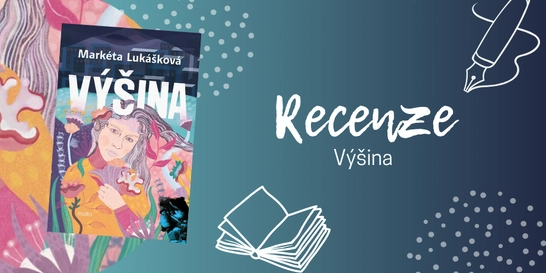
Pokud nevíte, zda sáhnout po „nové Lukáškové“, váš osobní...

Tahle kniha se ke mně původně dostala jen proto, abych ji předala někomu z...

Nestihli jste naše žhavé literární odpoledne na Masarykově nádraží, nebo...
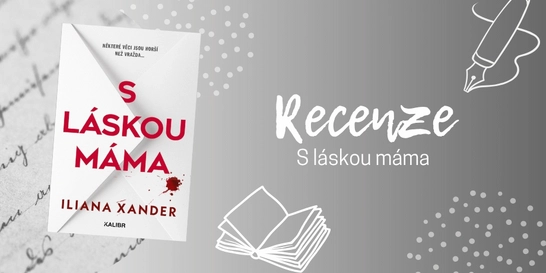
Po dočtení poslední knihy, která byla na můj vkus až příliš...
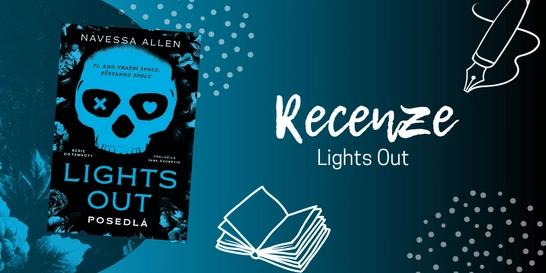
Už jste také někdy spadli do pasti algoritmu sociálních sítí? Znáte to....

Ne vždycky má člověk chuť vyrážet na nákup do obchodního centra. Někdy...
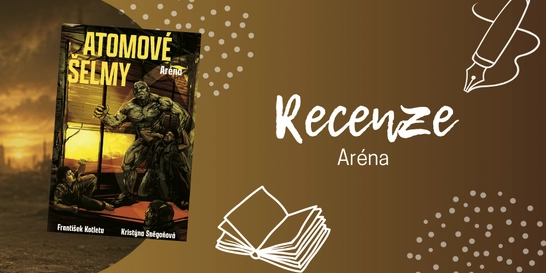
Pokud jste unavení ze všech těch varování, že světu hrozí atomová válka...
Zběsilá postapo jízda pokračuje
Hřbitov není místo pro slabé povahy ani pro romantické procházky za soumraku. Postapo nářez plný mutací, šílenství a bohů, kteří možná nikdy neměli být probuzeni.

Mohlo by vás zajímat
Zběsilá postapo jízda pokračuje
Hřbitov není místo pro slabé povahy ani pro romantické procházky za soumraku. Postapo nářez plný mutací, šílenství a bohů, kteří možná nikdy neměli být probuzeni.
Mohlo by vás zajímat
Tři ženy, pět století, jedno tajemství...
Dechberoucí příběh o ženské síle, odhodlání a hlubokém spojení s přírodou.
Mohlo by vás zajímat
Učebnice, co drží krok s dobou.
Nová generace učebnic, která jede podle nejnovějšího RVP, ne podle Windows 95.
Mohlo by vás zajímat
Modrá klasika do každé aktovky
Žádné zbytečné kouzlení, jen poctivý sešit pro každodenní psaní.
Mohlo by vás zajímat
Rychlejší než blesk!
Rozšiřte svou klasickou sadu o Speed Pack a dodejte vašemu UNO nový život.
Mohlo by vás zajímat
Královna oslavy!
Cleo září ve zlatém outfitu a přináší monstrózní narozeninovou radost. Přidejte ji do své sbírky Monster High a rozjeďte párty!
Mohlo by vás zajímat
Barevná zábava pro malé umělce
Ideální aktivita na klidné odpoledne, deštivý den nebo kreativní chvilku bez obrazovek.
Každý měsíc společně přečteme tisíce knih







Tento web je chráněn službou reCAPTCHA a platí pro něj Zásady ochrany soukromí a Smluvní podmínky. | © 2001–2026 DOBROVSKÝ s.r.o. Všechna práva vyhrazena.






 KnihyDobrovsky.cz
 knihydobrovsky
 @knihydobrovskycz
 @knihydobrovsky