

6 červencových novinek, které si přibalit na dovolenou
Slunce svítí, prázdniny jsou v plném proudu a spousta z nás si dopřává...



Kniha ( měkká vazba )
891 Kč s DPH
Jsme transparentní


Despite decades of inflammatory rhetoric, the real risk of video games lies not in their violent imagery but in the ethical and political sensibilities they normalize. Video games reward speed, efficiency, control, and meritocratic mastery, training players to align with a technolibertarian worldview – one that celebrates individual will,… Přejít na celý popis

5.0 z 5 hvězdiček
Voucher
5.0 z 5 hvězdiček
Voucher
5.0 z 5 hvězdiček
Voucher
5.0 z 5 hvězdiček
Voucher
Despite decades of inflammatory rhetoric, the real risk of video games lies not in their violent imagery but in the ethical and political sensibilities they normalize. Video games reward speed, efficiency, control, and meritocratic mastery, training players to align with a technolibertarian worldview – one that celebrates individual will, technological power, and skepticism toward collective forms of governance. Rather than asking whether games produce violent individuals, we might more productively ask how they contribute to a commitment to radical capitalism and a belief in highly individualistic worldviews. In this unsettling work David Waddington traces the philosophical roots of technolibertarianism, founded on faith in technological progress and personal freedom. He identifies a darker turn in this thinking, animated by the ideals of Ayn Rand and her archetype of the “tech hero of capitalism.†Many games, Waddington argues, invite players to inhabit this archetype, treating mastery, control, and relentless striving as moral virtues. While educational research often praises games for motivating students and fostering problem-solving, Waddington asks a deeper question: What kinds of people do games help us become? Drawing on the ideas of Martin Heidegger and other thinkers, he explores whether gameplay expands human possibility or narrows it by habituating players to efficient yet restrictive systems. The Hidden Curriculum of Video Games critiques mainstream game design and educational technology, offering hopeful alternatives and examining reflective games that resist dominant gameplay logics. Written with clarity, passion, and philosophical depth, this thought-provoking work opens new horizons on technology, education, and the moral imagination of play.
0.0 z 5 0 hodnocení čtenářů
0× 5 hvězdiček 0× 4 hvězdičky 0× 3 hvězdičky 0× 2 hvězdičky 0× 1 hvezdička
Získejte přehled o vývoji ceny za posledních 60 dní.
Slunce svítí, prázdniny jsou v plném proudu a spousta z nás si dopřává...

Pokud vám seriál Heated Rivalry (Spalující rivalita) nedal spát a zhlédli...
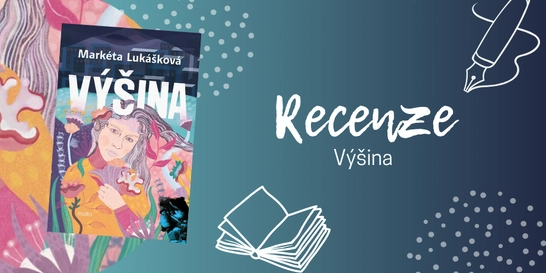
Pokud nevíte, zda sáhnout po „nové Lukáškové“, váš osobní...

Tahle kniha se ke mně původně dostala jen proto, abych ji předala někomu z...

Nestihli jste naše žhavé literární odpoledne na Masarykově nádraží, nebo...
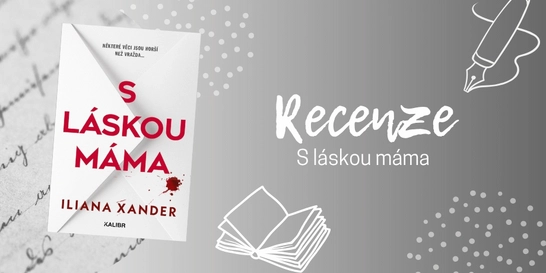
Po dočtení poslední knihy, která byla na můj vkus až příliš...
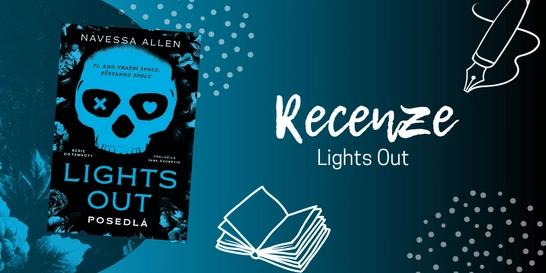
Už jste také někdy spadli do pasti algoritmu sociálních sítí? Znáte to....

Ne vždycky má člověk chuť vyrážet na nákup do obchodního centra. Někdy...
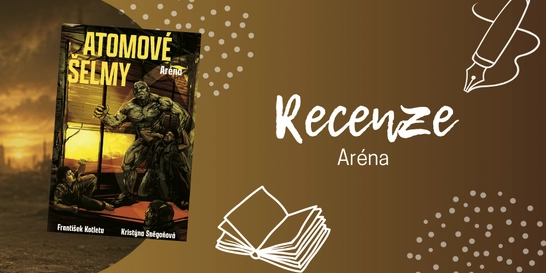
Pokud jste unavení ze všech těch varování, že světu hrozí atomová válka...
891 Kč s DPH
Jsme transparentní
Nová temná romance od Tess M. Puffrové
Měl to být nový začátek. Místo toho ji čeká nebezpečně přitažlivý student, stalking a les plný tajemství, která se neměla dostat ven.

Mohlo by vás zajímat
Nová gotická dark romance
Mrtví živé učí. Anatomie hříchu v rukou nebezpečně přitažlivého patologa
Mohlo by vás zajímat
Zběsilý postapo svět. Tvrdá pravidla.
Druhý díl, který přitvrzuje. Sněgoňová & Kotleta servírují Arénu, kde přežijí jen ti nejtvrdší. Ostatní skončí jako krmivo.
Mohlo by vás zajímat
Matika, co počítá s budoucností.
Učebnice, která propojuje čísla, logiku i technologie. Protože i vzorce jdou s dobou.
Mohlo by vás zajímat
Ať víte, kdy je matika, keramika i posilovna
Rozvrhy, kroužky, poznámky i důležité termíny pěkně pohromadě. Praktický školní kalendář pomůže sladit povinnosti i volný čas bez zbytečného zmatku.
Mohlo by vás zajímat
Rychlejší než blesk!
Rozšiřte svou klasickou sadu o Speed Pack a dodejte vašemu UNO nový život.
Mohlo by vás zajímat
Mohlo by vás zajímat
Malý kousek galerie na knížky, drobnosti i menší nákup
Plátěná taška Paperblanks Natsu díky pevné bavlněné látce unese až 7 kg.
Každý měsíc společně přečteme tisíce knih







Tento web je chráněn službou reCAPTCHA a platí pro něj Zásady ochrany soukromí a Smluvní podmínky. | © 2001–2026 DOBROVSKÝ s.r.o. Všechna práva vyhrazena.






 KnihyDobrovsky.cz
 knihydobrovsky
 @knihydobrovskycz
 @knihydobrovsky