
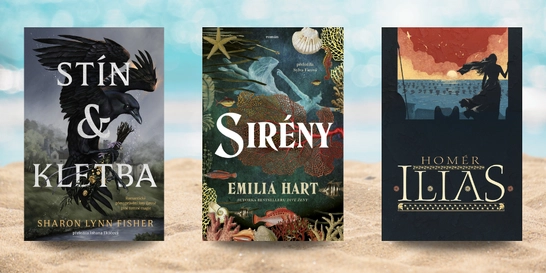
6 červencových novinek, které si přibalit na dovolenou
Slunce svítí, prázdniny jsou v plném proudu a spousta z nás si dopřává...



Kniha ( měkká vazba )


An in-depth examination of the regulatory, entrepreneurial, and organizational factors contributing to the expansion and transformation of China’s supplemental education industry. Like many parents in the United States, parents in China, increasingly concerned with their children’s academic performance, are turning to for-profit tutoring… Přejít na celý popis

5.0 z 5 hvězdiček
Voucher
5.0 z 5 hvězdiček
Voucher
5.0 z 5 hvězdiček
Voucher
5.0 z 5 hvězdiček
Voucher
An in-depth examination of the regulatory, entrepreneurial, and organizational factors contributing to the expansion and transformation of China’s supplemental education industry. Like many parents in the United States, parents in China, increasingly concerned with their children’s academic performance, are turning to for-profit tutoring businesses to help their children get ahead in school. China’s supplemental education industry is now the world’s largest and most vibrant for-profit education market, and we can see its influence on the US higher education system: more than 70% of Chinese students studying in American universities have taken test preparation classes for overseas standardized tests. The Fruits of Opportunism offers a much-needed thorough investigation into this industry. This book examines how opportunistic organizations thrived in an ambiguous policy environment and how they catalyzed organizational and institutional changes in this industry. A former insider in China’s Education Industry, sociologist Le Lin shows how and why this industry evolved to become a for-profit one dominated by private, formal, nationally operating, and globally financed corporations, despite restrictions the Chinese state placed on the industry. Looking closely at the opportunistic organizations that were founded by marginal entrepreneurs and quickly came to dominate the market, Lin finds that as their non-compliant practices spread across the industry, these opportunistic organizations pushed privatization and marketization from below. The case of China’s Education Industry laid out in The Fruits of Opportunism illustrates that while opportunism leaves destruction in its wake, it can also drive the formation and evolution of a market.
0.0 z 5 0 hodnocení čtenářů
0× 5 hvězdiček 0× 4 hvězdičky 0× 3 hvězdičky 0× 2 hvězdičky 0× 1 hvezdička
Získejte přehled o vývoji ceny za posledních 60 dní.
Slunce svítí, prázdniny jsou v plném proudu a spousta z nás si dopřává...

Pokud vám seriál Heated Rivalry (Spalující rivalita) nedal spát a zhlédli...
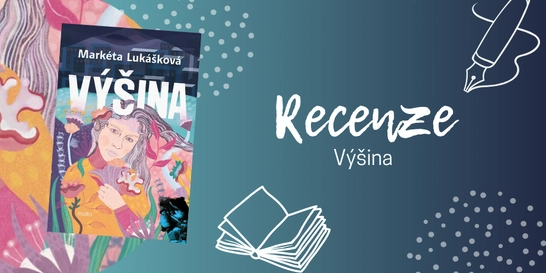
Pokud nevíte, zda sáhnout po „nové Lukáškové“, váš osobní...

Tahle kniha se ke mně původně dostala jen proto, abych ji předala někomu z...

Nestihli jste naše žhavé literární odpoledne na Masarykově nádraží, nebo...
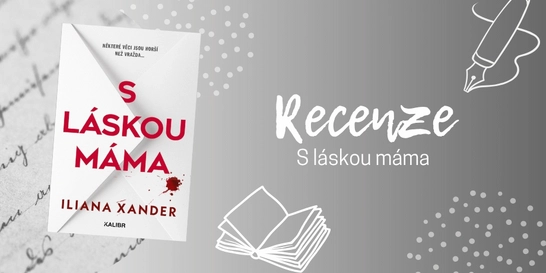
Po dočtení poslední knihy, která byla na můj vkus až příliš...
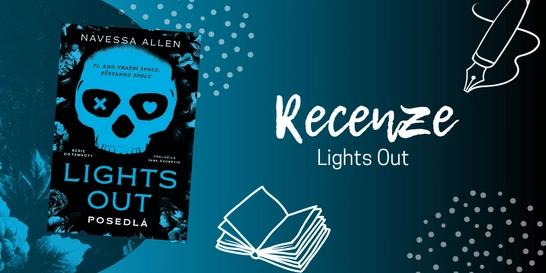
Už jste také někdy spadli do pasti algoritmu sociálních sítí? Znáte to....
Ne vždycky má člověk chuť vyrážet na nákup do obchodního centra. Někdy...
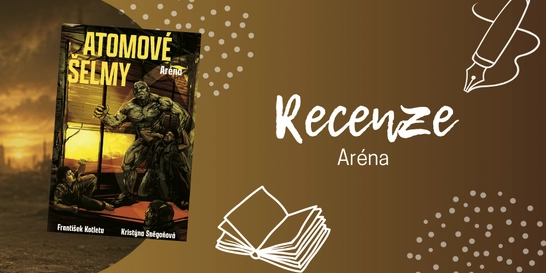
Pokud jste unavení ze všech těch varování, že světu hrozí atomová válka...
Stromová města, rituální vraždy a zakázaná vášeň
Nová romantasy Šárky Przewozné vás vtáhne do světa bohů, proroctví a dávných lží, kde jediná dívka může změnit vše, čemu její rod po generace věřil.

Mohlo by vás zajímat
Nový román Viktorie Hanišové
Když se její otec upálí před Poslaneckou sněmovnou, začne Lada hledat důvody jeho činu.
Mohlo by vás zajímat
Nová temná romance od Tess M. Puffrové
Měl to být nový začátek. Místo toho ji čeká nebezpečně přitažlivý student, stalking a les plný tajemství, která se neměla dostat ven.
Mohlo by vás zajímat
Učebnice, co drží krok s dobou.
Nová generace učebnic, která jede podle nejnovějšího RVP, ne podle Windows 95.
Mohlo by vás zajímat
Ať víte, kdy je matika, keramika i posilovna
Rozvrhy, kroužky, poznámky i důležité termíny pěkně pohromadě. Praktický školní kalendář pomůže sladit povinnosti i volný čas bez zbytečného zmatku.
Mohlo by vás zajímat
UNO, tvrdší než kdy předtím
Nelítostné karty, brutální postihy, škodolibá radost a taktické bitvy!
Mohlo by vás zajímat
Královna oslavy!
Cleo září ve zlatém outfitu a přináší monstrózní narozeninovou radost. Přidejte ji do své sbírky Monster High a rozjeďte párty!
Mohlo by vás zajímat
Barevná zábava pro malé umělce
Ideální aktivita na klidné odpoledne, deštivý den nebo kreativní chvilku bez obrazovek.
Každý měsíc společně přečteme tisíce knih







Tento web je chráněn službou reCAPTCHA a platí pro něj Zásady ochrany soukromí a Smluvní podmínky. | © 2001–2026 DOBROVSKÝ s.r.o. Všechna práva vyhrazena.






 KnihyDobrovsky.cz
 knihydobrovsky
 @knihydobrovskycz
 @knihydobrovsky