

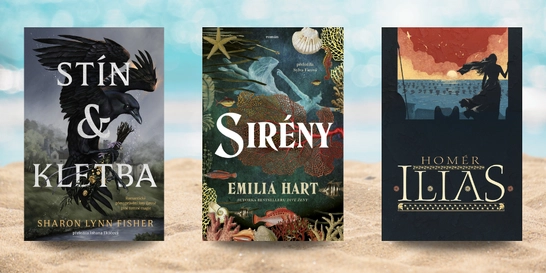
6 červencových novinek, které si přibalit na dovolenou
Slunce svítí, prázdniny jsou v plném proudu a spousta z nás si dopřává...



Kniha ( pevná vazba )


The first book to detail the global impact of copper production in Swansea, Wales, and how a major technological shift transformed the British Isles into the world's most dynamic center of copper smelting. Eighteenth-century Swansea, Wales, was to copper what nineteenth-century Manchester was to cotton or twentieth-century Detroit to the… Přejít na celý popis
The first book to detail the global impact of copper production in Swansea, Wales, and how a major technological shift transformed the British Isles into the world's most dynamic center of copper smelting. Eighteenth-century Swansea, Wales, was to copper what nineteenth-century Manchester was to cotton or twentieth-century Detroit to the automobile. Beginning around 1700, Swansea became the place where a revolutionary new method of smelting copper, later christened the Welsh Process, flourished. Using mineral coal as a source of energy, Swansea's smelters were able to produce copper in volumes that were quite unthinkable in the old, established smelting centers of central Europe and Scandinavia. After some tentative first steps, the Swansea district became a smelting center of European, then global, importance. Between the 1770s and the 1840s, the Swansea district routinely produced one-third of the world's smelted copper, sometimes more. In Swansea Copper, Chris Evans and Louise Miskell trace the history of copper making in Britain from the late seventeenth century, when the Welsh Process transformed Britain's copper industry, to the 1890s, when Swansea's reign as the dominant player in the world copper trade entered an absolute decline. Moving backward and forward in time, Evans and Miskell begin by examining the place of copper in baroque Europe, surveying the productive landscape into which Swansea Copper erupted and detailing the means by which it did so. They explain how Swansea copper achieved global dominance in the years between the Seven Years' War and Waterloo, explore new commercial regulations that allowed the importation to Britain of copper ore from around the world, and connect the rise of the copper trade to the rise of the transatlantic slave trade. They also examine the competing rise of the post–Civil War US copper industry. Whereas many contributions to global history focus on high-end consumer goods—Chinese ceramics, Indian cottons, and the like—Swansea Copper examines a producer good, a metal that played a key role in supporting new technologies of the industrial age, like steam power and electricity. Deftly showing how deeply mineral history is ingrained in the history of the modern world, Evans and Miskell present new research not just on Swansea itself but on the places its copper industry affected: mining towns in Cuba, Chile, southern Africa, and South Australia. This insightful book will be of interest to anyone concerned with the historical roots of globalization and the Industrial Revolution as a global phenomenon.
0.0 z 5 0 hodnocení čtenářů
0× 5 hvězdiček 0× 4 hvězdičky 0× 3 hvězdičky 0× 2 hvězdičky 0× 1 hvezdička
Získejte přehled o vývoji ceny za posledních 60 dní.
Slunce svítí, prázdniny jsou v plném proudu a spousta z nás si dopřává...

Pokud vám seriál Heated Rivalry (Spalující rivalita) nedal spát a zhlédli...
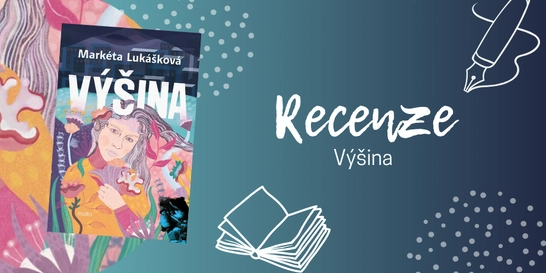
Pokud nevíte, zda sáhnout po „nové Lukáškové“, váš osobní...

Tahle kniha se ke mně původně dostala jen proto, abych ji předala někomu z...
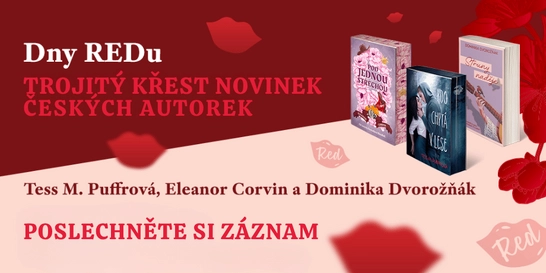
Nestihli jste naše žhavé literární odpoledne na Masarykově nádraží, nebo...
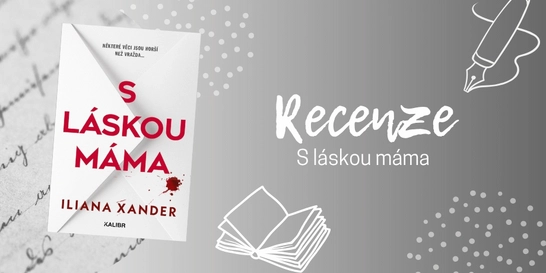
Po dočtení poslední knihy, která byla na můj vkus až příliš...
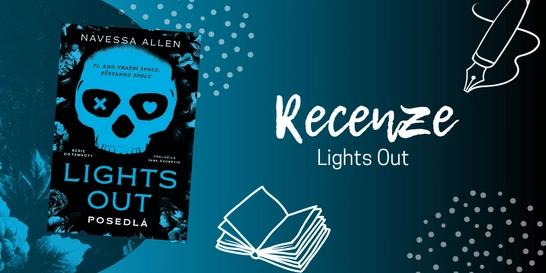
Už jste také někdy spadli do pasti algoritmu sociálních sítí? Znáte to....
Ne vždycky má člověk chuť vyrážet na nákup do obchodního centra. Někdy...
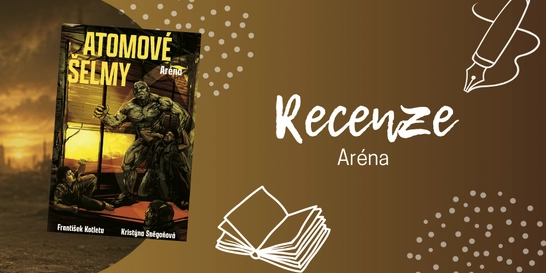
Pokud jste unavení ze všech těch varování, že světu hrozí atomová válka...
Začalo to jako hra. Skončí to zlomeným srdcem?
Od smrti rodičů si jsou Athalia a její dvojče čím dál vzdálenější. Aby získala bratrovu pozornost zpět, začne předstírat vztah s jeho největším rivalem Dylanem.

Mohlo by vás zajímat
Nová gotická dark romance
Mrtví živé učí. Anatomie hříchu v rukou nebezpečně přitažlivého patologa
Mohlo by vás zajímat
Tři ženy, pět století, jedno tajemství...
Dechberoucí příběh o ženské síle, odhodlání a hlubokém spojení s přírodou.
Mohlo by vás zajímat
Učebnice, co drží krok s dobou.
Nová generace učebnic, která jede podle nejnovějšího RVP, ne podle Windows 95.
Mohlo by vás zajímat
Modrá klasika do každé aktovky
Žádné zbytečné kouzlení, jen poctivý sešit pro každodenní psaní.
Mohlo by vás zajímat
UNO, tvrdší než kdy předtím
Nelítostné karty, brutální postihy, škodolibá radost a taktické bitvy!
Mohlo by vás zajímat
Mohlo by vás zajímat
Malý kousek galerie na knížky, drobnosti i menší nákup
Plátěná taška Paperblanks Natsu díky pevné bavlněné látce unese až 7 kg.
Každý měsíc společně přečteme tisíce knih






Tento web je chráněn službou reCAPTCHA a platí pro něj Zásady ochrany soukromí a Smluvní podmínky. | © 2001–2026 DOBROVSKÝ s.r.o. Všechna práva vyhrazena.






 KnihyDobrovsky.cz
 knihydobrovsky
 @knihydobrovskycz
 @knihydobrovsky