
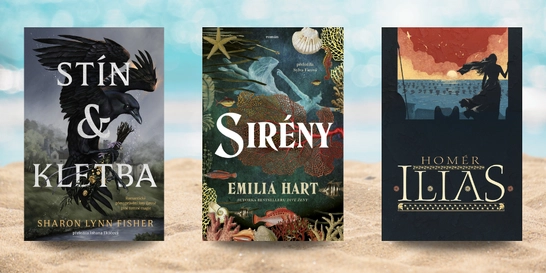
6 červencových novinek, které si přibalit na dovolenou
Slunce svítí, prázdniny jsou v plném proudu a spousta z nás si dopřává...



Kniha ( pevná vazba )


This striking study of the meaning and use of the major spatial prepositions in French provides valuable insight into how the human mind organizes spatial relationships. Most previous analyses of spatial prepositions have assumed that their semantic properties can be adequately explained by familiar logical and geometrical concepts. Thus, the… Přejít na celý popis

5.0 z 5 hvězdiček
Voucher
5.0 z 5 hvězdiček
Voucher
5.0 z 5 hvězdiček
Voucher
5.0 z 5 hvězdiček
Voucher
This striking study of the meaning and use of the major spatial prepositions in French provides valuable insight into how the human mind organizes spatial relationships. Most previous analyses of spatial prepositions have assumed that their semantic properties can be adequately explained by familiar logical and geometrical concepts. Thus, the standard view of the preposition "in" as it appears in the sentence "the ball is in the bag" postulates that it refers to the geometrical relation of inclusion. This paradigm, however, falters when faced with the contrast in acceptability between sentences such as "the bulb is in the socket" and "the bottle is in the cap." The force exerted by the "landmark" (a conceptually fixed object) on the "target" (a moveable object) is crucial in this difference: the functional notion of containment seems more operational in the use of the preposition "in" than inclusion. That is, what are taken to be the landmark and the target depend greatly on the functions these objects serve in the human scheme. This offers important clues to otherwise problematic linguistic quirks, such as why one sleeps in one's bed, while one is said to lie on one's deathbed. While many of the examples apply in English as well as French, there are some noteworthy differences—in French one sits on a chair, but in a couch. Vandeloise convincingly argues that it is precisely this subjective element which makes a standard geometrical account unfeasible.
0.0 z 5 0 hodnocení čtenářů
0× 5 hvězdiček 0× 4 hvězdičky 0× 3 hvězdičky 0× 2 hvězdičky 0× 1 hvezdička
Získejte přehled o vývoji ceny za posledních 60 dní.
Slunce svítí, prázdniny jsou v plném proudu a spousta z nás si dopřává...

Pokud vám seriál Heated Rivalry (Spalující rivalita) nedal spát a zhlédli...
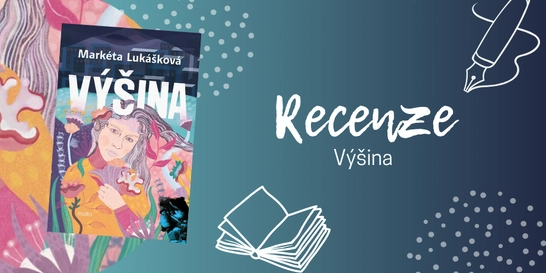
Pokud nevíte, zda sáhnout po „nové Lukáškové“, váš osobní...

Tahle kniha se ke mně původně dostala jen proto, abych ji předala někomu z...
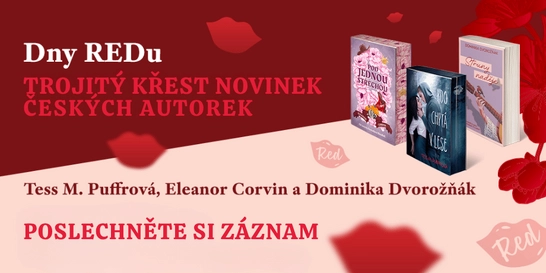
Nestihli jste naše žhavé literární odpoledne na Masarykově nádraží, nebo...
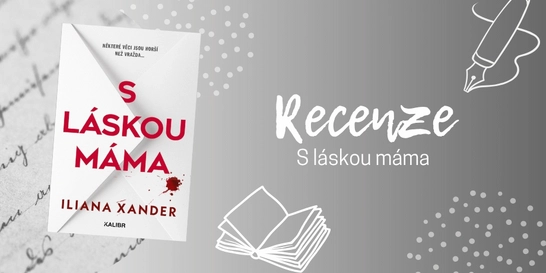
Po dočtení poslední knihy, která byla na můj vkus až příliš...
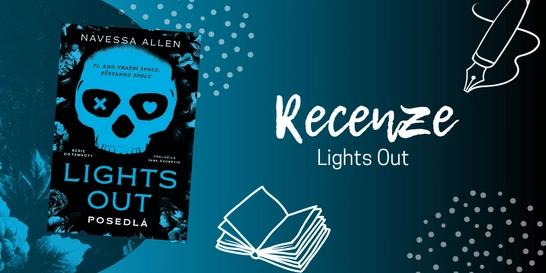
Už jste také někdy spadli do pasti algoritmu sociálních sítí? Znáte to....
Ne vždycky má člověk chuť vyrážet na nákup do obchodního centra. Někdy...
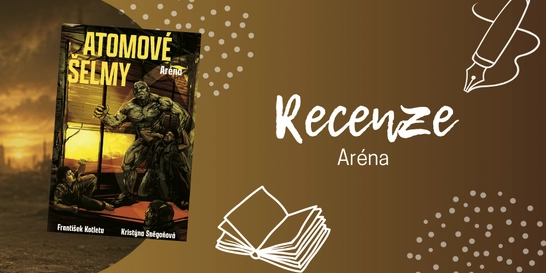
Pokud jste unavení ze všech těch varování, že světu hrozí atomová válka...
Každý konec je začátek něčeho nového
Po smrti manžela odjíždí Pixie na francouzský zámek, který spolu koupili. Místo nového začátku tam ale objeví tajemství, které jí převrátí celý život.

Mohlo by vás zajímat
Nová gotická dark romance
Mrtví živé učí. Anatomie hříchu v rukou nebezpečně přitažlivého patologa
Mohlo by vás zajímat
Zběsilý postapo svět. Tvrdá pravidla.
Druhý díl, který přitvrzuje. Sněgoňová & Kotleta servírují Arénu, kde přežijí jen ti nejtvrdší. Ostatní skončí jako krmivo.
Mohlo by vás zajímat
Hola, amigo!
Seznamte se s Eliškou, Hugem a sovou Listillo – a objevte španělštinu s úsměvem.
Mohlo by vás zajímat
Modrá klasika do každé aktovky
Žádné zbytečné kouzlení, jen poctivý sešit pro každodenní psaní.
Mohlo by vás zajímat
UNO, tvrdší než kdy předtím
Nelítostné karty, brutální postihy, škodolibá radost a taktické bitvy!
Mohlo by vás zajímat
Mohlo by vás zajímat
Barevná zábava pro malé umělce
Ideální aktivita na klidné odpoledne, deštivý den nebo kreativní chvilku bez obrazovek.
Každý měsíc společně přečteme tisíce knih





Tento web je chráněn službou reCAPTCHA a platí pro něj Zásady ochrany soukromí a Smluvní podmínky. | © 2001–2026 DOBROVSKÝ s.r.o. Všechna práva vyhrazena.






 KnihyDobrovsky.cz
 knihydobrovsky
 @knihydobrovskycz
 @knihydobrovsky