
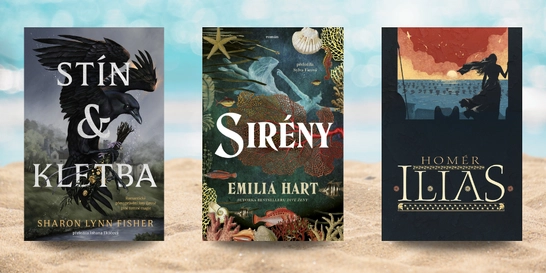
6 červencových novinek, které si přibalit na dovolenou
Slunce svítí, prázdniny jsou v plném proudu a spousta z nás si dopřává...



Kniha ( měkká vazba )


Magallania defines the region between the Santa Cruz river basin to the north and the Fuegian expression of the Andes to the south. It is one of the southernmost spaces in the world and the last to be occupied by humans, a process that occurred at least at the end of the Pleistocene (11,000 to 9,000 AP) and before the complete formation of the… Přejít na celý popis

5.0 z 5 hvězdiček
Voucher
5.0 z 5 hvězdiček
Voucher
5.0 z 5 hvězdiček
Voucher
5.0 z 5 hvězdiček
Voucher
Magallania defines the region between the Santa Cruz river basin to the north and the Fuegian expression of the Andes to the south. It is one of the southernmost spaces in the world and the last to be occupied by humans, a process that occurred at least at the end of the Pleistocene (11,000 to 9,000 AP) and before the complete formation of the Strait of Magellan (ca. 8000 AP). Thereafter, the Strait functioned as a biogeographic barrier, creating conditions for divergent cultural evolution between the populations of the mainland and Tierra del Fuego. For this reason, the archeology of Magallania offers a unique possibility to inquire about the relationship between the environmental dynamics and the spatial organization of populations of hunter-gatherers settled on both sides of the Strait of Magellan. Spanish Description: En su versión original, Magallania es el nombre acuñado por Martinic para definir la región comprendida entre la cuenca del rÃo Santa Cruz al norte hasta la expresión fueguina de la cordillera de los Andes al sur. Es uno de los espacios más australes del mundo y de los últimos en ser ocupados por humanos, proceso que ocurrió al menos a fines del Pleistoceno (11.000 a 9.000 AP) y antes de la completa formación del estrecho de Magallanes (ca. 8000 AP). A partir de entonces el Estrecho funcionó como una barrera biogeográfica, creando condiciones para que ocurra la evolución cultural divergente entre las poblaciones del continente y la Isla Grande de Tierra del Fuego. Por este motivo, la arqueologÃa de Magallania ofrece una posibilidad única para indagar acerca de la relación entre la dinámica ambiental y la organización espacial de las poblaciones de cazadores recolectores asentadas a un lado y otro del estrecho de Magallanes.
0.0 z 5 0 hodnocení čtenářů
0× 5 hvězdiček 0× 4 hvězdičky 0× 3 hvězdičky 0× 2 hvězdičky 0× 1 hvezdička
Získejte přehled o vývoji ceny za posledních 60 dní.
Slunce svítí, prázdniny jsou v plném proudu a spousta z nás si dopřává...

Pokud vám seriál Heated Rivalry (Spalující rivalita) nedal spát a zhlédli...
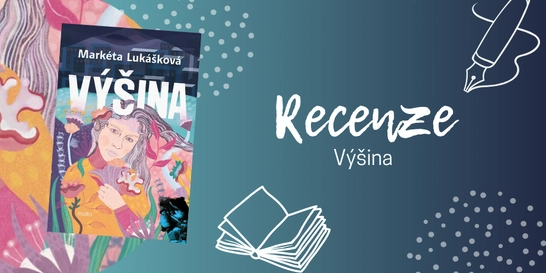
Pokud nevíte, zda sáhnout po „nové Lukáškové“, váš osobní...

Tahle kniha se ke mně původně dostala jen proto, abych ji předala někomu z...

Nestihli jste naše žhavé literární odpoledne na Masarykově nádraží, nebo...
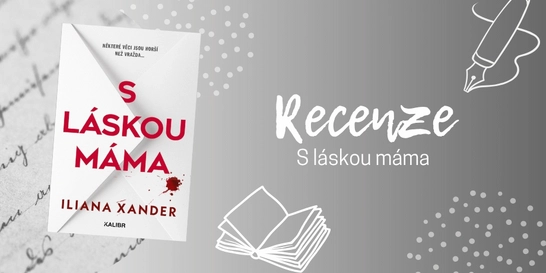
Po dočtení poslední knihy, která byla na můj vkus až příliš...
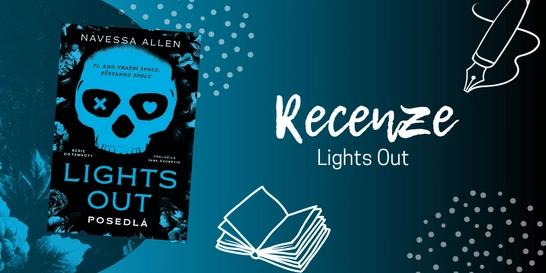
Už jste také někdy spadli do pasti algoritmu sociálních sítí? Znáte to....
Ne vždycky má člověk chuť vyrážet na nákup do obchodního centra. Někdy...
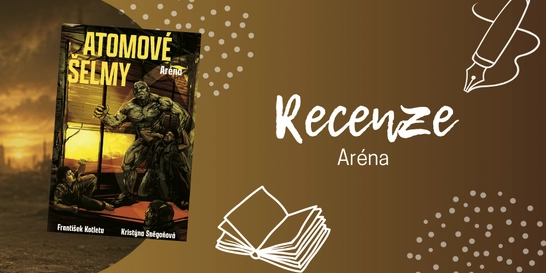
Pokud jste unavení ze všech těch varování, že světu hrozí atomová válka...
Dvě ženy, dvě doby, jeden osud ukrytý v mlze
Starověká Británie zachvácená římským povstáním se prolíná s přítomností mladé Hanny, kterou po návratu domů začnou pronásledovat podivné vize i dávná tajemství.

Mohlo by vás zajímat
Nový román Viktorie Hanišové
Když se její otec upálí před Poslaneckou sněmovnou, začne Lada hledat důvody jeho činu.
Mohlo by vás zajímat
Zběsilý postapo svět. Tvrdá pravidla.
Druhý díl, který přitvrzuje. Sněgoňová & Kotleta servírují Arénu, kde přežijí jen ti nejtvrdší. Ostatní skončí jako krmivo.
Mohlo by vás zajímat
Učebnice, co drží krok s dobou.
Nová generace učebnic, která jede podle nejnovějšího RVP, ne podle Windows 95.
Mohlo by vás zajímat
Modrá klasika do každé aktovky
Žádné zbytečné kouzlení, jen poctivý sešit pro každodenní psaní.
Mohlo by vás zajímat
Rychlejší než blesk!
Rozšiřte svou klasickou sadu o Speed Pack a dodejte vašemu UNO nový život.
Mohlo by vás zajímat
Královna oslavy!
Cleo září ve zlatém outfitu a přináší monstrózní narozeninovou radost. Přidejte ji do své sbírky Monster High a rozjeďte párty!
Mohlo by vás zajímat
Malý kousek galerie na knížky, drobnosti i menší nákup
Plátěná taška Paperblanks Natsu díky pevné bavlněné látce unese až 7 kg.
Každý měsíc společně přečteme tisíce knih







Tento web je chráněn službou reCAPTCHA a platí pro něj Zásady ochrany soukromí a Smluvní podmínky. | © 2001–2026 DOBROVSKÝ s.r.o. Všechna práva vyhrazena.






 KnihyDobrovsky.cz
 knihydobrovsky
 @knihydobrovskycz
 @knihydobrovsky