
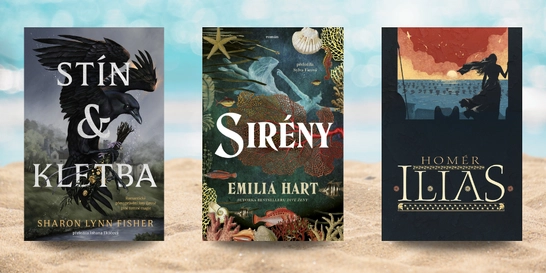
6 červencových novinek, které si přibalit na dovolenou
Slunce svítí, prázdniny jsou v plném proudu a spousta z nás si dopřává...



Kniha ( pevná vazba )


Augustine stands tall in the history of Christian thought as theologian, pastor, and philosopher in equal measure. His work, with its masterful use of language and depth of conceptualization, continues to challenge and resource the theological task. A particular mark of his brilliance lies in his appeal to the commonplace metaphor that the… Přejít na celý popis

5.0 z 5 hvězdiček
Voucher
5.0 z 5 hvězdiček
Voucher
5.0 z 5 hvězdiček
Voucher
5.0 z 5 hvězdiček
Voucher
Augustine stands tall in the history of Christian thought as theologian, pastor, and philosopher in equal measure. His work, with its masterful use of language and depth of conceptualization, continues to challenge and resource the theological task. A particular mark of his brilliance lies in his appeal to the commonplace metaphor that the soul is an eye, a move that is not mere ornamentation but rather indicative of a larger, implicit schema. Tracing this schema not only yields an account of what Augustine thinks but also how he thinks. Amanda Knight presents this aspect of Augustine's thought as an entry point for his understanding of the reformation of the soul, or "psychological" reformation. To demonstrate this claim, Seeing, Knowing, Becoming divides Augustine's theory of sense-perception into three major premises or loci held up as analogs for major theological notions pertinent to psychological reformation: the ontological basis that occasions sensory pleasure or pain and the psychological states that afford delight or repulsion in the encounter with God; the psycho-physical mechanism that causes sensory pleasure or pain and the theory of action and of the will; the way in which two psycho-physical intermediaries make vision possible and the way that two epistemological intermediaries, reason and the incarnate Word of God, make the apprehension of God possible. Pushing beyond the outdated bias that Augustine's figurative language is merely rhetorical, Knight's study is consonant with current research in cognitive science indicating the centrality of metaphor to everyday thought and affectivity. Seeing, Knowing, Becoming contends that Augustine's figurative language is worth plumbing and offers a holistic account of Augustine's view of redemption, bringing together aspects of Augustine's view of personal transformation, moral psychology, ontology, and epistemology.
0.0 z 5 0 hodnocení čtenářů
0× 5 hvězdiček 0× 4 hvězdičky 0× 3 hvězdičky 0× 2 hvězdičky 0× 1 hvezdička
Získejte přehled o vývoji ceny za posledních 60 dní.
Slunce svítí, prázdniny jsou v plném proudu a spousta z nás si dopřává...

Pokud vám seriál Heated Rivalry (Spalující rivalita) nedal spát a zhlédli...
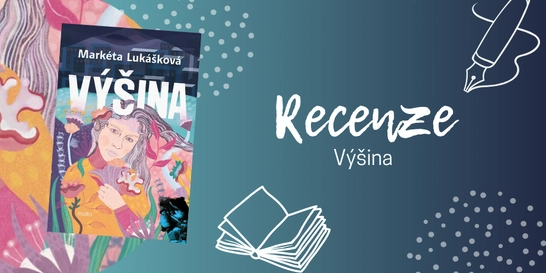
Pokud nevíte, zda sáhnout po „nové Lukáškové“, váš osobní...

Tahle kniha se ke mně původně dostala jen proto, abych ji předala někomu z...

Nestihli jste naše žhavé literární odpoledne na Masarykově nádraží, nebo...
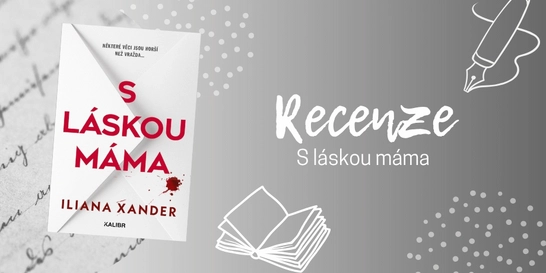
Po dočtení poslední knihy, která byla na můj vkus až příliš...
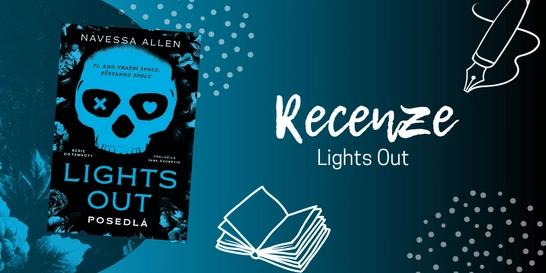
Už jste také někdy spadli do pasti algoritmu sociálních sítí? Znáte to....
Ne vždycky má člověk chuť vyrážet na nákup do obchodního centra. Někdy...
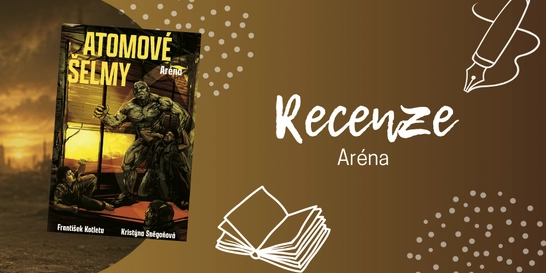
Pokud jste unavení ze všech těch varování, že světu hrozí atomová válka...
Každý konec je začátek něčeho nového
Po smrti manžela odjíždí Pixie na francouzský zámek, který spolu koupili. Místo nového začátku tam ale objeví tajemství, které jí převrátí celý život.

Mohlo by vás zajímat
Caraval vrcholí!
Tella, Scarlett i Legenda stojí před rozhodnutími, která změní jejich osudy. Ve hře je láska, moc i budoucnost celého království.
Mohlo by vás zajímat
Nová temná romance od Tess M. Puffrové
Měl to být nový začátek. Místo toho ji čeká nebezpečně přitažlivý student, stalking a les plný tajemství, která se neměla dostat ven.
Mohlo by vás zajímat
Hola, amigo!
Seznamte se s Eliškou, Hugem a sovou Listillo – a objevte španělštinu s úsměvem.
Mohlo by vás zajímat
Modrá klasika do každé aktovky
Žádné zbytečné kouzlení, jen poctivý sešit pro každodenní psaní.
Mohlo by vás zajímat
Rychlejší než blesk!
Rozšiřte svou klasickou sadu o Speed Pack a dodejte vašemu UNO nový život.
Mohlo by vás zajímat
Mohlo by vás zajímat
Malý kousek galerie na knížky, drobnosti i menší nákup
Plátěná taška Paperblanks Natsu díky pevné bavlněné látce unese až 7 kg.
Každý měsíc společně přečteme tisíce knih






Tento web je chráněn službou reCAPTCHA a platí pro něj Zásady ochrany soukromí a Smluvní podmínky. | © 2001–2026 DOBROVSKÝ s.r.o. Všechna práva vyhrazena.






 KnihyDobrovsky.cz
 knihydobrovsky
 @knihydobrovskycz
 @knihydobrovsky