

6 červencových novinek, které si přibalit na dovolenou
Slunce svítí, prázdniny jsou v plném proudu a spousta z nás si dopřává...



Kniha ( měkká vazba )


Rethinking the Psychology of Place presents a new approach to Professor David Canter's 1977 Psychology of Place. Providing a unified Theory of Place relevant to human transactions with buildings, cities and nature, the book weaves together psychological, architectural and social perspectives to demonstrate that place is a dynamic phenomenon… Přejít na celý popis

5.0 z 5 hvězdiček
Voucher
5.0 z 5 hvězdiček
Voucher
5.0 z 5 hvězdiček
Voucher
5.0 z 5 hvězdiček
Voucher
Rethinking the Psychology of Place presents a new approach to Professor David Canter's 1977 Psychology of Place. Providing a unified Theory of Place relevant to human transactions with buildings, cities and nature, the book weaves together psychological, architectural and social perspectives to demonstrate that place is a dynamic phenomenon emerging from embodied experience, memory and social interactions. Central to this are 'place rules' and 'environmental roles' that mediate how individuals relate to and behave within locations, challenging deterministic notions that design directly causes place experiences. Supported by over 160 illustrations, the book advances a nuanced, human-centred understanding of place an evolving, dynamic nexus of action, meaning and form by:Examining the home as an emotionally layered construct central to experiences of placePositioning architecture as a filter of sensory input and a vehicle of symbolic meaning, shaped by cultural templates, architectural styles and building typesUsing techniques such as space syntax to illustrate how spatial arrangements facilitate human interactions at both the building and metropolitan scaleCritiquing modernist architecture's abstraction of meaningHighlighting streets as vital, participatory spaces, while considering how digital culture reshapes how we are present in these environmentsChallenging dominant biocentric explanations for the restorative benefits of nature and related explorations of preferences for landscapes and place attachment, offering an alternative that emphasises human agency, culture and contextBy integrating concepts such as place attachment, domocentricity and environmental roles, this book will appeal to students and researchers in environmental psychology, architecture, landscape design, urban planning and environmental sociology, as well as the general reader looking to understand our interactions with our surroundings. It is essential reading for anyone interested in the complex relationships between people and their built and natural environments.
0.0 z 5 0 hodnocení čtenářů
0× 5 hvězdiček 0× 4 hvězdičky 0× 3 hvězdičky 0× 2 hvězdičky 0× 1 hvezdička
Získejte přehled o vývoji ceny za posledních 60 dní.
Slunce svítí, prázdniny jsou v plném proudu a spousta z nás si dopřává...

Pokud vám seriál Heated Rivalry (Spalující rivalita) nedal spát a zhlédli...
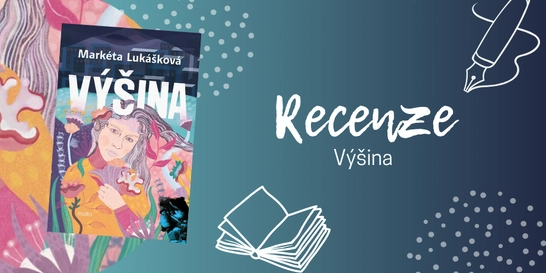
Pokud nevíte, zda sáhnout po „nové Lukáškové“, váš osobní...

Tahle kniha se ke mně původně dostala jen proto, abych ji předala někomu z...

Nestihli jste naše žhavé literární odpoledne na Masarykově nádraží, nebo...
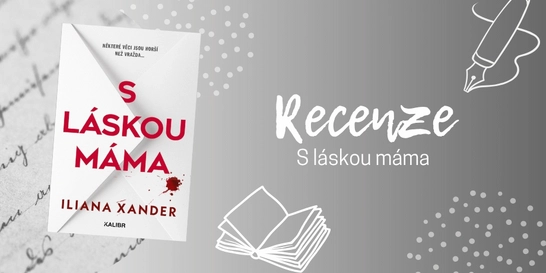
Po dočtení poslední knihy, která byla na můj vkus až příliš...
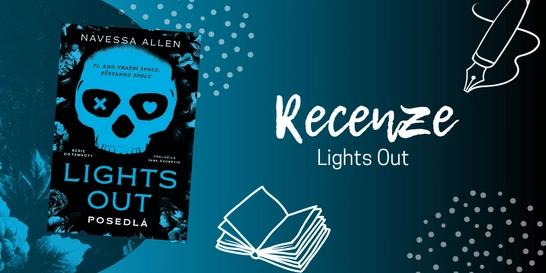
Už jste také někdy spadli do pasti algoritmu sociálních sítí? Znáte to....
Ne vždycky má člověk chuť vyrážet na nákup do obchodního centra. Někdy...
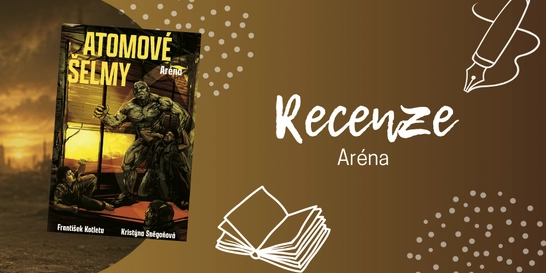
Pokud jste unavení ze všech těch varování, že světu hrozí atomová válka...
Nová temná romance od Tess M. Puffrové
Měl to být nový začátek. Místo toho ji čeká nebezpečně přitažlivý student, stalking a les plný tajemství, která se neměla dostat ven.

Mohlo by vás zajímat
Nová gotická dark romance
Mrtví živé učí. Anatomie hříchu v rukou nebezpečně přitažlivého patologa
Mohlo by vás zajímat
Nová temná romance od Tess M. Puffrové
Měl to být nový začátek. Místo toho ji čeká nebezpečně přitažlivý student, stalking a les plný tajemství, která se neměla dostat ven.
Mohlo by vás zajímat
Hola, amigo!
Seznamte se s Eliškou, Hugem a sovou Listillo – a objevte španělštinu s úsměvem.
Mohlo by vás zajímat
Ať víte, kdy je matika, keramika i posilovna
Rozvrhy, kroužky, poznámky i důležité termíny pěkně pohromadě. Praktický školní kalendář pomůže sladit povinnosti i volný čas bez zbytečného zmatku.
Mohlo by vás zajímat
UNO, tvrdší než kdy předtím
Nelítostné karty, brutální postihy, škodolibá radost a taktické bitvy!
Mohlo by vás zajímat
Mohlo by vás zajímat
Barevná zábava pro malé umělce
Ideální aktivita na klidné odpoledne, deštivý den nebo kreativní chvilku bez obrazovek.
Každý měsíc společně přečteme tisíce knih






Tento web je chráněn službou reCAPTCHA a platí pro něj Zásady ochrany soukromí a Smluvní podmínky. | © 2001–2026 DOBROVSKÝ s.r.o. Všechna práva vyhrazena.






 KnihyDobrovsky.cz
 knihydobrovsky
 @knihydobrovskycz
 @knihydobrovsky