

6 červencových novinek, které si přibalit na dovolenou
Slunce svítí, prázdniny jsou v plném proudu a spousta z nás si dopřává...



Kniha ( pevná vazba )


Global supply chains, long seen as engines of efficiency and economic integration, have been increasingly disrupted by recent crises, including the COVID-19 pandemic, armed conflicts, and shifts in trade and industrial policy. These developments have raised costs, increased uncertainty, and reduced the predictability of cross-border production… Přejít na celý popis

5.0 z 5 hvězdiček
Voucher
5.0 z 5 hvězdiček
Voucher
5.0 z 5 hvězdiček
Voucher
5.0 z 5 hvězdiček
Voucher
Global supply chains, long seen as engines of efficiency and economic integration, have been increasingly disrupted by recent crises, including the COVID-19 pandemic, armed conflicts, and shifts in trade and industrial policy. These developments have raised costs, increased uncertainty, and reduced the predictability of cross-border production and exchange. Firms operating in Central and Eastern Europe (CEE) face particularly strong pressures as overlapping geopolitical forces reshape production networks, market access, and strategic choices. This book examines how firms build and sustain supply chain resilience (SCRES) under persistent geopolitical uncertainty. It maps how research on SCRES has evolved and provides detailed empirical evidence on how firms in the CEE region respond to geopolitical risk. Focusing on practical adjustment mechanisms such as supplier diversification, nearshoring, inventory buffering, and route reconfiguration, this book analyses how firms adapt supply chains in environments shaped by sanctions, trade disputes, and regulatory fragmentation. Using qualitative case studies and causal modelling, the analysis shows that resilience does not result from isolated decisions or single best practices. Instead, it emerges from the interaction of multiple strategic choices made over time. By combining insights from dynamic capabilities, institutional economics, and systems thinking, this book conceptualises SCRES as an economic outcome shaped by firms’ responses to changing costs, governance constraints, and information conditions under geopolitical pressure. The book is intended for researchers and graduate students in supply chain management, economics, international business, and related fields, as well as for policymakers and practitioners concerned with geopolitical risk, industrial adjustment, and resilience in global production networks.
0.0 z 5 0 hodnocení čtenářů
0× 5 hvězdiček 0× 4 hvězdičky 0× 3 hvězdičky 0× 2 hvězdičky 0× 1 hvezdička
Získejte přehled o vývoji ceny za posledních 60 dní.
Slunce svítí, prázdniny jsou v plném proudu a spousta z nás si dopřává...

Pokud vám seriál Heated Rivalry (Spalující rivalita) nedal spát a zhlédli...
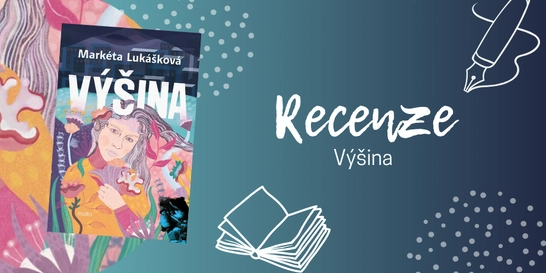
Pokud nevíte, zda sáhnout po „nové Lukáškové“, váš osobní...

Tahle kniha se ke mně původně dostala jen proto, abych ji předala někomu z...

Nestihli jste naše žhavé literární odpoledne na Masarykově nádraží, nebo...
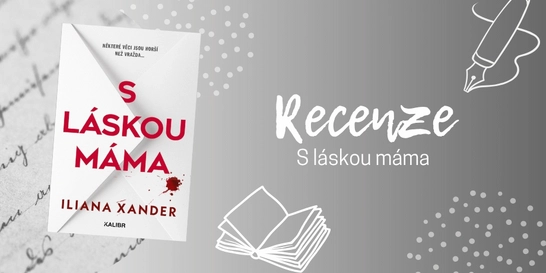
Po dočtení poslední knihy, která byla na můj vkus až příliš...

Už jste také někdy spadli do pasti algoritmu sociálních sítí? Znáte to....

Ne vždycky má člověk chuť vyrážet na nákup do obchodního centra. Někdy...

Pokud jste unavení ze všech těch varování, že světu hrozí atomová válka...
Král Nezemě si přichází pro další dívku a nic ho nezastaví
Temná verze Petra Pana plná nebezpečí, vášně a vztahů, které bolí i přitahují.

Mohlo by vás zajímat
Caraval vrcholí!
Tella, Scarlett i Legenda stojí před rozhodnutími, která změní jejich osudy. Ve hře je láska, moc i budoucnost celého království.
Mohlo by vás zajímat
Zběsilý postapo svět. Tvrdá pravidla.
Druhý díl, který přitvrzuje. Sněgoňová & Kotleta servírují Arénu, kde přežijí jen ti nejtvrdší. Ostatní skončí jako krmivo.
Mohlo by vás zajímat
Hola, amigo!
Seznamte se s Eliškou, Hugem a sovou Listillo – a objevte španělštinu s úsměvem.
Mohlo by vás zajímat
Ať víte, kdy je matika, keramika i posilovna
Rozvrhy, kroužky, poznámky i důležité termíny pěkně pohromadě. Praktický školní kalendář pomůže sladit povinnosti i volný čas bez zbytečného zmatku.
Mohlo by vás zajímat
Rychlejší než blesk!
Rozšiřte svou klasickou sadu o Speed Pack a dodejte vašemu UNO nový život.
Mohlo by vás zajímat
Mohlo by vás zajímat
Barevná zábava pro malé umělce
Ideální aktivita na klidné odpoledne, deštivý den nebo kreativní chvilku bez obrazovek.
Každý měsíc společně přečteme tisíce knih







Tento web je chráněn službou reCAPTCHA a platí pro něj Zásady ochrany soukromí a Smluvní podmínky. | © 2001–2026 DOBROVSKÝ s.r.o. Všechna práva vyhrazena.






 KnihyDobrovsky.cz
 knihydobrovsky
 @knihydobrovskycz
 @knihydobrovsky