

6 červencových novinek, které si přibalit na dovolenou
Slunce svítí, prázdniny jsou v plném proudu a spousta z nás si dopřává...



Kniha ( měkká vazba )


Grief is non-linear and destabilizing. It can unravel our sense of time and relation to the world. Poetic Grief follows these effects across poems written in the wake of National Socialism. Moving beyond established paradigms of trauma and representation, the book offers a formally grounded and affect-oriented approach to post-Holocaust poetry… Přejít na celý popis

5.0 z 5 hvězdiček
Voucher
5.0 z 5 hvězdiček
Voucher
5.0 z 5 hvězdiček
Voucher
5.0 z 5 hvězdiček
Voucher
Grief is non-linear and destabilizing. It can unravel our sense of time and relation to the world. Poetic Grief follows these effects across poems written in the wake of National Socialism. Moving beyond established paradigms of trauma and representation, the book offers a formally grounded and affect-oriented approach to post-Holocaust poetry that develops a new framework for understanding the relationship between reading poetry and the experience of grief. Bringing together phenomenologically informed close readings and historical-political analysis, Poetic Grief considers how poetry can affect embodied experiences through rhythm and breath, how its complex semantic patterns can collapse epistemic certainty and upend the flow of time—like grief does. New readings of poets familiar to the context of Holocaust remembrance such as Paul Celan, Dan Pagis, Charlotte Delbo, and Irena Klepfisz appear alongside analyses of poets remembering National Socialism at different historical moments, including May Ayim, Audre Lorde, Ghayath Almadhoun, and Max Czollek. In their poetry, reading becomes an act of participating in relations that the book’s respective chapters describe as "withness," "ongoingness," and "solidarities of grief"—modes of answering to and being with loss. In a world shaped both by decolonization and the aftermath of the Shoah, Poetic Grief offers a new vocabulary for poetic remembrance alongside reflections about the role of grief in cultures of memory: To confront the force of grief in poetry is to rethink its place in cultures of remembrance, to see where it has been repressed and instrumentalized, and to create openings that respond to what cannot be contained and conceptualized about loss. This book is a recipient of the Jordan Schnitzer First Book Publication Award, administered by the Association for Jewish Studies.
0.0 z 5 0 hodnocení čtenářů
0× 5 hvězdiček 0× 4 hvězdičky 0× 3 hvězdičky 0× 2 hvězdičky 0× 1 hvezdička
Získejte přehled o vývoji ceny za posledních 60 dní.
Slunce svítí, prázdniny jsou v plném proudu a spousta z nás si dopřává...

Pokud vám seriál Heated Rivalry (Spalující rivalita) nedal spát a zhlédli...
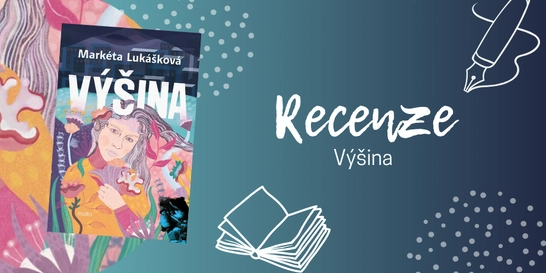
Pokud nevíte, zda sáhnout po „nové Lukáškové“, váš osobní...

Tahle kniha se ke mně původně dostala jen proto, abych ji předala někomu z...

Nestihli jste naše žhavé literární odpoledne na Masarykově nádraží, nebo...
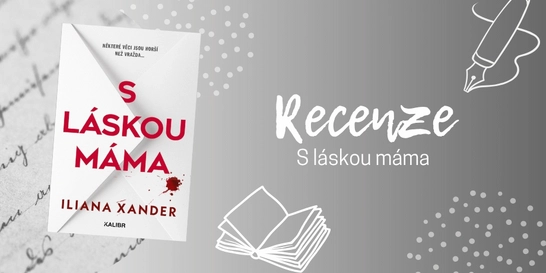
Po dočtení poslední knihy, která byla na můj vkus až příliš...
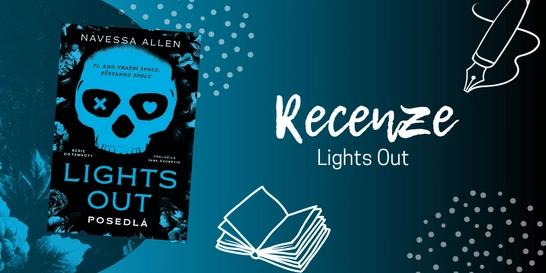
Už jste také někdy spadli do pasti algoritmu sociálních sítí? Znáte to....
Ne vždycky má člověk chuť vyrážet na nákup do obchodního centra. Někdy...
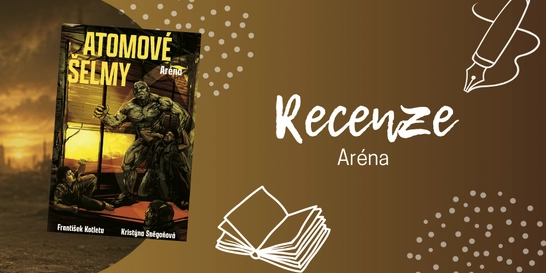
Pokud jste unavení ze všech těch varování, že světu hrozí atomová válka...
Kariérní životní šance nebo životní láska?
Alice dostane šanci napsat životopis slavné dědičky. O stejnou zakázku ale usiluje i nepříjemně přitažlivý držitel Pulitzerovy ceny Hayden Anderson…

Mohlo by vás zajímat
Nový román Viktorie Hanišové
Když se její otec upálí před Poslaneckou sněmovnou, začne Lada hledat důvody jeho činu.
Mohlo by vás zajímat
Zběsilá postapo jízda pokračuje
Hřbitov není místo pro slabé povahy ani pro romantické procházky za soumraku. Postapo nářez plný mutací, šílenství a bohů, kteří možná nikdy neměli být probuzeni.
Mohlo by vás zajímat
Matika, co počítá s budoucností.
Učebnice, která propojuje čísla, logiku i technologie. Protože i vzorce jdou s dobou.
Mohlo by vás zajímat
Modrá klasika do každé aktovky
Žádné zbytečné kouzlení, jen poctivý sešit pro každodenní psaní.
Mohlo by vás zajímat
UNO, tvrdší než kdy předtím
Nelítostné karty, brutální postihy, škodolibá radost a taktické bitvy!
Mohlo by vás zajímat
Královna oslavy!
Cleo září ve zlatém outfitu a přináší monstrózní narozeninovou radost. Přidejte ji do své sbírky Monster High a rozjeďte párty!
Mohlo by vás zajímat
Malý kousek galerie na knížky, drobnosti i menší nákup
Plátěná taška Paperblanks Natsu díky pevné bavlněné látce unese až 7 kg.
Každý měsíc společně přečteme tisíce knih







Tento web je chráněn službou reCAPTCHA a platí pro něj Zásady ochrany soukromí a Smluvní podmínky. | © 2001–2026 DOBROVSKÝ s.r.o. Všechna práva vyhrazena.






 KnihyDobrovsky.cz
 knihydobrovsky
 @knihydobrovskycz
 @knihydobrovsky