

6 červencových novinek, které si přibalit na dovolenou
Slunce svítí, prázdniny jsou v plném proudu a spousta z nás si dopřává...



Kniha ( měkká vazba )
4 785 Kč s DPH
Jsme transparentní


The purpose of this research was to evaluate and compare various thermophilic anaerobic digestion processes for meeting U.S. EPA biosolids Class A pathogen standards. The project was split into three phases. Phase 1 screened three bench-scale thermophilic anaerobic process configurations at three different thermophilic temperatures based on… Přejít na celý popis

5.0 z 5 hvězdiček
Voucher
5.0 z 5 hvězdiček
Voucher
5.0 z 5 hvězdiček
Voucher
5.0 z 5 hvězdiček
Voucher
The purpose of this research was to evaluate and compare various thermophilic anaerobic digestion processes for meeting U.S. EPA biosolids Class A pathogen standards. The project was split into three phases. Phase 1 screened three bench-scale thermophilic anaerobic process configurations at three different thermophilic temperatures based on their fecal coliform destruction efficiency. All three of the thermophilic process configurations tested were capable of achieving the Class A fecal coliform standard and were included in Phase 2. In Phase 2, bench-scale anaerobic digesters were fed primary sludge seeded with E.coli, helminth ova, poliovirus, and Salmonella to evaluate pathogen destruction. Two process configurations, the thermophilic single-stage and the two-stage mesophilic acid-phase/thermophilic methane-phase system, met Class A requirements at 50oC. In Phase 3, the single-stage thermophilic anaerobic digestion process was compared to the single-stage mesophilic process at full scale (1.5-MG digesters) based on fecal coliform and pathogen destruction, process performance, digested sludge dewaterability, and odor generation. Pathogen destruction and process performance comparisons of the various process configurations are presented for each phase of the study. Based on the fecal coliform data presented here, an empirical model was developed for quantitatively comparing multiple stage and single-stage thermophilic anaerobic digester performance. The model demonstrates that various combinations of thermophilic temperatures, staging, and residence times can achieve the Class A fecal coliform requirement. This study also suggests that anaerobic digesters operating in the lower thermophilic temperature range (approximately 50?C) are not only capable of achieving Class A requirements but may also produce digested sludges with less odor and lower volatile solids than digesters operating at higher thermophilic temperatures.
0.0 z 5 0 hodnocení čtenářů
0× 5 hvězdiček 0× 4 hvězdičky 0× 3 hvězdičky 0× 2 hvězdičky 0× 1 hvezdička
Získejte přehled o vývoji ceny za posledních 60 dní.
Slunce svítí, prázdniny jsou v plném proudu a spousta z nás si dopřává...

Pokud vám seriál Heated Rivalry (Spalující rivalita) nedal spát a zhlédli...

Pokud nevíte, zda sáhnout po „nové Lukáškové“, váš osobní...

Tahle kniha se ke mně původně dostala jen proto, abych ji předala někomu z...

Nestihli jste naše žhavé literární odpoledne na Masarykově nádraží, nebo...

Po dočtení poslední knihy, která byla na můj vkus až příliš...
Už jste také někdy spadli do pasti algoritmu sociálních sítí? Znáte to....

Ne vždycky má člověk chuť vyrážet na nákup do obchodního centra. Někdy...

Pokud jste unavení ze všech těch varování, že světu hrozí atomová válka...
4 785 Kč s DPH
Jsme transparentní
Toužil po klidu, ale čeká ho pořádný cirkus
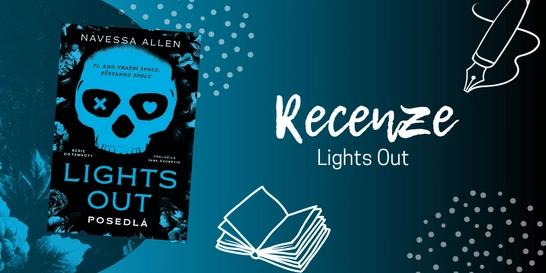
Co se stane, když vražedná cirkusačka skončí v péči pohledného chirurga Fionna Kanea. Vyléčí kromě její zlomené nohy i své zlomené srdce?

Mohlo by vás zajímat
Nová gotická dark romance
Mrtví živé učí. Anatomie hříchu v rukou nebezpečně přitažlivého patologa
Mohlo by vás zajímat
Zběsilý postapo svět. Tvrdá pravidla.
Druhý díl, který přitvrzuje. Sněgoňová & Kotleta servírují Arénu, kde přežijí jen ti nejtvrdší. Ostatní skončí jako krmivo.
Mohlo by vás zajímat
Hola, amigo!
Seznamte se s Eliškou, Hugem a sovou Listillo – a objevte španělštinu s úsměvem.
Mohlo by vás zajímat
Modrá klasika do každé aktovky
Žádné zbytečné kouzlení, jen poctivý sešit pro každodenní psaní.
Mohlo by vás zajímat
Rychlejší než blesk!
Rozšiřte svou klasickou sadu o Speed Pack a dodejte vašemu UNO nový život.
Mohlo by vás zajímat
Mohlo by vás zajímat
Kapitola u bazénu? Klidně.
Vodotěsné provedení vám dovolí číst u vody, na pláži i ve vaně bez zbytečných obav.
Každý měsíc společně přečteme tisíce knih







Tento web je chráněn službou reCAPTCHA a platí pro něj Zásady ochrany soukromí a Smluvní podmínky. | © 2001–2026 DOBROVSKÝ s.r.o. Všechna práva vyhrazena.






 KnihyDobrovsky.cz
 knihydobrovsky
 @knihydobrovskycz
 @knihydobrovsky