
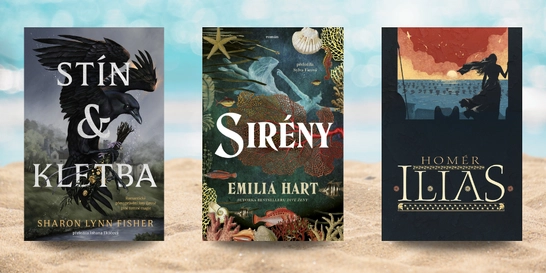
6 červencových novinek, které si přibalit na dovolenou
Slunce svítí, prázdniny jsou v plném proudu a spousta z nás si dopřává...



Kniha ( pevná vazba )
1 056 Kč s DPH
Jsme transparentní


In one of World War II’s most unexpected naval strikes, Winston Churchill ordered the Royal Navy to open fire on the French fleet, killing over 1,200 of Britain’s recent allies. This account dives into the drama, diplomacy, and fallout of a decision that stunned the world and defined Churchill’s wartime resolve.The Associated Press called the… Přejít na celý popis

5.0 z 5 hvězdiček
Voucher
5.0 z 5 hvězdiček
Voucher
5.0 z 5 hvězdiček
Voucher
5.0 z 5 hvězdiček
Voucher
In one of World War II’s most unexpected naval strikes, Winston Churchill ordered the Royal Navy to open fire on the French fleet, killing over 1,200 of Britain’s recent allies. This account dives into the drama, diplomacy, and fallout of a decision that stunned the world and defined Churchill’s wartime resolve.
The Associated Press called the Royal Navy’s July 1940 attack on the French fleet "the strangest of all naval actions in the world’s history." The bombardment at Mers-el-Kébir, a small Algerian port, shocked the world and claimed the lives of 1,257 French seamen. Prime Minister Winston Churchill’s speech to Parliament recounting the operation resonated “like no other ever heard in its ancient halls.”
The stakes were dire. France had signed an armistice with Germany just weeks earlier, and Churchill feared Hitler would seize the French fleet and turn it against Britain. The British demanded that France move its warships to Allied ports. When France didn’t comply, Churchill ordered the Royal Navy to neutralize the threat.
The fallout extended beyond Mers-el-Kébir. In Alexandria, Egypt, British and French admirals negotiated a fragile truce to avoid further bloodshed. But trust between the two navies was shattered.
The attack weighed heavily on the Royal Navy. Most officers resented being ordered to fire on former comrades—men they had served alongside only weeks earlier. Even Churchill, who adored France, found the decision agonizing.
This dramatic story unfolds through a compelling cast of statesmen and commanders. French admiral Jean Louis Xavier François Darlan, of whom Churchill once said, "If Darlan had chosen to fight in June 1940 he would have been a de Gaulle raised to the tenth power," played a pivotal role. So did Vice Admiral Sir James Somerville, who overcame illness to lead key operations at Dunkirk and Mers-el-Kébir. Their choices under pressure shaped the course of the war—and defined their legacies.
Churchill’s decision to strike a recent ally remains one of the most controversial of his wartime leadership.
0.0 z 5 0 hodnocení čtenářů
0× 5 hvězdiček 0× 4 hvězdičky 0× 3 hvězdičky 0× 2 hvězdičky 0× 1 hvezdička
Získejte přehled o vývoji ceny za posledních 60 dní.
Slunce svítí, prázdniny jsou v plném proudu a spousta z nás si dopřává...

Pokud vám seriál Heated Rivalry (Spalující rivalita) nedal spát a zhlédli...
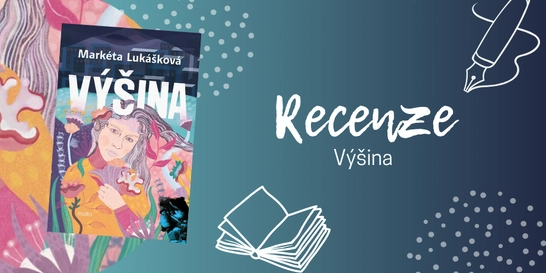
Pokud nevíte, zda sáhnout po „nové Lukáškové“, váš osobní...

Tahle kniha se ke mně původně dostala jen proto, abych ji předala někomu z...

Nestihli jste naše žhavé literární odpoledne na Masarykově nádraží, nebo...
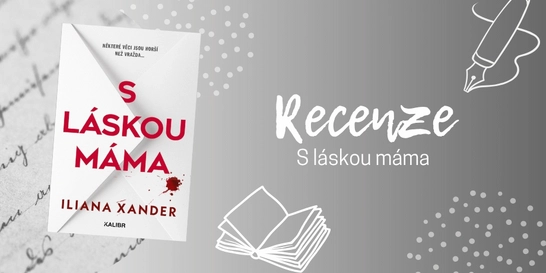
Po dočtení poslední knihy, která byla na můj vkus až příliš...
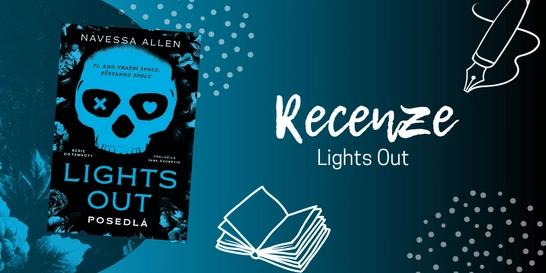
Už jste také někdy spadli do pasti algoritmu sociálních sítí? Znáte to....

Ne vždycky má člověk chuť vyrážet na nákup do obchodního centra. Někdy...
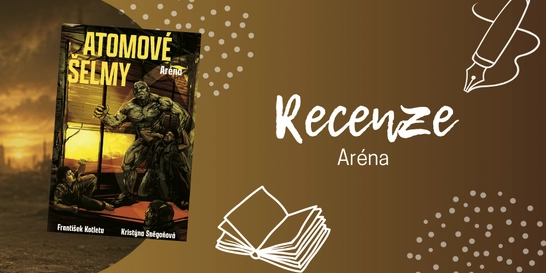
Pokud jste unavení ze všech těch varování, že světu hrozí atomová válka...
1 056 Kč s DPH
Jsme transparentní
První detektivka od královny české fantastiky
Příběh, jaký by napsala Agatha Christie, kdyby chtěla, aby byl její hrdina Čech s krizí středního věku.

Mohlo by vás zajímat
Caraval vrcholí!
Tella, Scarlett i Legenda stojí před rozhodnutími, která změní jejich osudy. Ve hře je láska, moc i budoucnost celého království.
Mohlo by vás zajímat
Zběsilý postapo svět. Tvrdá pravidla.
Druhý díl, který přitvrzuje. Sněgoňová & Kotleta servírují Arénu, kde přežijí jen ti nejtvrdší. Ostatní skončí jako krmivo.
Mohlo by vás zajímat
Matika, co počítá s budoucností.
Učebnice, která propojuje čísla, logiku i technologie. Protože i vzorce jdou s dobou.
Mohlo by vás zajímat
Modrá klasika do každé aktovky
Žádné zbytečné kouzlení, jen poctivý sešit pro každodenní psaní.
Mohlo by vás zajímat
Rychlejší než blesk!
Rozšiřte svou klasickou sadu o Speed Pack a dodejte vašemu UNO nový život.
Mohlo by vás zajímat
Mohlo by vás zajímat
Barevná zábava pro malé umělce
Ideální aktivita na klidné odpoledne, deštivý den nebo kreativní chvilku bez obrazovek.
Každý měsíc společně přečteme tisíce knih






Tento web je chráněn službou reCAPTCHA a platí pro něj Zásady ochrany soukromí a Smluvní podmínky. | © 2001–2026 DOBROVSKÝ s.r.o. Všechna práva vyhrazena.






 KnihyDobrovsky.cz
 knihydobrovsky
 @knihydobrovskycz
 @knihydobrovsky