
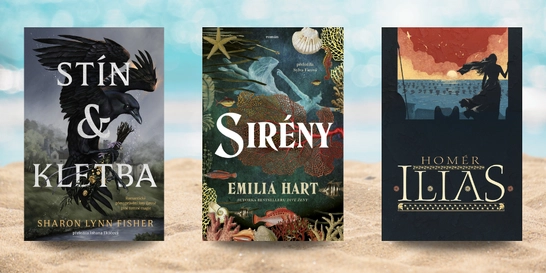
6 červencových novinek, které si přibalit na dovolenou
Slunce svítí, prázdniny jsou v plném proudu a spousta z nás si dopřává...



Kniha ( měkká vazba )


On Emerging from Hyper-Nation represents Ronald W. Sousa’s attempt to answer the question, “Why do I smile on reading one of Saramago’s ‘historical’ novels?†Why that reaction of emotional release? To answer the “smile question†the book engages in a critical mode that could be described as “discourse analysis.†It combines… Přejít na celý popis

5.0 z 5 hvězdiček
Voucher
5.0 z 5 hvězdiček
Voucher
5.0 z 5 hvězdiček
Voucher
5.0 z 5 hvězdiček
Voucher
On Emerging from Hyper-Nation represents Ronald W. Sousa’s attempt to answer the question, “Why do I smile on reading one of Saramago’s ‘historical’ novels?†Why that reaction of emotional release? To answer the “smile question†the book engages in a critical mode that could be described as “discourse analysis.†It combines several critical strains and relies on basic concepts from Freudian and Lacanian psychoanalysis, Adlerian psychology, and contemporary cognitive psychology for their discourse-analytical value rather than as entrées into psychoanalytical reading per se. The introductory chapter presents some of the concepts that underlie that compound analytical modality and sets out an overview of twentieth-century Portuguese social and economic history. Then, with an eye to answering the “smile question,†the book reads Nobel Laureate José Saramago’s three novels, Baltasar and Blimunda (1982), The Year of the Death of Ricardo Reis (1984), and The History of the Siege of Lisbon (1989). Or, better, it seeks to read Sousa’s own reading of the three works, since focus falls on how each novel seeks to construct both its own reading and also Sousa as its reader. The discussion brings to light a number of textual phenomena that bear upon the “smile question.†Among them are that the novels invoke, often subtly, the fascist hermeneutical heritage remaining from before the revolution of 1974 as a constituent part of their communication with the reader; that they summon up historical trauma; that they function as Freudian-style “tendentious jokesâ€; and that, through these various invocations, they seek to constitute a postrevolutionary Portuguese subject. The reading of Sousa’s reading, then, ends up being a reading of some of the cultural forces at work in postrevolutionary Portugal.
0.0 z 5 0 hodnocení čtenářů
0× 5 hvězdiček 0× 4 hvězdičky 0× 3 hvězdičky 0× 2 hvězdičky 0× 1 hvezdička
Získejte přehled o vývoji ceny za posledních 60 dní.
Slunce svítí, prázdniny jsou v plném proudu a spousta z nás si dopřává...

Pokud vám seriál Heated Rivalry (Spalující rivalita) nedal spát a zhlédli...
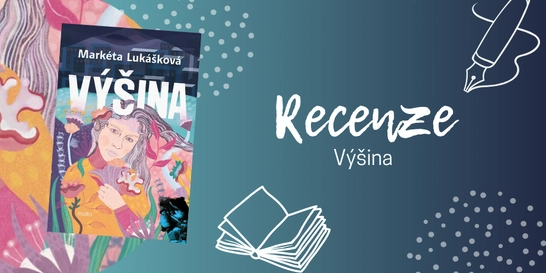
Pokud nevíte, zda sáhnout po „nové Lukáškové“, váš osobní...

Tahle kniha se ke mně původně dostala jen proto, abych ji předala někomu z...
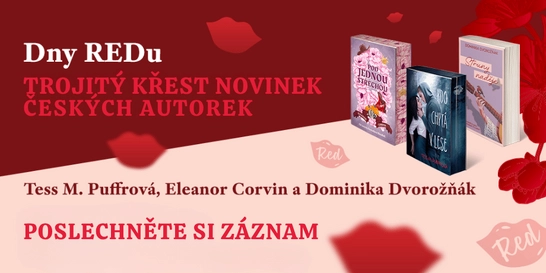
Nestihli jste naše žhavé literární odpoledne na Masarykově nádraží, nebo...
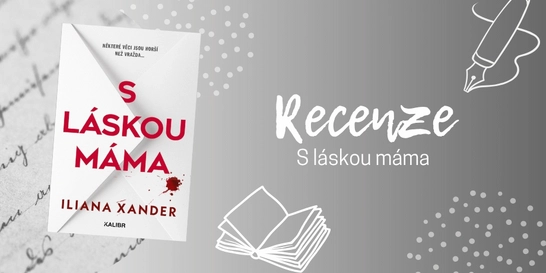
Po dočtení poslední knihy, která byla na můj vkus až příliš...
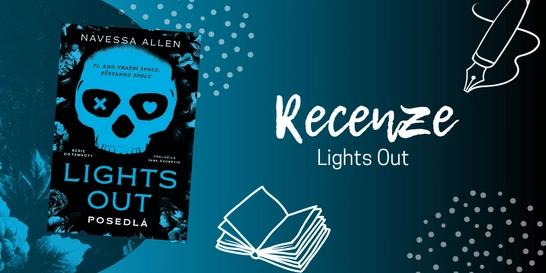
Už jste také někdy spadli do pasti algoritmu sociálních sítí? Znáte to....
Ne vždycky má člověk chuť vyrážet na nákup do obchodního centra. Někdy...
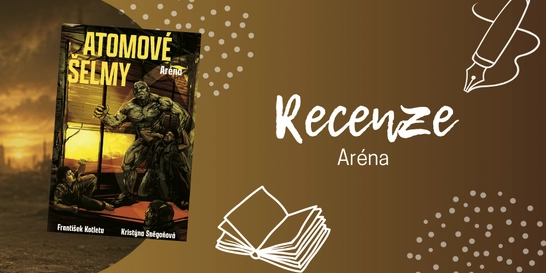
Pokud jste unavení ze všech těch varování, že světu hrozí atomová válka...
Caraval vrcholí!
Tella, Scarlett i Legenda stojí před rozhodnutími, která změní jejich osudy. Ve hře je láska, moc i budoucnost celého království.

Mohlo by vás zajímat
Caraval vrcholí!
Tella, Scarlett i Legenda stojí před rozhodnutími, která změní jejich osudy. Ve hře je láska, moc i budoucnost celého království.
Mohlo by vás zajímat
Zběsilý postapo svět. Tvrdá pravidla.
Druhý díl, který přitvrzuje. Sněgoňová & Kotleta servírují Arénu, kde přežijí jen ti nejtvrdší. Ostatní skončí jako krmivo.
Mohlo by vás zajímat
Matika, co počítá s budoucností.
Učebnice, která propojuje čísla, logiku i technologie. Protože i vzorce jdou s dobou.
Mohlo by vás zajímat
Modrá klasika do každé aktovky
Žádné zbytečné kouzlení, jen poctivý sešit pro každodenní psaní.
Mohlo by vás zajímat
UNO, tvrdší než kdy předtím
Nelítostné karty, brutální postihy, škodolibá radost a taktické bitvy!
Mohlo by vás zajímat
Královna oslavy!
Cleo září ve zlatém outfitu a přináší monstrózní narozeninovou radost. Přidejte ji do své sbírky Monster High a rozjeďte párty!
Mohlo by vás zajímat
Barevná zábava pro malé umělce
Ideální aktivita na klidné odpoledne, deštivý den nebo kreativní chvilku bez obrazovek.
Každý měsíc společně přečteme tisíce knih







Tento web je chráněn službou reCAPTCHA a platí pro něj Zásady ochrany soukromí a Smluvní podmínky. | © 2001–2026 DOBROVSKÝ s.r.o. Všechna práva vyhrazena.






 KnihyDobrovsky.cz
 knihydobrovsky
 @knihydobrovskycz
 @knihydobrovsky